
Latest posts
-
Humidity and Asthma: How Indoor Moisture Affects Breathing Comfort and Airway Sensitivity

Bottom line up front: The 40–60% relative humidity range isn’t just a comfort target — for people with asthma, drifting outside that window in either direction actively triggers…
-
Can Indoor Humidity Cause Headaches? Why Stuffy Air and Moisture Levels Affect Head Comfort

Bottom line up front: Yes, indoor humidity can cause headaches — but not always in the way you’d expect. It’s not just “too humid = headache.” Both extremes…
-
Humidity and Sleep Quality: How Indoor Moisture Affects Nighttime Rest

Bottom line: The ideal bedroom humidity for sleep sits between 40% and 60% relative humidity — but most people chasing better sleep never check their hygrometer. They buy…
-
Humidity and Respiratory Comfort: How Indoor Moisture Affects Breathing Indoors

Here’s something most humidity guides get backwards: the danger zone isn’t just high humidity — low humidity quietly does just as much damage to your airways, and most…
-
Humidity and Allergies: How Indoor Moisture Affects Symptoms and Comfort

Bottom line up front: Humidity doesn’t just make your home feel stuffy — it actively drives the biological triggers behind allergy symptoms. Too high and you’re farming dust…
-
Is Mold Dangerous for Children? Health Risks, Sensitivity, and Indoor Air Quality

Yes, mold is dangerous for children — and the gap between “a little mold” and “a serious health problem” is much smaller for kids than most parents realize.…
-
Is High Indoor Humidity Bad for Your Health? Effects on Sleep, Breathing, and Daily Comfort

Bottom line up front: Yes, high indoor humidity is bad for your health — but not always in the way you’d expect. Most people assume it’s just about…
-
How to Tell If a Wall Is Damp

Damp walls fail silently — and by the time paint peels or plaster crumbles, moisture has usually been sitting inside that wall for months. Knowing how to tell…
-
Bubbles Under Paint from Humidity: Causes, Warning Signs, and How to Stop Paint Blistering Indoors

Bubbles under paint are a frustrating indoor wall problem that often appears without warning. The paint surface develops raised, swollen areas that feel soft or hollow when pressed,…
-
Why Paint Peels from Walls: How Moisture, Condensation, and Dampness Cause Flaking Indoors
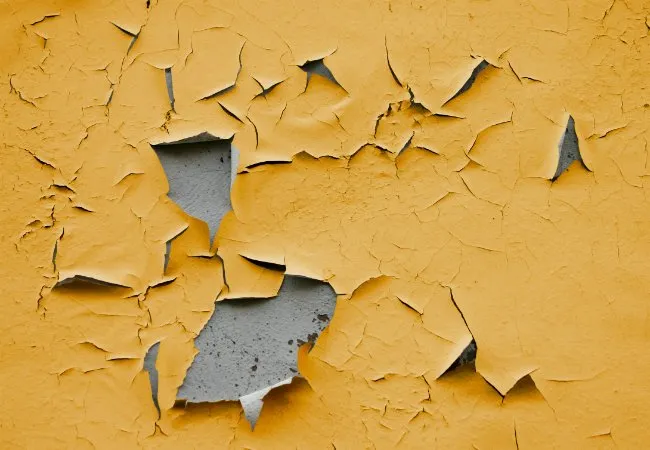
Peeling paint is one of the clearest signs that moisture is affecting an indoor wall. Paint may lift at the edges, crack in thin lines, or flake away…