
Latest posts
-
Manufactured Home Moisture: What HUD Standards Actually Require
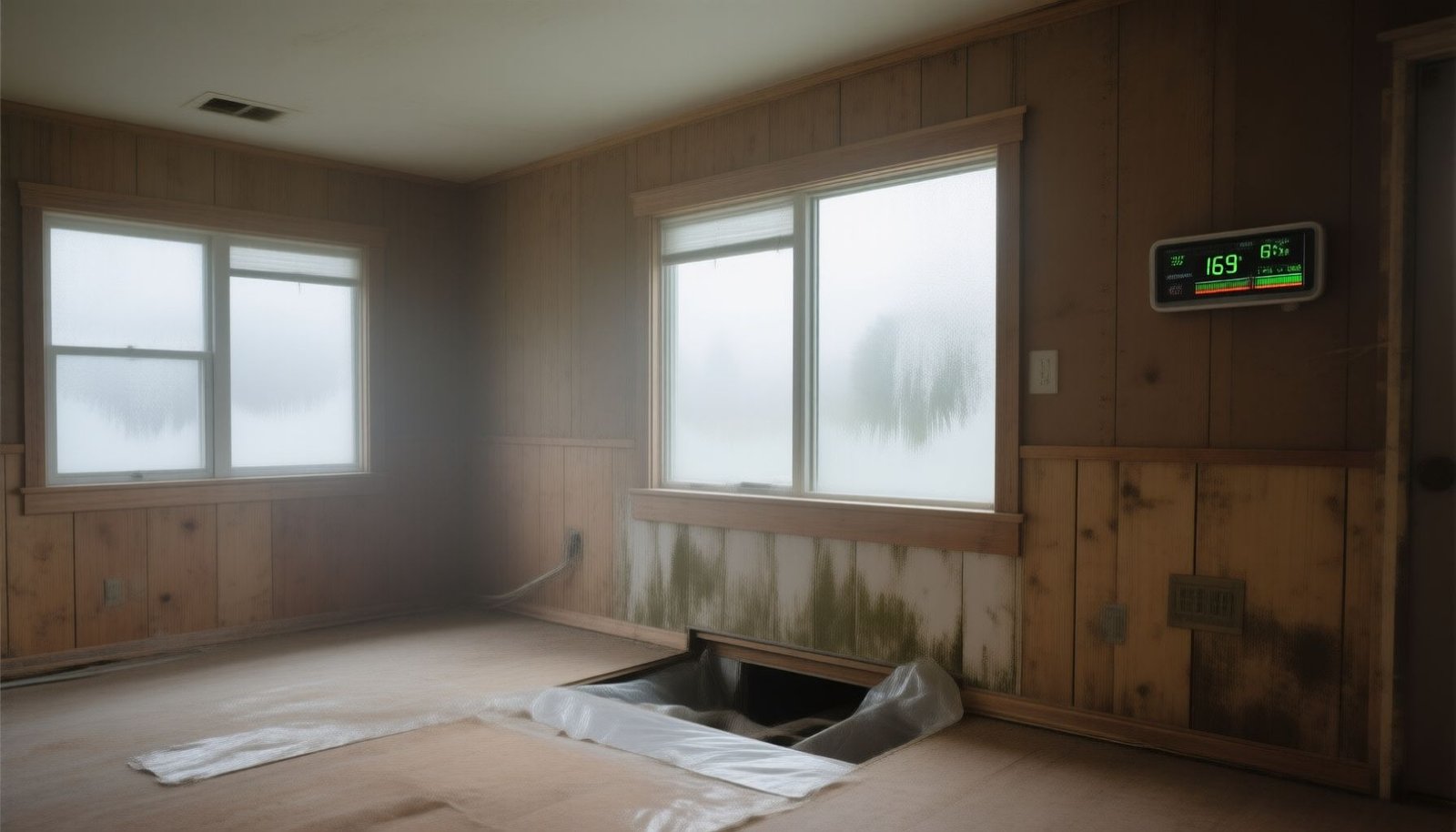
HUD’s manufactured home moisture standards exist — they’re just not doing what most homeowners think they’re doing. The standard most people reference (HUD Code, 24 CFR Part 3280)…
-
Plaster vs Drywall: Which Handles Humidity Better in an Old Home Renovation?

Old plaster doesn’t fail at humidity — drywall does. That’s the short answer, and it matters enormously if you’re renovating a pre-1950s home and deciding what to do…
-
Why Storm Windows Are Safer Than Full Window Replacement for Old-House Condensation

Replacing the windows in an old house to stop condensation is one of those fixes that sounds logical until you understand what actually causes the condensation in the…
-
The Vapor Barrier Renovation Dilemma: When Adding One to an Old Home Backfires

A vapor barrier installed in an old home can create more moisture damage than the home ever had without one. That’s not a warning buried in fine print…
-
Why Insulating an Old House Can Cause Mold That Wasn’t There Before

Adding insulation to an old house doesn’t cause mold — stopping the house from breathing does. That’s the distinction almost every guide on this topic buries in paragraph…
-
Why Mobile Home Walls Feel Damp Even With the AC Running

Your AC is running, the vents are blowing cold air, and yet the walls still feel like the inside of a cooler left in the sun. That clammy,…
-
Best Dehumidifiers for Mobile Homes and Manufactured Housing

Sixty percent of mobile home owners who buy a dehumidifier buy the wrong one — not the wrong brand, but the wrong type entirely. The machines designed for…
-
How to Ventilate a Mobile Home to Stop Trapped Humidity
Replacing the roof vents won’t fix trapped humidity in a mobile home — and neither will running a dehumidifier 24/7. The real problem is that most mobile homes…
-
Why Manufactured Home Ductwork Sweats and Causes Hidden Mold
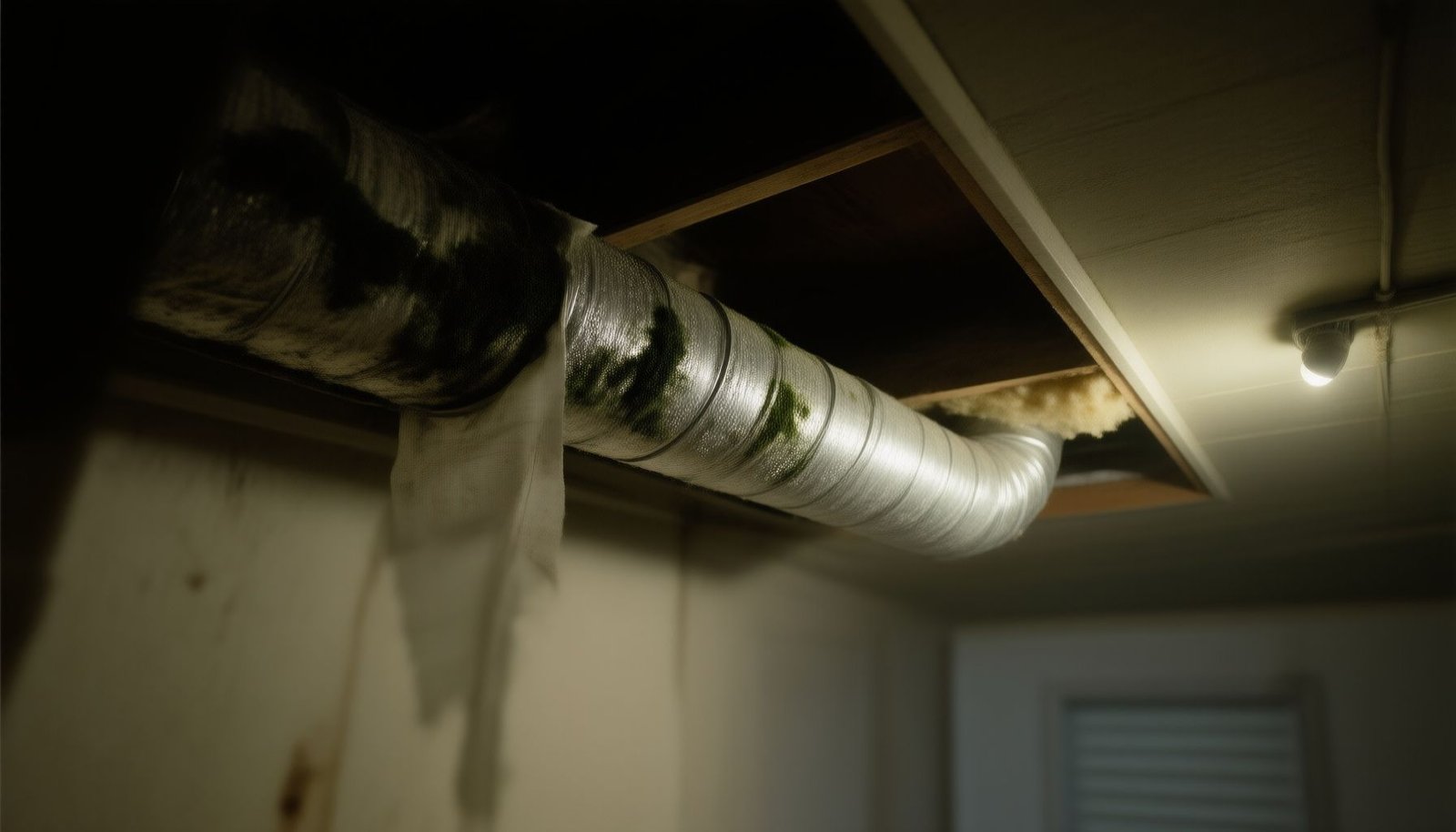
Ductwork condensation in manufactured homes isn’t a ventilation problem — it’s a physics problem disguised as one. Most guides tell you to “add vents” or “improve airflow under…
-
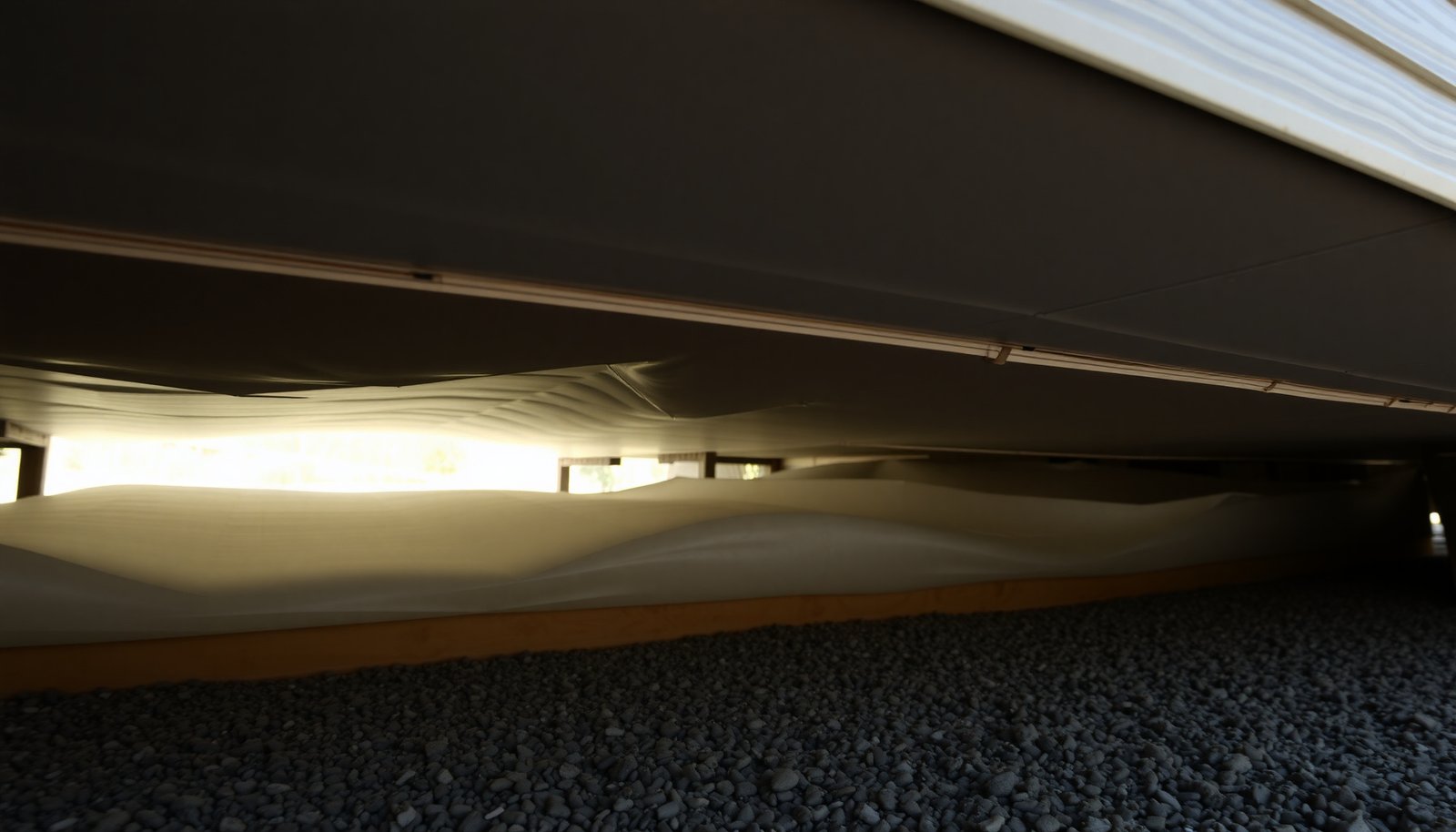
Where Should the Vapor Barrier Go in a Manufactured Home? It Depends on Your Climate
The vapor barrier goes on the warm side of the insulation — but “warm side” flips completely depending on where you live. That one sentence explains why so…


