
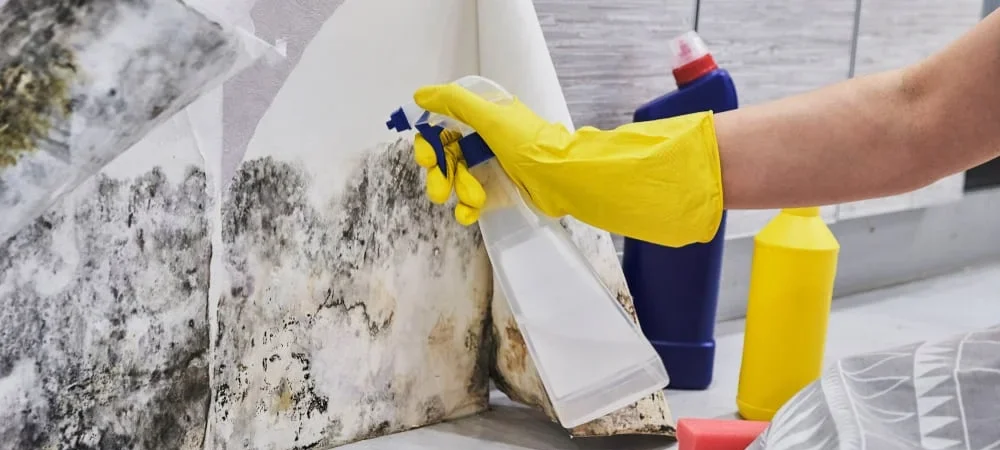
One of the most frustrating indoor problems is mold that keeps returning. You clean it, the surface looks fine, and for a while everything seems normal. Then weeks or months later, the same spots reappear—sometimes in exactly the same place, sometimes nearby.
This happens in many apartments, even when there are no visible leaks and cleaning is done regularly. The reason is simple but often misunderstood: mold comes back when the conditions that allow it to grow never truly change.
This article explains why mold keeps coming back indoors, which hidden factors support regrowth, and why surface cleaning alone rarely solves the problem in the long term.
Mold Regrowth Is a Condition Problem, Not a Cleaning Problem
A common misconception is that recurring mold means it was not cleaned properly. In reality, cleaning usually removes visible mold growth, but it does not remove the conditions that allowed mold to grow.
Mold regrowth usually means:
- Moisture is still present
- Surfaces are still staying damp
- Airflow remains limited
- Temperature differences persist
As long as these conditions exist, mold spores already present in indoor air can grow again.
Mold Spores Are Always Present Indoors
Mold spores exist everywhere—indoors and outdoors. They enter apartments through:
- Open windows
- Ventilation systems
- Doors and shared spaces
Because spores are always present, removing visible mold does not “eliminate mold” from an apartment. It only removes one stage of growth. If moisture conditions remain favorable, spores will settle and grow again.
This explains why mold can return even after thorough cleaning.
Persistent Moisture Is the Main Reason Mold Comes Back
The most common reason mold keeps returning is ongoing moisture, even at low levels.
This moisture may come from:
- High indoor humidity
- Repeated condensation on the same surfaces
- Damp air trapped behind furniture
- Moisture absorbed into walls or materials
Often, this moisture is subtle and not obvious, which makes the cause harder to identify.
High Indoor Humidity and Reappearing Mold
Consistently elevated indoor humidity creates a constant moisture source for mold.
When humidity stays high:
- Surfaces absorb moisture from the air
- Damp areas dry slowly
- Mold-friendly conditions persist even after cleaning
This is why mold often comes back in apartments with no visible water damage. The moisture source is in the air, not in a leak.
Condensation That Keeps Returning
Condensation is another major reason mold reappears in the same locations.
Condensation commonly forms on:
- Windows
- Exterior walls
- Corners of rooms
- Ceilings
Even if condensation dries during the day, repeated cycles of moisture are enough to support mold regrowth over time. Cleaning removes mold, but condensation keeps recreating damp conditions.
Poor Ventilation Allows Mold to Return
Ventilation controls how moisture moves and evaporates indoors.
When ventilation is weak:
- Moist air remains trapped
- Damp surfaces dry slowly
- Humidity concentrates in enclosed areas
Bathrooms, bedrooms, closets, and storage spaces are especially vulnerable. Mold often returns in these areas because airflow never fully reaches them.
Mold Behind Furniture and in Hidden Areas
Mold Behind Furniture – mold often keeps coming back because it never truly left hidden areas.
Common hidden locations include:
- Behind wardrobes, beds, or sofas
- Inside closets
- Along exterior walls
- Under carpets or rugs
When furniture blocks airflow, moisture remains trapped. Mold may be cleaned from visible surfaces but continue growing out of sight, eventually spreading back into view.
Cleaning Removes Mold, Not Moisture
One of the key reasons mold returns is that cleaning does not remove moisture.
Cleaning:
- Removes visible growth
- Improves appearance
- Temporarily reduces spores on surfaces
Cleaning does not:
- Dry damp walls
- Change indoor humidity
- Improve airflow
- Warm cold surfaces
As a result, mold regrowth often feels inevitable when underlying conditions remain unchanged.
Seasonal Mold Regrowth
Mold returning seasonally is very common in apartments.
Winter
- Cold exterior walls attract moisture
- Condensation increases
- Furniture blocks limited airflow
Summer
- Warm, humid outdoor air enters apartments
- Cooling lowers temperature but not moisture
- Hidden damp areas persist
Seasonal mold often appears in the same places each year, which is a strong sign that conditions—not cleaning—are responsible.
Why Mold Often Returns in the Same Spots
Mold usually comes back in the same locations because:
- Surface temperatures remain low
- Moisture accumulates repeatedly
- Airflow is consistently poor
Corners, window areas, ceilings, and walls behind furniture are especially prone to repeat growth.
This pattern is one of the clearest indicators of a condition-based mold problem.
Mold That Returns Without a Leak
Many people look for leaks when mold returns, but in many apartments there is no leak at all.
Mold can return due to:
- Humidity imbalance
- Condensation cycles
- Insulation-related cold surfaces
- Trapped indoor moisture
This is why mold can persist even in dry-looking apartments.
Why Mold May Seem “Impossible” to Get Rid Of
Mold often feels impossible to eliminate because:
- It grows slowly and quietly
- It hides in hard-to-see areas
- Cleaning gives a false sense of resolution
- Conditions rarely change overnight
Without understanding the environmental causes, mold regrowth can feel confusing and discouraging.
How Recurring Mold Develops Over Time
Mold regrowth usually follows a predictable cycle:
- Moisture builds up
- Mold appears
- Mold is cleaned
- Moisture remains
- Mold returns
Breaking this cycle requires addressing moisture and airflow—not just surface growth.
Mold keeps coming back because the conditions that allow it to grow remain present. Moisture from humidity, condensation, and limited ventilation often persists even after visible mold is removed. Since mold spores are always present indoors, regrowth is likely whenever surfaces stay damp or airflow is restricted.
Understanding why mold returns shifts the focus from repeated cleaning to recognizing patterns—such as recurring condensation, damp areas, or mold appearing in the same locations. When mold is viewed as a symptom of indoor conditions rather than a standalone problem, its repeated return becomes easier to explain.
Frequently Asked Questions
Why does mold come back after cleaning?
Because cleaning removes mold but does not remove moisture or humidity.
Can mold keep returning without leaks?
Yes. High humidity and condensation are common causes.
Why does mold return in the same spots?
Those areas likely stay damp or poorly ventilated.
Does cleaning prevent mold from coming back?
Cleaning helps temporarily but does not change indoor conditions.
Is recurring mold common in apartments?
Yes. Apartments often have limited airflow and temperature differences that support regrowth.