
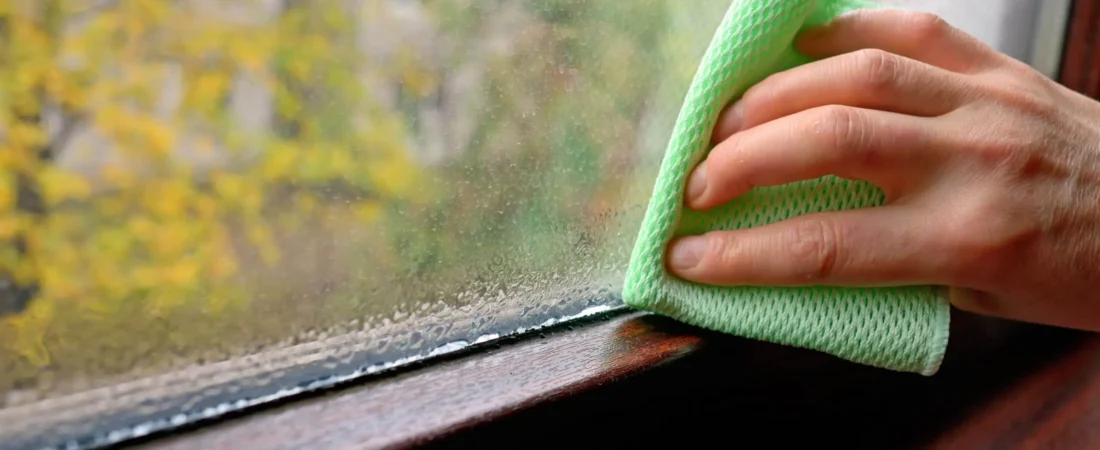
Indoor humidity is high when moisture is produced faster than it can leave the apartment. In most cases, this happens because of daily activities, limited ventilation, building design, and weather conditions.
High indoor humidity is very common in apartments. It does not always mean there is a leak or a serious defect. Often, moisture builds up quietly and slowly, leading to condensation, musty smells, and discomfort. This article explains why indoor humidity becomes high, what factors influence it, and why apartments are especially affected — in clear, simple terms.
What Does “High Indoor Humidity” Mean?
Indoor humidity is measured as relative humidity (RH) — the percentage of moisture in the air.
In most homes:
- 40%–60% is considered normal
- Above 60% is usually described as high
High humidity means the air already holds a lot of moisture. When more moisture is added and cannot escape, it stays inside and accumulates.
The Main Reasons Indoor Humidity Is High
High indoor humidity is rarely caused by one single issue. It usually comes from a combination of everyday factors.
Daily Activities Create Moisture
Normal daily life produces more moisture than many people expect.
Common sources include:
- cooking and boiling water
- showering and bathing
- dishwashing
- drying clothes indoors
In apartments, especially small ones, this moisture spreads quickly and raises humidity levels.
Poor or Limited Ventilation
Ventilation is the main way moisture leaves an apartment.
Humidity stays high when:
- bathroom or kitchen fans are weak or rarely used
- vents are blocked or closed
- windows stay closed most of the time
Without fresh air exchange, moist air remains trapped inside.
Apartment Building Design
Apartments have structural features that affect humidity.
Typical issues include:
- shared walls and ceilings
- airtight windows
- limited airflow between rooms
- older ventilation systems
Newer buildings may trap moisture due to tight insulation, while older buildings may lack effective airflow.
Weather and Seasonal Conditions
Outdoor air strongly affects indoor humidity.
Humidity often increases during:
- rainy weather
- humid summers
- mild seasons with little ventilation
Cold weather can also increase relative humidity indoors, even when the air feels dry.
Hidden Moisture Sources
Some moisture problems are not obvious.
Possible hidden sources:
- small plumbing leaks
- damp walls behind furniture
- condensation forming in corners
- moisture trapped in building materials
Why Indoor Humidity Is Higher in Apartments Than in Houses
Apartments are more sensitive to humidity changes than houses.
Main reasons:
- smaller air volume — moisture builds up faster
- shared structures limit airflow
- no attic or basement to buffer moisture
- fewer ventilation options
As a result, even normal daily activities can push humidity above comfortable levels.
Signs Indoor Humidity Is Too High
High humidity does not always feel extreme at first.
Common signs include:
- condensation on windows or mirrors
- musty or damp smell
- air that feels heavy or sticky
- moisture near walls or ceilings
If these signs appear often, indoor humidity is likely staying high for long periods.
Is High Indoor Humidity Always a Problem?
Short periods of high humidity are normal.
For example:
- after a shower
- while cooking
- during humid weather
Humidity becomes a problem when it stays high for days or weeks, especially above 60%. Long-term moisture can affect surfaces, comfort, and air quality.
This is why understanding the cause matters more than reacting to a single reading.
How Indoor Humidity Builds Up Over Time
Humidity often rises gradually, not suddenly.
A common pattern:
- Daily moisture is added
- Ventilation is limited
- Moisture does not fully leave
- Humidity stays slightly elevated
- Condensation begins to appear
Because the change is slow, many people notice the problem only after signs appear.
Indoor humidity is high when moisture cannot leave the apartment as fast as it is created. This is especially common in apartments due to limited ventilation, building design, and daily activities.
High humidity is often manageable once you understand its causes. By recognizing early signs and knowing why moisture builds up, you can make better decisions about airflow, habits, and indoor comfort.
Frequently Asked Questions
Why is indoor humidity high even in winter?
Cold air holds less moisture, which raises relative humidity indoors, especially with limited ventilation.
Can indoor humidity be high without leaks?
Yes. Daily activities and poor airflow are common causes.
Is high humidity worse at night?
Often yes. Cooler temperatures increase relative humidity, especially in bedrooms.
Does opening windows always reduce humidity?
Not always. It helps when outdoor air is drier than indoor air.
Can small apartments have higher humidity?
Yes. Moisture builds up faster in smaller spaces.
Is indoor humidity the same in every room?
No. Bathrooms and kitchens usually have higher humidity levels.