
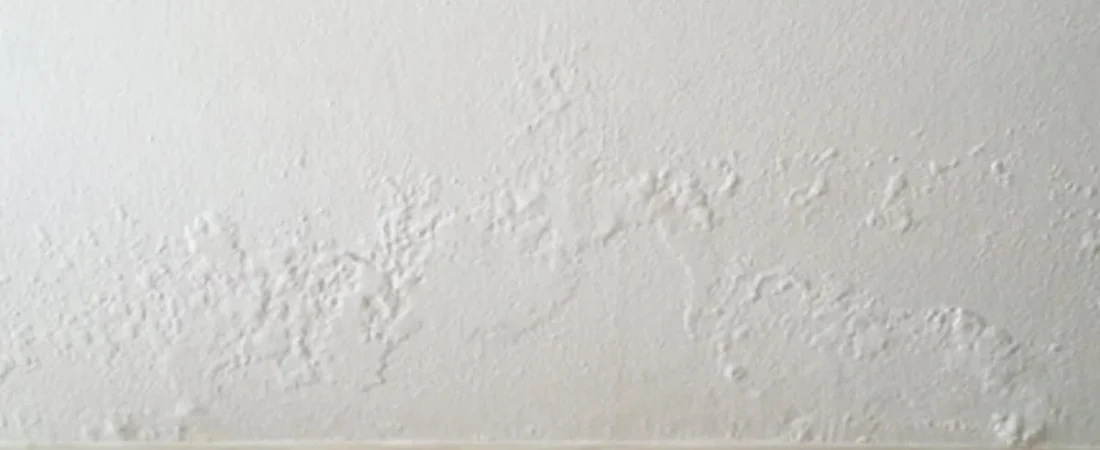
It’s not always easy to tell whether a wall is actually damp. In many apartments, walls look perfectly fine—no stains, no peeling paint, no visible water—yet something still feels off. The wall may feel cold, slightly clammy, or give off a faint musty smell, especially at certain times of year.
Dampness often develops quietly. Unlike leaks or flooding, it does not announce itself with obvious signs. Instead, it shows up through patterns, sensations, and subtle surface changes. This article explains how to tell if a wall is damp by observing those signals, even when there is no visible water.
Damp vs Wet: Why the Difference Matters
Before looking for signs, it’s important to understand what “damp” really means.
A wet wall usually involves active water—leaks, spills, or direct moisture that leaves visible marks. A damp wall, on the other hand, holds moisture within its materials or on the surface at a microscopic level. It may look dry but dry very slowly and feel uncomfortable to the touch.
This difference is why damp walls are often harder to identify.
Start With How the Wall Feels
Touch is often the first indicator, but it needs to be interpreted carefully.
A wall that may be damp often feels:
- colder than nearby walls
- slightly clammy rather than dry
- slow to warm up
Cold alone does not mean dampness, but when coolness is combined with a moist or sticky sensation, it often points to retained moisture rather than temperature alone.
Look for Subtle Surface Changes
Damp walls don’t always show dramatic damage, but they often show small, gradual changes over time.
These may include:
- paint that feels soft or chalky
- uneven wall texture
- slight discoloration that comes and goes
- surfaces that dry slower than expected
These changes are easy to miss unless you observe the same wall over time.
Pay Attention to Smell
Smell is one of the most underestimated indicators of dampness.
A damp wall may produce:
- a mild musty odor
- an earthy or stale smell
- air that feels “heavy” near the wall
These smells often become more noticeable in the morning or after the room has been closed for several hours.
Observe Seasonal Patterns
Dampness often follows a seasonal rhythm rather than appearing randomly.
Many people notice that walls feel damper:
- during winter, when surfaces are colder
- during humid summer periods
- after long periods of closed windows
If a wall feels fine in spring but damp every winter, that pattern is a strong indicator of moisture interaction rather than a one-time issue.
Check Where the Dampness Appears
Location matters more than appearance.
Walls are more likely to be damp if they are:
- exterior walls
- corners of rooms
- behind furniture
- in bedrooms or storage rooms
These areas dry more slowly and are more affected by temperature differences and limited airflow.
Behind Furniture: A Common Blind Spot
One of the most reliable ways to detect damp walls is simply noticing what happens behind furniture. Walls hidden behind wardrobes, beds, or cabinets often feel noticeably different from exposed walls.
Because airflow is blocked, moisture evaporates slowly in these areas. A wall that feels normal elsewhere but damp behind furniture is often holding moisture even if it looks intact.
Dampness vs Condensation: How to Tell the Difference
Condensation and damp walls are closely related but behave differently.
| Observation | Condensation | Damp Wall |
|---|---|---|
| Visible water | Often yes | Rare |
| Appears suddenly | Yes | Gradually |
| Dries quickly | Usually | Slowly |
| Seasonal pattern | Strong | Strong |
| Persists over time | No | Yes |
Condensation is an event; dampness is a condition. This distinction helps interpret what you’re noticing.
How Long the Wall Takes to Dry
Drying time is one of the most reliable indicators.
A wall may be damp if:
- it stays cool and moist long after conditions change
- it feels dry only briefly
- moisture seems to return quickly
Walls that consistently dry slowly are often retaining moisture beneath the surface.
Compare With Other Walls
Context matters. Comparing one wall to another often reveals dampness more clearly than looking at a single wall in isolation.
Ask yourself:
- does this wall feel different from others in the same room?
- is only one side of the apartment affected?
- does the issue repeat in the same locations?
Consistent differences usually indicate environmental causes rather than coincidence.
When a Damp Wall Is Considered Normal
Mild dampness may be considered normal when:
- it appears seasonally
- it affects limited areas
- walls dry completely during warmer periods
- no surface damage develops
These situations often reflect normal indoor moisture behavior.
When Dampness Becomes a Pattern
Closer attention may be needed when:
- walls feel damp year-round
- multiple rooms are affected
- smells persist
- surface changes slowly worsen
Persistent patterns usually signal ongoing moisture imbalance rather than temporary conditions.
Why Tools Aren’t Always Necessary
While moisture meters can be useful, many damp walls can be identified simply by observing patterns over time. Touch, smell, location, and season often provide enough information to understand what’s happening indoors without specialized equipment.
Telling if a wall is damp often requires observing subtle signs rather than looking for obvious water. Damp walls may feel cold and clammy, dry slowly, produce mild musty smells, or show gradual surface changes—especially on exterior walls or behind furniture. Seasonal recurrence and uneven drying are strong indicators of retained moisture.
Understanding these signals helps distinguish damp walls from temporary condensation or normal temperature effects. When dampness is viewed as a pattern rather than a single moment, it becomes much easier to identify and interpret accurately.
Frequently Asked Questions
How can I tell if a wall is damp without tools?
By observing touch, smell, drying time, location, and seasonal patterns.
Can a wall be damp without visible water?
Yes. Dampness often involves retained moisture rather than visible wetness.
Are exterior walls more likely to be damp?
Yes, because they stay colder and dry more slowly.
Does condensation mean a wall is damp?
Not always. Dampness develops when moisture persists over time.