
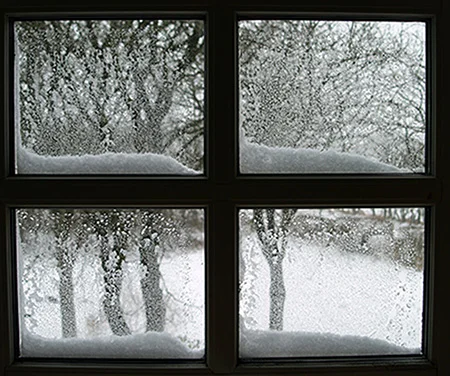
Windows sweating in winter is a familiar sight in many apartments. Water droplets form on the inside of the glass, window frames feel damp, and moisture may collect along the sill—often overnight or early in the morning. This can feel worrying, especially when it happens regularly and there are no visible leaks or obvious sources of water.
In most cases, windows sweating in winter is caused by indoor moisture and temperature differences, not by faulty windows or water intrusion. This article explains why it happens during winter, why it appears more frequently than in other seasons, and what it usually means for indoor conditions.
What “Windows Sweating” Actually Means
When people say windows are “sweating,” they are describing condensation forming on the inside of the glass. The window is not producing water. Instead, moisture from indoor air turns into liquid when it touches a cold surface.
This is the same physical process discussed in condensation on windows, but winter conditions make it far more noticeable and frequent.
Why Windows Sweat More in Winter
Winter creates the strongest conditions for condensation on windows.
Key reasons include:
- Cold outdoor temperatures
- Warm indoor air from heating
- Large temperature differences between inside and outside
- Reduced ventilation due to closed windows
These factors combine to make windows the coldest indoor surfaces during winter.
Temperature Difference Is the Main Trigger
In winter, indoor air is usually warm and able to hold more moisture. Window glass, however, is cooled by the outdoor temperature.
When warm, moist air reaches the cold glass:
- Air cools rapidly
- Moisture turns into water droplets
- Condensation becomes visible
The greater the temperature difference, the more likely windows are to sweat.
Indoor Moisture in Winter Apartments
Contrary to common belief, winter air inside apartments can still contain significant moisture.
Indoor moisture sources remain active year-round:
- Showers and baths
- Cooking and boiling water
- Breathing during sleep
- Drying clothes indoors
In winter, this moisture accumulates more easily because ventilation is often reduced.
Why Sweating Is Worse Overnight
Windows often sweat most overnight and in the early morning.
This happens because:
- Outdoor temperatures drop at night
- Windows cool for several hours
- Airflow decreases while people sleep
- Moisture from breathing accumulates
As a result, condensation becomes most visible in the morning.
Windows Sweating Even in Heated Rooms
Heating does not prevent window sweating—in fact, it can increase it.
Heating:
- Warms indoor air
- Allows air to hold more moisture
- Increases the temperature difference with cold windows
This is why windows can sweat even when the room feels warm and dry.
New Windows Sweating in Winter
People are often surprised when new or well-sealed windows sweat in winter.
This happens because:
- New windows are airtight
- Less moisture escapes naturally
- Indoor humidity can rise more easily
Sweating on new windows usually reflects indoor moisture balance, not poor installation.
Old Windows Sweating in Winter
Older windows may sweat more due to:
- Thinner glass
- Lower insulation value
- Colder surface temperatures
However, the underlying cause is still the same: warm, moist indoor air meeting a cold surface.
Windows Sweating Without Leaks
Winter window sweating often raises concerns about leaks. In most cases, no leaks are involved.
Sweating occurs because:
- Moisture is already in the air
- Glass cools down
- Condensation forms naturally
If moisture appears only on the inside surface and follows temperature changes, it is almost always condensation.
Window Frames and Sills in Winter
In winter, condensation often spreads beyond the glass.
Moisture may collect on:
- Window frames
- Rubber seals
- Corners and sills
These areas dry more slowly and may stay damp longer than the glass itself.
Curtains, Blinds, and Airflow
Curtains and blinds can worsen winter window sweating.
They:
- Block warm air circulation
- Trap moisture near the glass
- Slow down drying
When airflow around windows is restricted, condensation becomes heavier and lasts longer.
When Windows Sweating in Winter Is Normal
Window sweating in winter is often considered normal when:
- It appears mainly overnight
- It clears during the day
- It occurs during very cold weather
- It is limited to certain rooms
These patterns usually reflect typical winter indoor conditions.
When Winter Window Sweating Becomes a Concern
Sweating may be more concerning when it:
- Occurs all day
- Leaves frames or sills wet for long periods
- Appears in many rooms
- Persists throughout the winter
Persistent sweating suggests ongoing moisture imbalance rather than occasional condensation.
Windows Sweating and Indoor Humidity
Indoor humidity plays a major role in winter window sweating.
When humidity remains elevated:
- More moisture is available to condense
- Windows sweat more heavily
- Drying becomes slower
This is why winter condensation is often discussed alongside humidity rather than leaks.
Windows Sweating and Mold Risk
Repeated winter condensation can keep window areas damp. Over time, this may:
- Discolor frames or seals
- Damage finishes
- Contribute to mold growth around windows
This does not mean sweating is dangerous, but it explains why it is monitored closely.
Why Wiping Windows Doesn’t Stop Sweating
Wiping removes visible water but does not change:
- Indoor moisture levels
- Window surface temperature
- Airflow patterns
As long as conditions remain the same, windows will continue to sweat in winter.
How Windows Sweating in Winter Develops Over Time
The typical pattern looks like this:
- Indoor air warms and holds moisture
- Outdoor temperatures drop
- Windows cool down
- Moisture condenses on glass
- The cycle repeats nightly
Recognizing this cycle makes winter window sweating easier to understand.
Windows sweating in winter is a common indoor condensation issue caused by warm, moist indoor air meeting cold window surfaces. It becomes more noticeable during cold weather, overnight temperature drops, and periods of reduced ventilation. In most cases, it does not indicate leaks or faulty windows—it reflects the natural interaction between indoor moisture, heating, and cold outdoor temperatures.
Understanding why windows sweat in winter helps explain why the issue returns regularly, why it is strongest in colder months, and when it is considered normal. When viewed as a seasonal moisture balance issue, winter window sweating becomes far less alarming and much easier to interpret.
Frequently Asked Questions
Why do windows sweat in winter?
Because warm, moist indoor air meets cold window glass.
Is window sweating in winter normal?
Yes, especially during cold weather and overnight.
Does sweating mean my windows are leaking?
No. Most winter sweating is caused by condensation, not leaks.
Why is sweating worse in the morning?
Overnight cooling and reduced airflow increase condensation.
Can heating make window sweating worse?
Yes. Heating warms air and increases moisture capacity.