
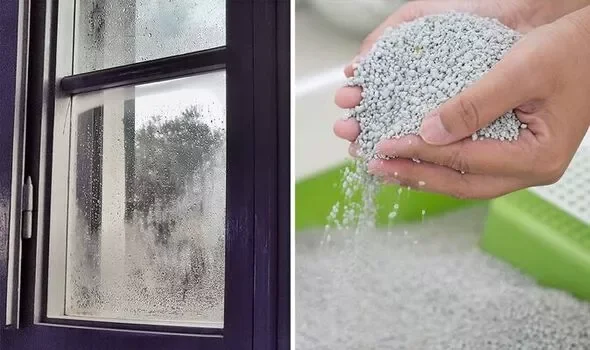
Condensation indoors is common, especially in apartments where moisture, temperature differences, and limited airflow interact daily. Water on windows, damp walls, or moisture appearing overnight can feel frustrating—particularly when wiping surfaces doesn’t seem to solve the issue.
Reducing condensation is less about quick fixes and more about changing the conditions that allow moisture to turn into water on surfaces. This article explains what usually helps reduce condensation indoors, why those actions work, and what expectations are realistic.
Understanding What You’re Actually Reducing
Before looking at ways to reduce condensation, it helps to understand what condensation is not.
Condensation is not:
- a leak
- water entering from outside
- a defect on its own
Condensation is moisture from indoor air becoming visible on cold surfaces. Reducing condensation therefore means reducing one or more of these factors:
- excess indoor moisture
- cold surface temperatures
- stagnant air
Focus on Conditions, Not Just Surfaces
Wiping condensation removes water temporarily, but it does not change the underlying conditions. Condensation returns when:
- humidity stays elevated
- surfaces remain cold
- airflow is limited
Long-term reduction comes from addressing the indoor environment rather than the visible droplets.
Improve Airflow Indoors
Airflow plays a key role in how long condensation remains.
When air moves:
- moisture disperses
- surfaces warm more evenly
- evaporation happens faster
In apartments, condensation often appears in areas where airflow is weakest—corners, behind furniture, near windows, and in closed rooms.
Reduce Moisture Build-Up From Daily Activities
Indoor moisture comes from normal life, but how it accumulates matters.
Moisture builds up more when:
- doors and windows stay closed for long periods
- steam remains trapped after showers
- air is not exchanged regularly
Even small changes in how moisture is allowed to escape can affect condensation patterns.
Balance Indoor Temperature
Surface temperature is just as important as humidity.
Condensation is more likely when:
- indoor air is warm
- surfaces are significantly cooler
Keeping temperatures more consistent throughout the apartment helps reduce the temperature gaps that cause condensation to form.
Why Bedrooms and Bathrooms Need Special Attention
Some rooms naturally produce more condensation.
- Bedrooms accumulate moisture overnight from breathing
- Bathrooms produce large amounts of steam in short periods
These rooms often require more attention to airflow and moisture balance than others.
Furniture Placement and Condensation
Furniture placement can influence condensation more than many people realize.
Large furniture placed directly against exterior walls:
- blocks air circulation
- keeps wall surfaces cooler
- slows drying
Even a small gap can change how moisture behaves near walls.
Seasonal Expectations Matter
Condensation often changes with the seasons.
Winter
- surfaces cool more
- condensation becomes more visible
- drying takes longer
Summer
- humidity may be higher
- air conditioning cools surfaces
- condensation may appear in different spots
Understanding seasonal patterns helps set realistic expectations.
What Usually Helps vs What Has Limited Impact
Here’s a clear overview of what tends to make a difference:
| Action | Usually Helps | Why |
|---|---|---|
| Improving airflow | ✅ | Reduces moisture buildup |
| Allowing air exchange | ✅ | Lowers indoor humidity |
| Keeping temperatures even | ✅ | Reduces cold surfaces |
| Wiping condensation only | ⚠️ | Temporary effect |
| Sealing everything tightly | ⚠️ | Traps moisture inside |
| Ignoring recurring patterns | ❌ | Allows condensation to persist |
This shows why reducing condensation is about patterns, not single actions.
Reduce Condensation Without Major Changes
In many apartments, reducing condensation does not require major renovations.
Small adjustments that often help include:
- allowing air to circulate freely
- avoiding prolonged moisture build-up
- recognizing high-risk rooms
- responding to seasonal changes
These adjustments work gradually rather than instantly.
Why Condensation May Never Fully Disappear
It’s important to set realistic expectations.
Condensation may still appear:
- during very cold weather
- overnight
- after high-moisture activities
The goal is usually reduction, not complete elimination.
Condensation Reduction vs Humidity Reduction
Reducing condensation does not always mean drastically lowering humidity.
Sometimes:
- improving airflow alone is enough
- warming surfaces reduces condensation
- changing room usage patterns helps
Condensation is often more sensitive to temperature and airflow than overall humidity level.
When Condensation Reduction Takes Time
Changes in condensation patterns are often gradual.
You may notice:
- less frequent condensation
- faster drying
- fewer affected areas
These signs indicate improvement, even if condensation still appears occasionally.
Common Mistakes When Trying to Reduce Condensation
Some common misunderstandings include:
- expecting instant results
- focusing only on visible water
- assuming condensation equals damage
- treating every occurrence as a problem
Condensation is a condition-driven issue, not a sudden failure.
How to Think About Reducing Condensation Long-Term
A more helpful approach is to think in terms of balance:
- moisture input
- air movement
- surface temperature
When these are better balanced, condensation naturally reduces.
Reducing condensation indoors is about managing moisture, airflow, and temperature rather than eliminating water entirely. Improving air circulation, allowing moisture to escape, keeping temperatures more even, and paying attention to high-risk rooms usually makes the biggest difference. Wiping surfaces alone provides only temporary relief.
Condensation is often seasonal and may never disappear completely, especially in apartments. When approached as an indoor balance issue rather than a defect, condensation becomes easier to reduce gradually and understand calmly.
Frequently Asked Questions
How can I reduce condensation indoors?
By improving airflow, balancing temperature, and reducing moisture build-up.
Does wiping condensation help?
Only temporarily. It does not change the underlying conditions.
Can condensation be reduced without renovations?
Yes. Small changes in airflow and moisture management often help.
Is condensation worse in winter?
Yes. Cold surfaces make condensation more likely.
Will condensation ever disappear completely?
Not always. The goal is usually reduction, not elimination.