
Latest posts
-
How HEPA Filters Improve Indoor Air Quality: The 99.97% Capture Mechanism Explained

Nine out of ten air purifier buyers think the 99.97% number is the whole story. It isn’t — and that gap in understanding is exactly why so many…
-
Do Indoor Air Quality Monitors Actually Work? The Truth About $150 Sensors vs $10,000 Lab Equipment
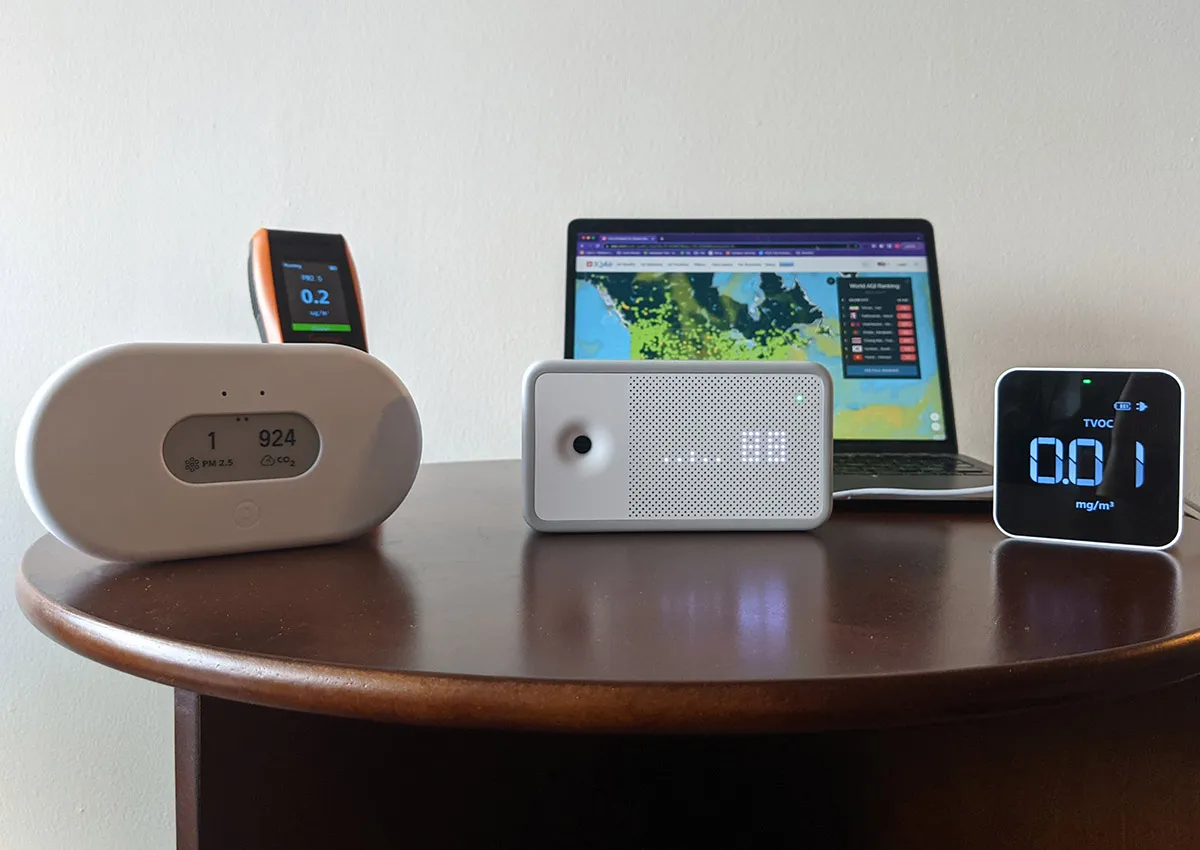
Accurate enough to change your behavior — that’s the real standard a consumer air quality monitor needs to meet, and almost every comparison article misses it entirely. The…
-
MERV 8 vs MERV 13 Filters: What Your AC Really Needs
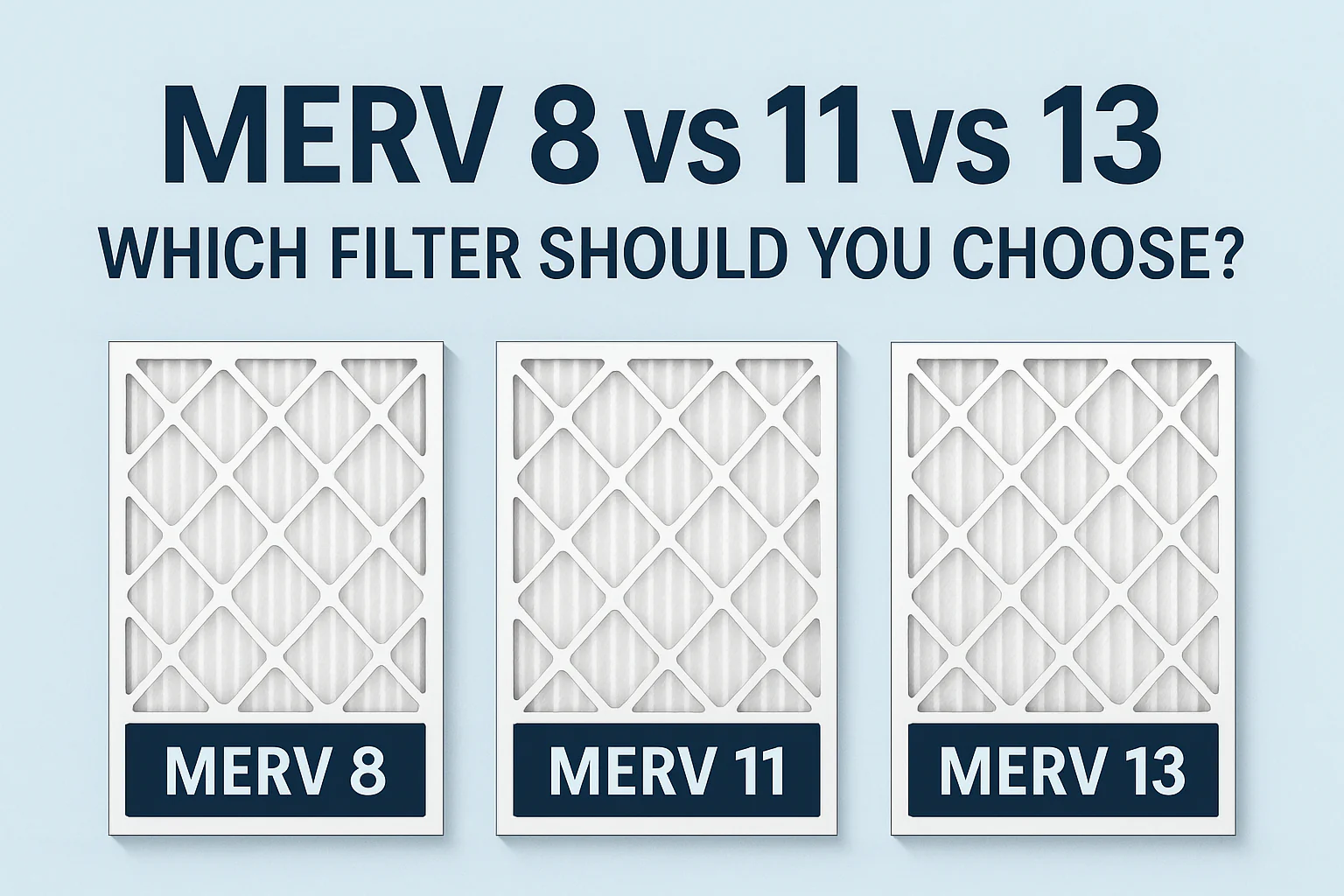
The filter industry wants you to think MERV 13 is always the upgrade. It’s not — and choosing it blindly might be slowly strangling your HVAC system while…
-
Do Air Purifiers Actually Remove Mold Spores? Yes, But They Can’t Fix Your Mold Problem
Bottom line up front: Yes, air purifiers do capture mold spores from the air — a true HEPA filter traps particles as small as 0.3 microns, and mold…
-
Indoor Air Quality in Apartments: What Most People Overlook
Bottom Line Up Front: The air quality problem in your apartment probably isn’t coming from what you think — it’s not outdoor pollution seeping in, and it’s not…
-
Indoor Air Quality in Winter Apartments: Beyond Humidity Control
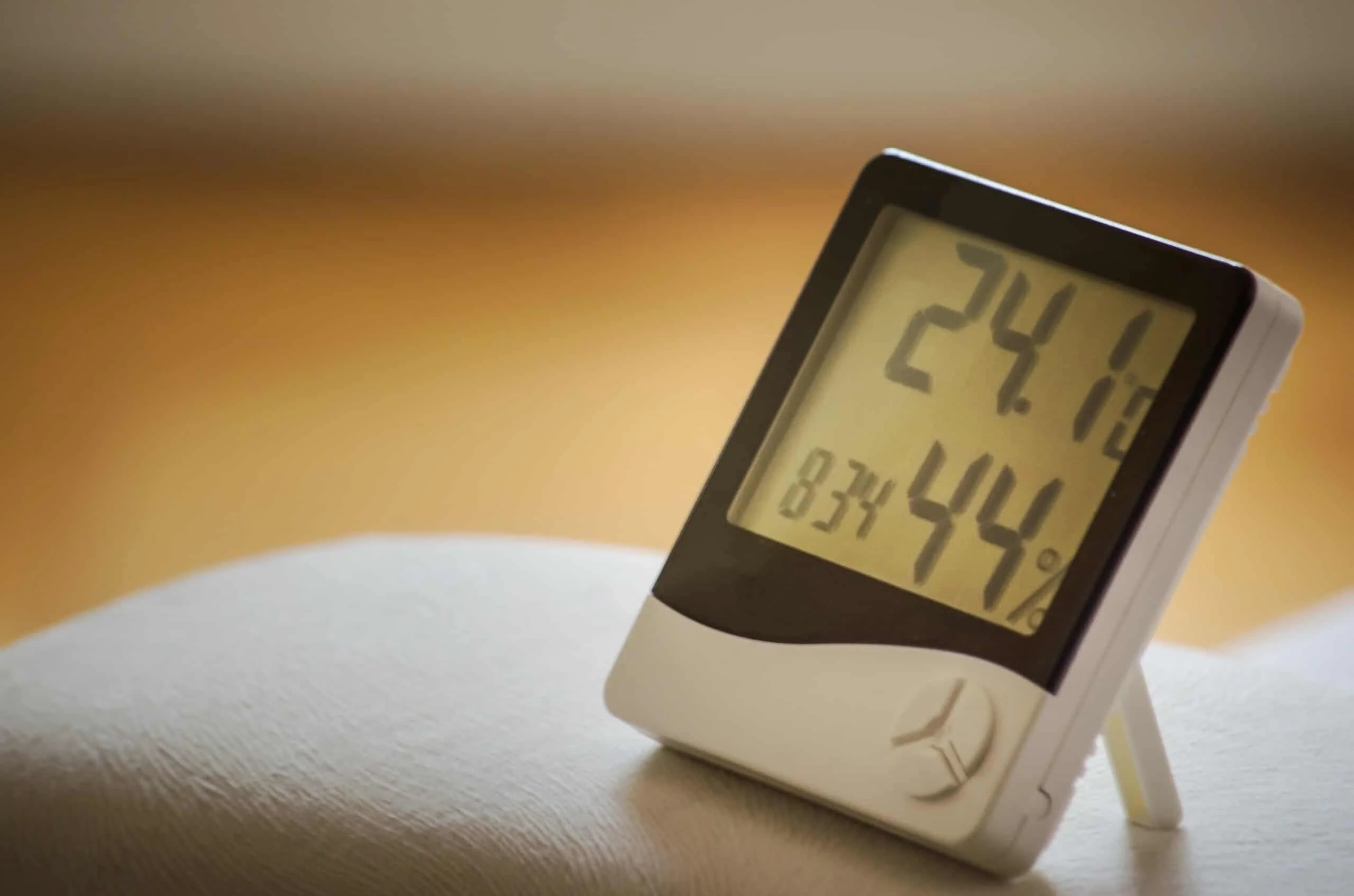
Bottom line up front: Humidity gets all the attention in winter apartment air quality discussions — but it’s the least of your problems. Volatile organic compounds off-gassing from…
-
Why Indoor Air Feels Heavy Even When Humidity Is Normal: The CO2, VOC, and Ventilation Connection
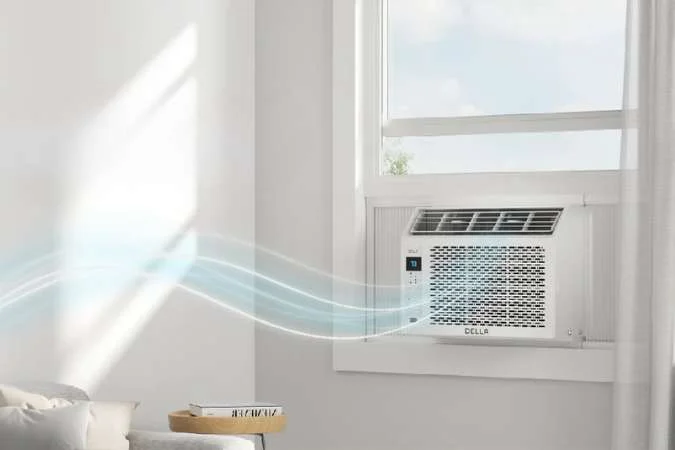
Bottom line up front: That heavy, suffocating feeling in your home has almost nothing to do with humidity. Nine times out of ten, it’s CO2 accumulation and poor…
-
Construction Dust: Cleaning Your Air After Home Renovation

The contractors finally left. Your kitchen renovation is complete—beautiful new cabinets, stunning countertops, perfect tile backsplash. But there’s a problem they didn’t warn you about: the dust. It’s…
-
Is Ozone Cleaning Safe for Removing Mold Smells? EPA Says No—Here’s Why
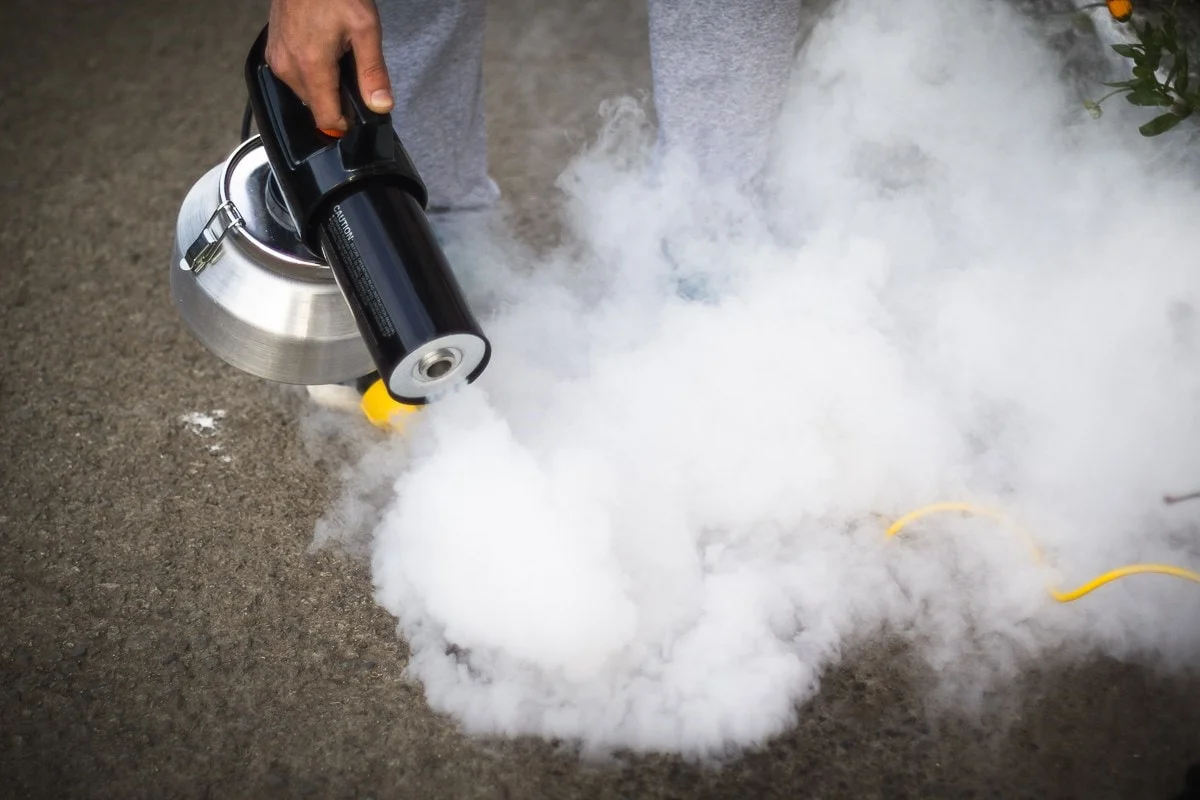
Here’s the answer nobody wants to hear: ozone machines don’t remove mold — they just silence the alarm. The smell disappears, the mold stays, and you’re left breathing…
-
Cooking Fumes: Why Kitchen Ventilation Is Critical for Lung Health
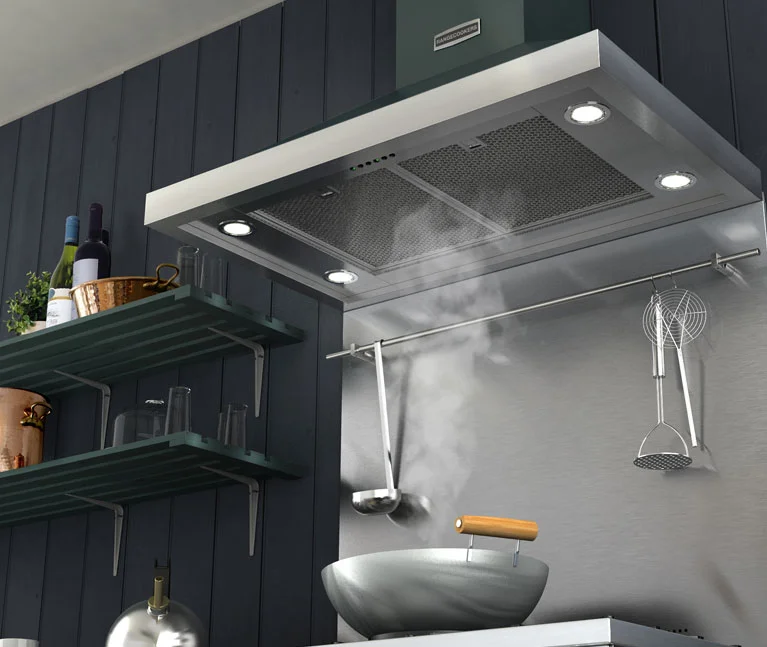
Bottom line up front: Cooking fumes aren’t just smoke and steam — they’re a cocktail of ultrafine particles, volatile organic compounds, and combustion byproducts that can exceed outdoor…