
Latest posts
-
Condensation After Cooking: Why Windows Fog Up and When It’s Normal

Here’s what nobody tells you about condensation after cooking: the windows aren’t the problem. They’re just where the problem becomes visible. Every time you boil pasta, fry onions,…
-
Condensation Only in One Room: Why Moisture Appears in Certain Spaces
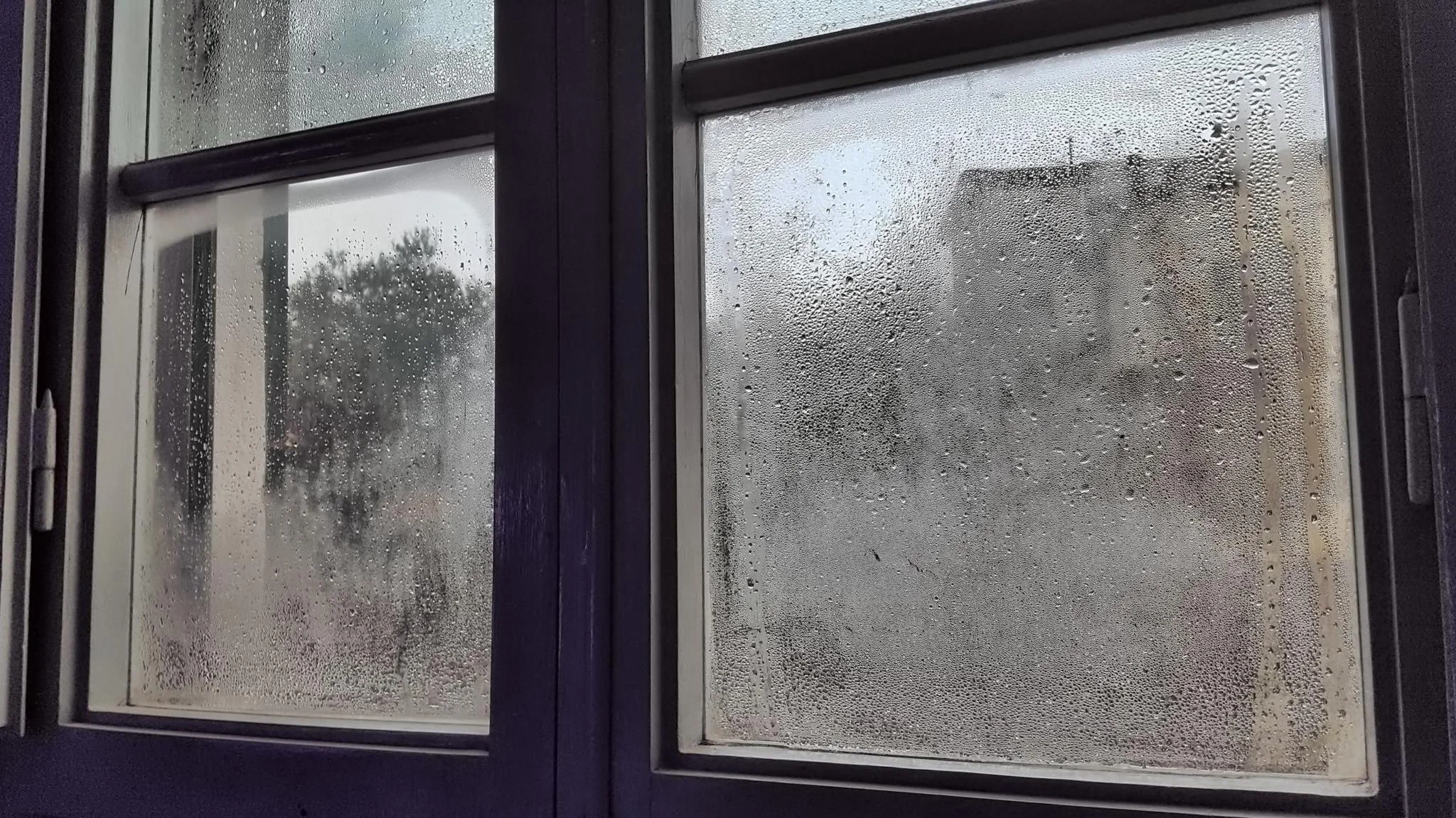
One room collecting condensation while the rest of the house stays dry isn’t bad luck — it’s a diagnostic signal, and most people misread it completely. The standard…
-
Mold Without Visible Moisture: How Invisible Humidity and Slow Drying Cause Growth
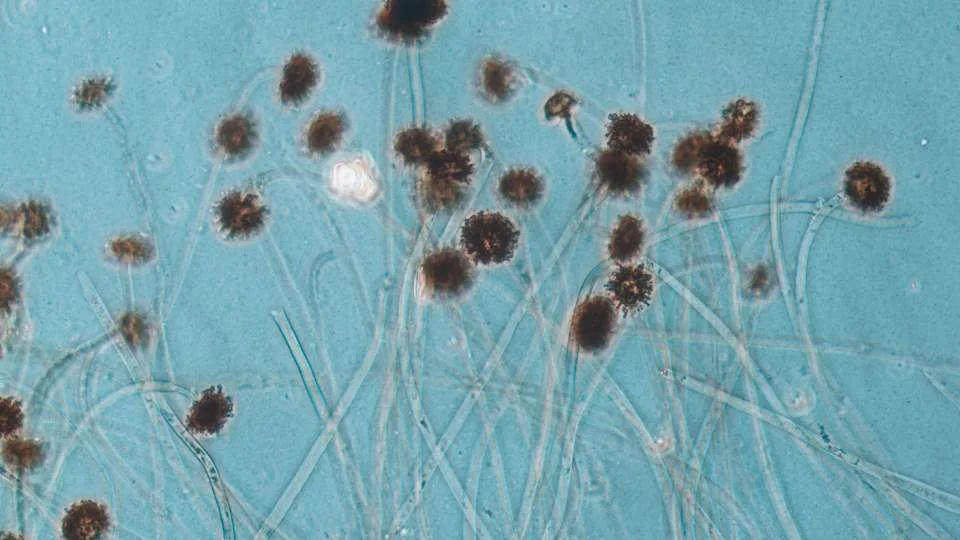
Bottom line: Mold doesn’t need a dripping pipe or a visible wet patch to grow. It needs relative humidity above 70%, a surface that stays damp for more…
-
Mold in Corners of Rooms: Cold Walls, Poor Airflow and Hidden Condensation
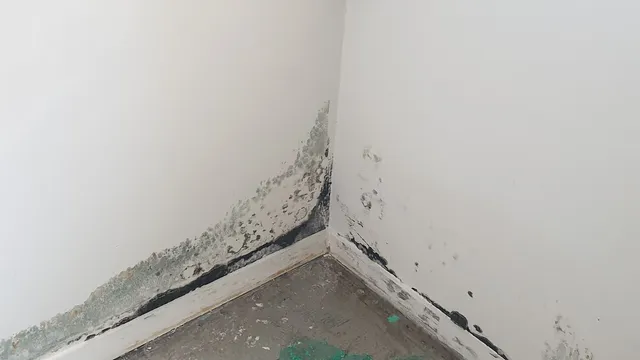
Corner mold isn’t a cleaning problem — it’s a physics problem. That dark patch creeping up the joint where your wall meets the ceiling, or lurking behind the…
-
Mold After Replacing Windows: Why It Happens and How Sealed Homes Trap Moisture
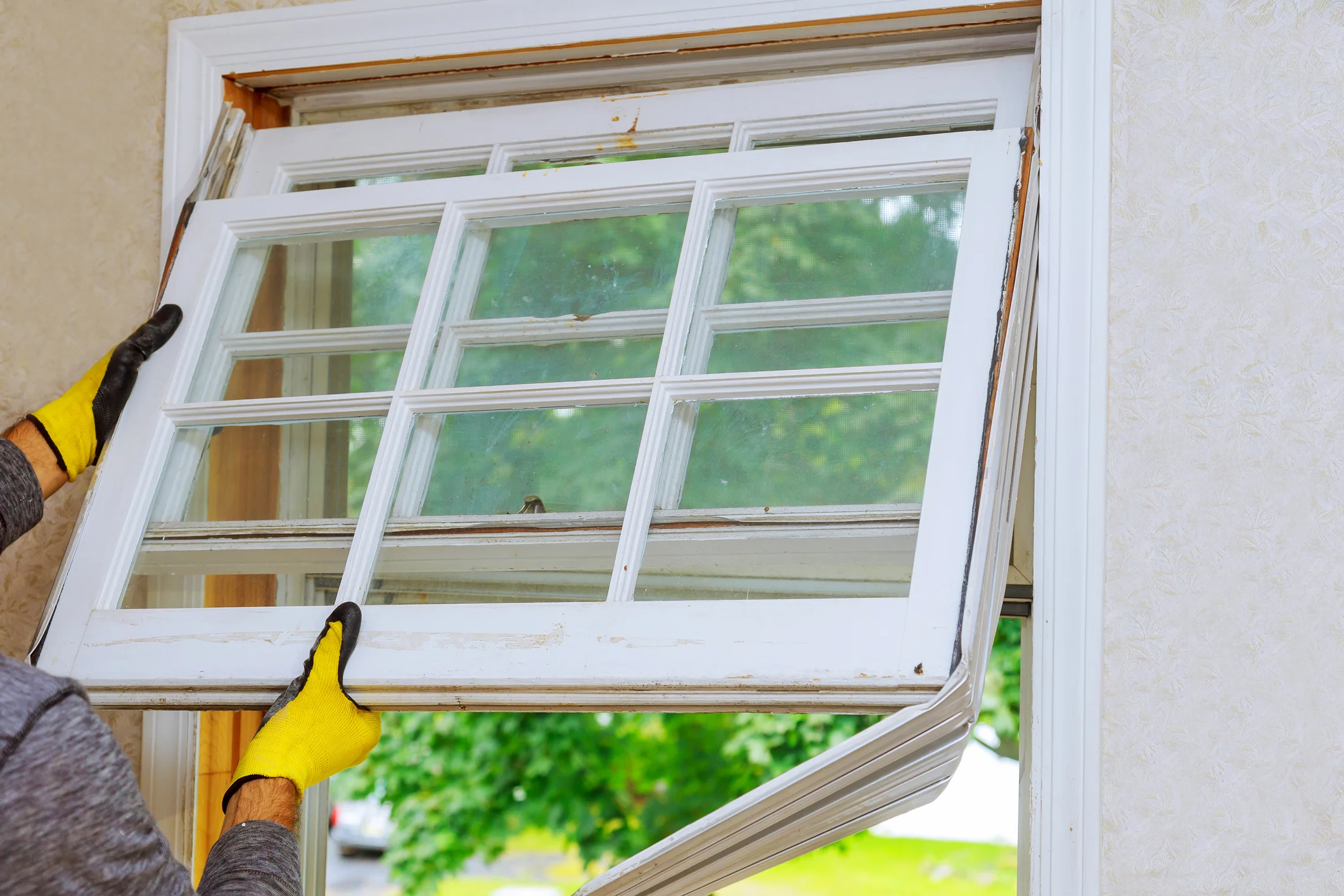
Bottom line up front: New windows don’t cause mold — but they expose mold conditions that were already quietly brewing. The real culprit is a ventilation imbalance that…
-
Mold in Closets and Wardrobes: Hidden Moisture, Common Causes and How It Starts

Your closet is probably the last place you think to check for mold — and that’s exactly why it wins. Mold in closets and wardrobes doesn’t announce itself…
-
Mold Under Wallpaper: Hidden Moisture, Warning Signs and How to Prevent It
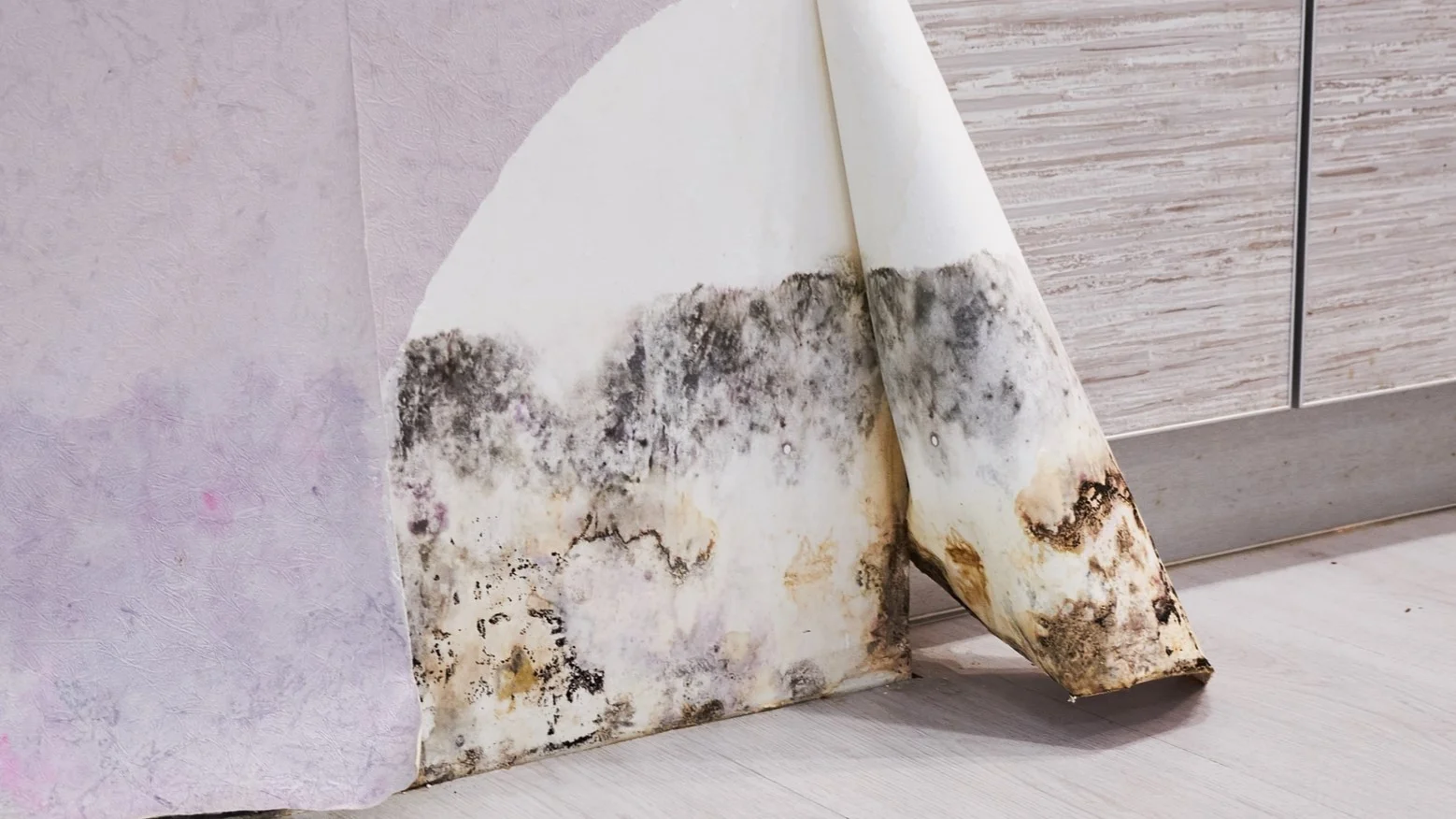
Bottom line up front: Wallpaper doesn’t cause mold — but it creates the perfect hiding place for it. The real problem isn’t the mold you eventually see peeling…
-
Mold Behind Furniture: Dew Point Science, Hidden Moisture and How to Stop It
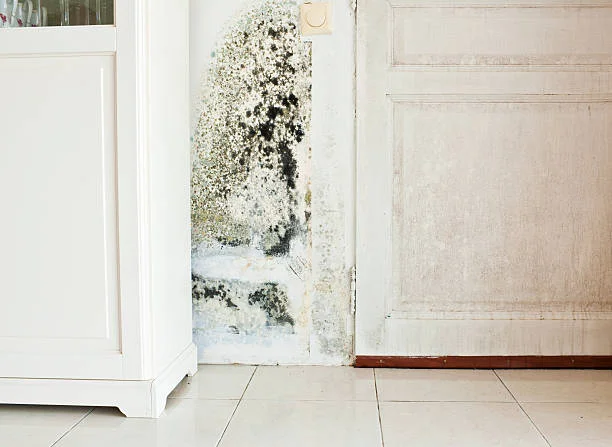
Bottom line up front: Mold behind furniture isn’t an air quality problem — it’s a physics problem. Until you understand what’s actually happening at that cold wall surface,…
-
Indoor Humidity and Air Conditioning: How AC Affects Moisture Levels and Comfort

Bottom line, right up front: Your air conditioner removes humidity as a side effect of cooling — not as its primary job — and that distinction explains almost…
-
Indoor Humidity in New Buildings: What’s Normal, Common Issues and How to Manage It

New buildings are often wetter than old ones — and that’s completely normal, even if nobody tells you that when you move in. The concrete, lumber, drywall, and…