
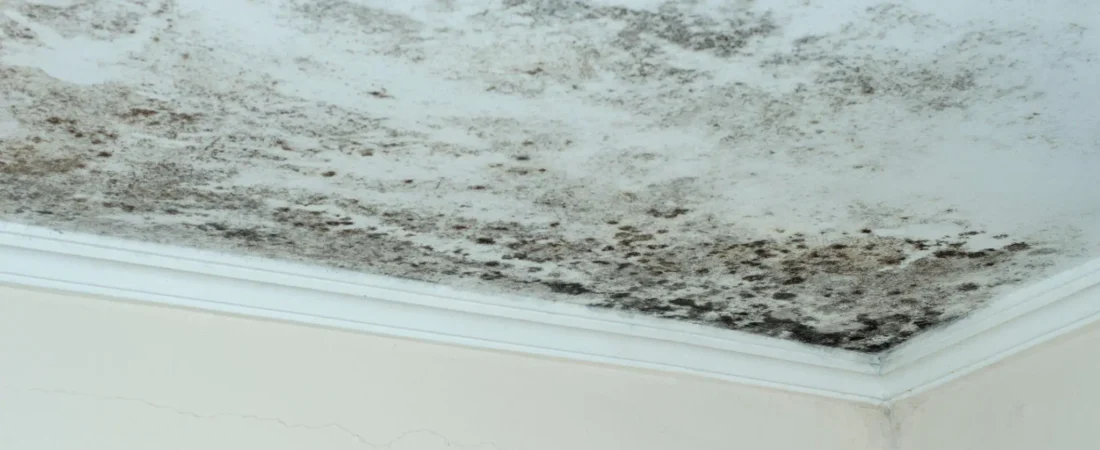
Mold on the ceiling is a persistent problem that affects countless apartments and homes worldwide. Dark spots, patches, or streaks typically appear near corners, above windows, or in bathrooms and kitchens—often in spaces that seem completely dry with no visible leaks. This puzzling phenomenon occurs because ceiling mold growth isn’t always about water damage; it’s frequently the result of indoor humidity, condensation, and poor airflow patterns that create perfect breeding conditions for mold spores.
Why Ceilings Are Particularly Vulnerable to Mold
Ceilings face unique challenges that make them mold hotspots. Warm, moist air naturally rises through convection, carrying water vapor upward where it accumulates near ceiling surfaces. This process happens continuously in occupied spaces, especially in rooms with limited ventilation.
Several factors compound this vulnerability. Ceilings are typically 2-5°F cooler than surrounding air, creating temperature differentials that promote condensation. They also receive less direct airflow than walls and floors, meaning moisture lingers longer. Additionally, many ceilings have insulation gaps or thermal bridges that create cold spots where condensation forms more readily.
| Location | Mold Risk Level | Primary Cause |
|---|---|---|
| Bathroom Ceiling | Very High | Steam and humidity from showers |
| Kitchen Ceiling | High | Cooking moisture and steam |
| Bedroom Ceiling Corners | Medium | Poor ventilation and condensation |
| Living Room Ceiling | Low-Medium | General humidity and temperature differences |
Ceiling Mold Without Water Leaks: The Hidden Truth
Many people assume ceiling mold must indicate a roof leak or plumbing problem above. However, studies show that approximately 70% of ceiling mold cases occur without any water intrusion from above. Instead, the moisture source comes from indoor air itself.
This phenomenon is particularly common in apartments where residents have limited control over building ventilation systems. Indoor humidity levels above 60% can sustain mold growth even on surfaces that appear completely dry. The moisture comes from daily activities like breathing, cooking, showering, and even houseplants releasing water vapor.
How Condensation Drives Ceiling Mold Growth
Condensation occurs when warm, humid air contacts cooler surfaces. On ceilings, this process can be nearly invisible—forming microscopic water droplets that evaporate quickly but leave surfaces slightly damp. Over time, these repeated wet-dry cycles create ideal conditions for mold spores to germinate and establish colonies.
The areas most affected by condensation include corners where air circulation is weakest, spaces near exterior walls where temperature loss occurs, and areas above windows or doors where thermal bridging is common. Even brief condensation events lasting just a few hours can provide enough moisture for mold establishment if they occur regularly.
Indoor Humidity’s Role in Persistent Ceiling Mold
High indoor humidity creates a perfect storm for ceiling mold development. When relative humidity consistently exceeds 55-60%, mold spores can germinate directly from airborne moisture without requiring visible water sources. Ceilings in these conditions absorb moisture slowly from the air, creating a slightly elevated moisture content that supports fungal growth.
- Monitor indoor humidity levels using a digital hygrometer and maintain levels between 30-50%
- Install exhaust fans in bathrooms rated for at least 50 CFM per 100 square feet of space
- Use kitchen range hoods that vent outdoors rather than recirculating indoor air
- Run dehumidifiers in consistently humid rooms, especially during summer months
- Ensure adequate air circulation near ceilings using ceiling fans or portable fans
- Address insulation gaps and thermal bridges that create cold ceiling spots
Bathroom Ceiling Mold: The Most Common Scenario
Bathroom ceilings represent the highest-risk location for mold development in residential spaces. A typical 10-minute hot shower releases approximately 0.5 pounds of water vapor into the air, creating humidity levels that can exceed 90% temporarily. Without proper ventilation, this moisture-laden air rises and condenses on cooler ceiling surfaces.
The problem intensifies because bathroom ceilings often have inadequate insulation, making them significantly cooler than the steamy air below. Even with exhaust fans, moisture can linger for hours after use. Many bathroom fans are also undersized, removing only a fraction of the moisture generated during shower use.
Kitchen Ceiling Mold Patterns
Kitchen activities generate substantial moisture through boiling water, steam from cooking, and heat that increases the air’s moisture-carrying capacity. Ceiling mold in kitchens typically appears above stovetops, near dishwashers, or in corners where warm air accumulates. The combination of heat and moisture creates particularly aggressive mold growth conditions.
Range hoods that recirculate air rather than venting outdoors can worsen the problem by spreading humid air throughout the room without removing it. Inadequate kitchen ventilation allows moisture levels to build throughout the day, especially in homes where cooking occurs frequently.
Corner and Junction Mold: Understanding the Hotspots
Ceiling corners and wall-ceiling junctions are mold magnets for multiple reasons. These areas have the poorest air circulation, allowing moisture to accumulate and stagnate. They also experience the greatest temperature differences due to thermal bridging and reduced insulation coverage, making condensation more likely.
Junction mold often starts as small, barely visible spots that gradually expand outward. The geometric design of corners creates natural air stagnation zones where humidity levels can be 10-20% higher than in open ceiling areas. This microclimate effect explains why corner mold often persists even after treatment if ventilation isn’t improved.
“In our building inspections, we find that 85% of recurring ceiling mold cases are linked to inadequate ventilation rather than structural moisture problems. The key indicator is mold appearing in multiple units with similar layouts, which points to building-wide airflow issues rather than localized leaks.”
Michael Chen, Certified Indoor Air Quality Professional
Why Ceiling Mold Returns After Cleaning
Recurring ceiling mold is frustrating but predictable when underlying moisture conditions remain unchanged. Surface cleaning removes visible mold but doesn’t address the humidity, condensation, or airflow problems that caused the initial growth. Within weeks or months, new spores settle on the same moisture-prone surfaces and begin growing again.
Successful mold prevention requires addressing root causes rather than just symptoms. This means controlling humidity sources, improving ventilation, eliminating thermal bridges, and ensuring adequate air circulation near ceiling surfaces. Without these changes, mold will continue returning to the same locations indefinitely.
Seasonal Patterns and Environmental Factors
Ceiling mold often follows predictable seasonal patterns that provide clues about its underlying causes. Winter months typically see increased mold growth as heated indoor air carries more moisture upward while exterior walls and ceilings become colder, creating ideal condensation conditions.
- Winter: Increased condensation from temperature differentials and closed windows reducing ventilation
- Spring: Rising outdoor humidity can overwhelm inadequate ventilation systems
- Summer: Air conditioning can create temperature differentials while humid outdoor air infiltrates buildings
- Fall: Temperature fluctuations and reduced ventilation as windows close for the season
Distinguishing Mold from Other Ceiling Discoloration
Not every dark spot on a ceiling indicates mold growth. Water stains from resolved leaks often leave permanent discoloration that resembles mold but doesn’t pose health risks. Smoke residue, aging paint, and condensation marks can also create suspicious-looking ceiling patches.
True mold typically has irregular edges, may appear slightly fuzzy or textured, and often expands over time. It’s frequently accompanied by musty odors and tends to appear in patterns related to moisture sources—near corners, above humid rooms, or along thermal bridges. Professional testing can definitively identify whether ceiling discoloration represents active mold growth.
Health Implications and Indoor Air Quality
Ceiling mold can impact indoor air quality as spores become airborne and circulate throughout living spaces. The severity depends on the mold species, extent of growth, and individual sensitivity levels. People with allergies, asthma, or compromised immune systems may experience more pronounced effects from ceiling mold exposure.
Small, localized ceiling mold patches don’t automatically create dangerous indoor air conditions, but extensive growth or recurring problems often indicate broader moisture issues that can worsen over time. Addressing ceiling mold promptly prevents it from becoming a more serious indoor air quality concern.
Frequently Asked Questions
Can mold grow on ceilings without leaks?
Yes. Humidity and condensation are common causes.
Why is mold common on bathroom ceilings?
Steam from showers rises and creates humidity levels exceeding 90%, while bathroom ceilings are often poorly insulated and cooler than the surrounding air. This temperature difference causes moisture to condense on ceiling surfaces, providing ideal conditions for mold growth even when walls appear dry.
Does ceiling mold always mean roof damage?
No. Most cases are caused by indoor moisture, not leaks.
Why does ceiling mold return after cleaning?
Surface cleaning removes visible mold but doesn’t address underlying humidity, condensation, or ventilation problems that caused the original growth. Without controlling moisture sources and improving airflow, new spores will settle on the same moisture-prone surfaces and regrow within weeks or months.
Is ceiling mold common in apartments?
Yes. Apartments often have limited ventilation and temperature differences.
Understanding ceiling mold as primarily a moisture and ventilation issue rather than a cleanliness problem helps explain its persistence and location patterns. By focusing on humidity control, improved airflow, and addressing thermal bridges, you can effectively prevent recurring ceiling mold problems and maintain healthier indoor air quality.