
Fixing humidity once isn’t enough — and that’s the part almost every guide skips. You seal a window, run a dehumidifier for a week, and feel like the problem is solved. But humidity is a system, not an event. The real reason homes stay damp year after year isn’t poor products or bad luck — it’s that most people manage humidity reactively instead of building conditions where moisture can’t accumulate in the first place.
Why Does Humidity Keep Coming Back No Matter What You Do?
Humidity returns because most fixes address symptoms, not sources. You might wipe down a damp wall or crack a window, but if warm, moist air still finds its way into your home’s thermal envelope, it’ll condense again the moment it hits a cooler surface. That’s just physics — warm air holds more moisture than cold air, and when that warm air cools down, it releases that moisture somewhere in your home.
The other reason it keeps coming back: most homes have multiple moisture sources operating simultaneously. Cooking, showering, breathing, plants, even the concrete in your foundation — all of it adds water vapor to your indoor air. A single dehumidifier can’t outrun all of that without a strategy behind it.
The counterintuitive fact most people never hear is this: excessively dry air (below 30% relative humidity) causes your body to produce more mucus, which actually traps allergens and irritants more effectively — making low humidity its own health problem. Long-term humidity prevention isn’t about keeping your home as dry as possible. It’s about keeping it balanced, consistently, between 40–50% relative humidity year-round.
What Is the Right Indoor Humidity Level to Prevent Damage?
The target range that building scientists and HVAC engineers consistently cite is 40–50% relative humidity (RH). Below 30%, wood floors can crack, paint chips, and respiratory irritation increases. Above 60%, you’re in the zone where dust mites thrive, mold colonies can establish within 24–48 hours, and the relationship between condensation and mold becomes a daily threat rather than a seasonal one.
That said, the “right” level honestly depends on your climate zone, your home’s construction, and the season. In cold climates during winter, you may need to drop indoor RH to 35% or even 30% to prevent condensation from forming on the inside of windows — which is its own moisture problem that can rot sill frames in a few seasons.
A hygrometer — a cheap one runs under $15 — should be in every room where you spend significant time. Don’t guess at your humidity. The number on the device tells you what intervention, if any, you actually need.
| Indoor RH Level | What’s Happening | What to Do |
|---|---|---|
| Below 30% | Air is too dry — wood shrinks, static builds, mucous membranes dry out | Add a humidifier; check HVAC settings |
| 40–50% | Ideal zone — comfortable for people, safe for structures | Maintain with ventilation and monitoring |
| 50–60% | Elevated — dust mites and mold risk begin to increase | Improve ventilation; check for moisture sources |
| Above 60% | High risk — mold, condensation, structural damage likely | Dehumidify, locate and seal moisture sources immediately |
Where Does Indoor Moisture Actually Come From?
This is where most homeowners have a blind spot. They assume the problem is weather-related — rain coming in, fog, seasonal humidity. And yes, outdoor air matters. But the majority of moisture in a typical home is generated inside it.
A single person at rest exhales roughly 0.2 liters of water per hour through respiration alone. A household of four can add nearly 2 gallons of moisture to indoor air every day just by breathing — before cooking, showering, or doing laundry. Cooking on a stovetop releases steam; a gas range also burns natural gas, which produces water vapor as a combustion byproduct. That’s a source most people never consider.
Concrete and masonry foundations are especially sneaky contributors. New concrete continues to release moisture for years as it cures. Even older slabs will wick groundwater upward through capillary action when soil moisture is high. If your basement smells musty every spring, that’s almost certainly the slab, not a leak.
“Most homeowners focus entirely on what’s entering their home from outside, but in climate-controlled spaces, internal moisture generation is typically the dominant factor. Cooking, occupants, and even building materials can contribute more than ambient outdoor air — and they’re active every single day.”
Dr. Miriam Holt, Certified Industrial Hygienist and Indoor Air Quality Consultant
How Do You Build a Long-Term Humidity Prevention System at Home?
The word “system” matters here. Long-term humidity prevention only works when you address source control, airflow, and monitoring together — not in isolation. Treating one without the others is like bailing out a boat without plugging the hole.
Here’s a realistic picture of what that looks like in practice: Imagine a homeowner in the mid-Atlantic region who notices mold spots appearing on the bedroom ceiling every fall. She runs a dehumidifier, the spots go away, but they’re back again the following October. What she hasn’t addressed is that her attic has inadequate ventilation — warm, humid air from her living spaces rises and condenses on the cold roof decking, dripping back down. The dehumidifier in the bedroom can’t fix what’s happening 10 feet above it.
A real prevention system for her would involve sealing air leaks at the ceiling plane, improving attic ventilation, and monitoring both the living area and attic RH separately. Only then does the dehumidifier play a supporting role rather than an impossible one.
What Are the Most Effective Long-Term Humidity Prevention Strategies?
These aren’t ranked in order of importance because, genuinely, that depends on your home’s construction and your local climate. Think of them as interconnected layers — the more you implement, the more resilient your indoor environment becomes.
- Air seal the building envelope first. Before you buy any equipment, identify where warm, moist air is sneaking in or out. Common entry points include gaps around recessed lights, attic hatches, plumbing penetrations, and electrical outlets on exterior walls. A can of fire-rated expanding foam can close these gaps in an afternoon, and the impact on both humidity and energy bills is immediate.
- Upgrade exhaust ventilation in high-moisture rooms. Bathroom fans should be rated for at least 50–110 CFM depending on room size, and they should run for 20–30 minutes after showering, not just during. Range hoods over the stove should exhaust to the exterior — not recirculate — and should be used every time you cook on the stovetop. These two interventions alone eliminate a massive fraction of daily indoor moisture load.
- Encapsulate your crawl space or treat your basement floor. An open dirt crawl space can add gallons of moisture to your home every day. A 6-mil polyethylene vapor barrier laid over a dirt crawl floor and sealed at the walls dramatically reduces that load. In a basement, vapor-permeable waterproofing paint or a proper drainage membrane addresses wicking through the slab.
- Size your HVAC system correctly. An oversized air conditioner is one of the most underappreciated humidity problems in modern homes. An AC that’s too large cools the air quickly but doesn’t run long enough to adequately dehumidify it — because dehumidification happens across the evaporator coil over time, not instantly. If your home feels clammy even with the AC running, oversizing may be the culprit.
- Add a dedicated whole-home dehumidifier if needed. Portable units work for individual rooms but cycling them on and off is imprecise. A whole-home dehumidifier integrated with your HVAC system can maintain target RH levels throughout the house automatically, using a central humidistat. These units typically handle 70–120 pints per day — far more than any portable unit.
Does Ventilation Actually Lower Humidity or Make It Worse?
This one genuinely depends on the situation, and getting the answer wrong can backfire badly. Opening windows lowers humidity when outdoor air is drier than indoor air — which is common in cool weather or during a dry summer day. But in many climates, outdoor air in summer is more humid than indoor air, so opening windows actually pulls in more moisture than it removes.
The smarter approach is controlled mechanical ventilation. A Heat Recovery Ventilator (HRV) or Energy Recovery Ventilator (ERV) exchanges stale indoor air with fresh outdoor air while transferring heat — and in an ERV’s case, moisture — between the two airstreams. An ERV is particularly well-suited to humid climates because it pre-conditions incoming humid air before it enters your living space, reducing the load on your HVAC system.
Check your outdoor dew point before deciding to open windows. If outdoor dew point is above 55°F, opening up will likely increase your indoor humidity. If it’s below 50°F, ventilating makes sense. A weather app will give you the dew point — it’s a more useful number than “relative humidity” for this decision.
Pro-Tip: Run your bathroom exhaust fan on a timer switch rather than just while you’re in the shower. Setting it to continue for 30 minutes after you leave removes residual steam that would otherwise condense on walls and ceilings and slowly saturate drywall — which then becomes a slow-release moisture source for days afterward.
Which Parts of the Home Are Highest Risk for Chronic Humidity Problems?
Not all areas carry equal risk, and knowing where to focus your attention first saves both money and frustration. Basements and crawl spaces are almost always the primary culprits in homes that feel perpetually damp — they’re below grade, often poorly ventilated, and in direct contact with soil moisture. Addressing these spaces first typically produces the most dramatic improvement.
Attics are the second-most-common problem zone, particularly in colder climates. When warm, moist indoor air leaks through the ceiling and hits cold attic surfaces, it condenses. Over time that moisture supports mold growth on the roof decking — sometimes for years before anyone notices. The fix usually involves a combination of air sealing at the ceiling plane and ensuring adequate soffit-to-ridge ventilation.
Bathrooms without windows or with undersized exhaust fans are chronic offenders, but the damage there tends to be more visible and more quickly noticed. Less obvious: exterior walls in bedrooms, where insulation gaps allow the wall cavity to become a cold surface on which humid indoor air condenses invisibly inside the wall structure itself.
What Everyday Habits Actually Prevent Humidity Buildup Long Term?
Hardware and insulation matter, but daily habits move the needle more than most homeowners expect. Small, consistent choices compound over time — either toward balance or toward chronic excess moisture.
- Cover pots when cooking. A covered pot releases roughly 40% less steam than an open one. Over a household year, this is a meaningful reduction in daily moisture load — and it also cuts cooking time and energy use.
- Dry laundry outdoors or in a vented dryer. Air-drying clothes indoors can add 2–4 pints of water vapor per load to your indoor air. If outdoor drying isn’t an option, ensure the dryer exhausts to the exterior, not into a garage or utility room.
- Don’t overwater houseplants. A single overwatered large plant can transpire up to a pint of water per day. In a closed room during winter, that adds up faster than you’d think. Group plants near ventilated areas and let soil dry between waterings.
- Keep gutters and grading in order. Water that pools against your foundation after rain doesn’t just sit there — it seeps toward the slab. Gutters that deposit water within 6 feet of the house, or soil that slopes toward the foundation, are continuous moisture contributors that no indoor dehumidifier can fully overcome.
- Check and replace HVAC filters on schedule. A clogged filter reduces airflow across the evaporator coil, which reduces its dehumidification capacity. A clean filter costs a few dollars; the mold remediation that results from months of reduced dehumidification can cost thousands.
How Do You Know If Your Long-Term Humidity Prevention Plan Is Actually Working?
You measure it. Not by feel, not by smell, and not by whether the walls look dry — by reading your hygrometers consistently. Place them in at least three locations: a main living area, a basement or crawl space, and a bedroom. Log the readings weekly at the same time of day for one month after making any changes. You’ll see whether your interventions are actually moving the number or whether the moisture is migrating to a different part of the house.
Watch for these specific signals that humidity is still too high even if the number looks acceptable: condensation on windows in the morning (especially at the corners), a persistent musty smell in enclosed spaces like closets, paint bubbling on exterior walls, or wood floors that feel slightly springy underfoot near exterior walls. Any one of these is evidence that average RH readings may be misleading — humidity peaks that occur at night or during specific activities can cause damage even if daytime readings look fine.
The most telling sign that your system is working? Your home feels the same in July and in November — no clammy air, no stuffy dryness, no smell. That consistency is the actual goal.
What Are the Real Costs of Ignoring Humidity Over Time?
Let’s be direct: chronic high humidity is a slow-motion structural event. Wood framing that stays above 19% moisture content begins to support wood-rotting fungi within a few seasons. Drywall that regularly absorbs moisture loses structural integrity and becomes a reservoir for mold spores that release into the air every time air flows over it. These are not hypothetical outcomes — they’re what home inspectors find routinely in homes where humidity hasn’t been actively managed.
From a health standpoint, dust mite populations — a primary trigger for asthma and allergies — roughly double with each 10% increase in relative humidity above 50%. This means a home running at 65% RH isn’t 15% worse than one at 50% — it can be dramatically worse for allergy sufferers. The mites themselves aren’t the allergen; their fecal matter and body fragments are, and they become airborne when disturbed.
Financially, the costs are significant. Mold remediation in a 200-square-foot basement area typically runs $2,000–$6,000. A full crawl space encapsulation runs $3,000–$8,000. Replacing moisture-damaged drywall and insulation in an exterior wall can exceed $10,000 once labor is included. Compare that to a whole-home dehumidifier at $1,200–$2,500 installed, or a proper crawl space vapor barrier at a few hundred dollars for materials, and the math on prevention is straightforward.
Are Dehumidifiers Enough on Their Own for Long-Term Humidity Prevention?
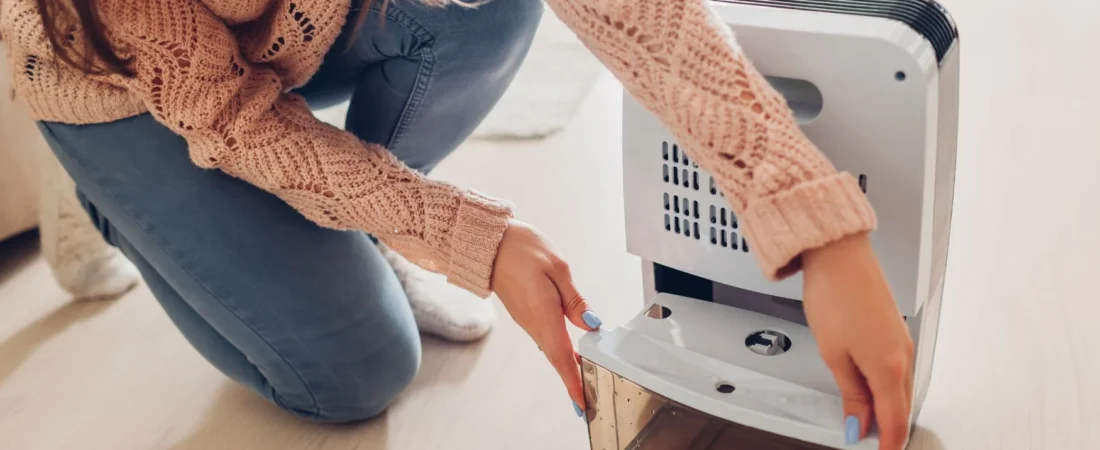
Not if the underlying sources aren’t addressed. A dehumidifier is essentially pulling water out of the air and dumping it into a bucket or drain — but if moisture is continuously entering faster than the unit can remove it, you’re running a machine at capacity indefinitely. That’s expensive in electricity, hard on the unit’s compressor, and ultimately ineffective at lowering the peak humidity levels that cause real damage.
Think of it this way: a dehumidifier is a treatment, not a cure. The cure is reducing how much moisture your home produces and absorbs in the first place. Once you’ve done that — sealed the envelope, improved ventilation, controlled internal moisture sources — a dehumidifier becomes the fine-tuning instrument that keeps you in the target range on humid days. That’s its proper role.
There is one scenario where a dehumidifier alone is actually sufficient: a well-sealed, well-insulated modern home in a mild climate, with occupant behavior that doesn’t generate excessive moisture. In that case, a properly sized unit with an automatic humidistat can genuinely maintain balance on its own. But that’s the exception, not the rule.
How Do Seasonal Changes Affect Your Long-Term Humidity Prevention Strategy?
Your approach has to shift with the seasons — full stop. In summer, the primary threat is too much moisture: humid outdoor air infiltrates, internal sources compound it, and warm temperatures accelerate mold growth. The strategy here is dehumidification, exhaust ventilation, and keeping the AC running long enough to dehumidify, not just cool.
Winter flips the challenge. In cold climates, outdoor air is very dry. Heating that air indoors without adding moisture back can drop RH to 20–25%, causing cracked wood, nosebleeds, and increased susceptibility to respiratory illness. But add too much moisture in winter and you’ll get condensation on cold windows and exterior walls — which is exactly how rot and mold get started in cold climates, quietly, inside the wall assembly.
Spring and fall are the adjustment seasons. These are the times to reassess: check hygrometer readings, inspect for any winter condensation damage, and recalibrate your humidifier or dehumidifier settings. Running the wrong mode in the shoulder seasons — dehumidifying in October when your home is already at 35% — is a common mistake that’s easy to avoid with regular monitoring.
Homes that stay truly balanced year-round aren’t managed once and forgotten. They’re monitored habitually, adjusted seasonally, and maintained mechanically — which is less effort than it sounds once the systems are in place and you’ve built the habit of checking a number rather than guessing from comfort alone. The homeowners who manage this well aren’t doing more work; they’re doing smarter, less frequent work, and they’re not dealing with the chaos of mold outbreaks, emergency repairs, or air quality crises that reactive management always eventually produces.
Frequently Asked Questions
Long-Term Humidity Prevention: How to Keep Your Home Dry, Balanced, and Comfortable Year-Round
By maintaining ventilation, airflow, and consistent habits.
Do I need a dehumidifier long-term?
Sometimes, but less often when prevention is effective.
Can humidity problems disappear permanently?
They can become rare and manageable with prevention.
Why does humidity return every year?
Because seasonal patterns repeat without adjusted habits.