
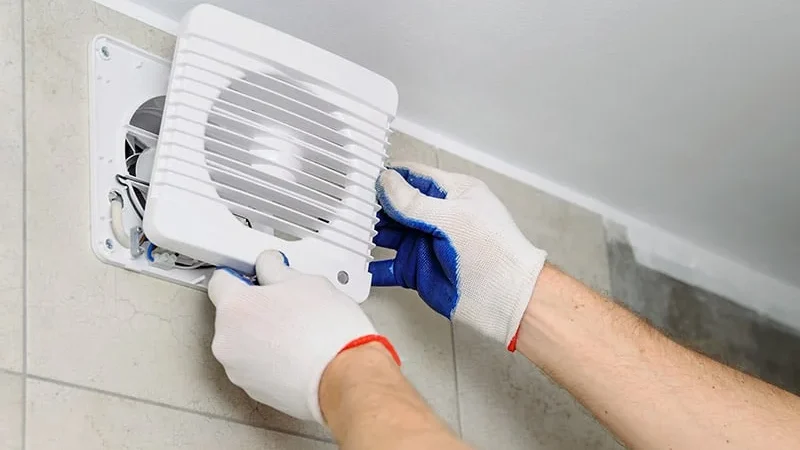
Ventilation is often the first advice people hear when dealing with high indoor humidity. Open the windows, let fresh air in, and the problem should disappear. In reality, ventilation can reduce indoor humidity — but only under certain conditions. In other situations, it may have little effect or even make humidity feel worse.
Understanding how ventilation actually works helps explain why it sometimes solves humidity problems and sometimes doesn’t. This article explains the relationship between ventilation and indoor moisture in a realistic, practical way.
How Ventilation Influences Indoor Humidity
Ventilation does not remove moisture by itself. It works by replacing indoor air with outdoor air. Whether this reduces humidity depends entirely on the moisture content of the air outside compared to the air inside.
When outdoor air is drier than indoor air, ventilation allows excess moisture to escape. When outdoor air is more humid, ventilation may bring additional moisture inside.
This is why ventilation feels very effective in some seasons and less helpful in others.
Why Ventilation Often Works So Well in Winter
In colder seasons, outdoor air usually contains less moisture, even if it feels damp. When this air enters a warm indoor space, its relative humidity drops, allowing it to absorb moisture from the room.
As a result, winter ventilation often:
- lowers indoor humidity
- reduces condensation
- helps surfaces dry faster
This is why short, regular ventilation is especially effective during colder months.
Ventilation in Summer: Why Results Can Be Mixed
In summer, outdoor air often contains more moisture. Ventilating during humid weather may not reduce indoor humidity and can sometimes increase it.
This does not mean ventilation is useless in summer. It simply means timing and airflow matter more. Ventilation may still help with air freshness and temperature balance, even if humidity reduction is limited.
The Importance of Airflow, Not Just Open Windows
Ventilation works best when air actually moves through the space. Opening a single window without airflow often has little effect on humidity.
Effective ventilation involves:
- air entering and exiting the space
- movement through rooms
- avoiding stagnant corners
This is why cross-ventilation or assisted airflow often produces better results than passive airing.
Short Ventilation vs Constant Window Opening
Many people leave windows slightly open for long periods, expecting this to control humidity. In many cases, short, focused ventilation periods are more effective.
Brief ventilation exchanges indoor air quickly without cooling surfaces excessively. This allows moisture to escape while maintaining indoor temperature balance, especially in cooler seasons.
Ventilation and Moisture From Daily Activities
Ventilation is particularly effective immediately after moisture-producing activities such as showering or cooking. At these moments, indoor air contains a high concentration of moisture that can be removed efficiently.
Delaying ventilation allows moisture to spread through the apartment and settle on surfaces, making humidity harder to reduce later.
When Ventilation Alone Is Usually Enough
Ventilation is often sufficient when:
- humidity problems are seasonal
- no leaks or structural issues exist
- moisture improves after airing
- dampness is mild and temporary
In these situations, consistent ventilation habits can keep indoor humidity balanced.
When Ventilation Has Limited Effect
Ventilation may struggle when:
- outdoor air is consistently humid
- airflow inside the apartment is poor
- rooms are sealed too tightly
- moisture sources are constant
In these cases, ventilation still helps air freshness but may need support from other measures.
Ventilation Compared to Other Humidity Solutions
| Method | How It Works | Effect on Humidity |
|---|---|---|
| Ventilation | Replaces indoor air | Strong when outdoor air is drier |
| Air circulation | Moves air internally | Indirect support |
| Moisture absorbers | Passive absorption | Very limited |
| Dehumidifiers | Active moisture removal | Consistent |
This comparison shows why ventilation is foundational but not universal.
Why Ventilation Sometimes Feels Ineffective
Ventilation can feel ineffective when expectations are unrealistic. If humidity is caused by continuous moisture input or poor airflow design, simply opening windows may not solve the issue completely.
This often leads people to believe ventilation “doesn’t work,” when in reality it works within specific conditions.
Ventilation and Long-Term Humidity Prevention
Ventilation plays a critical role in long-term humidity prevention. Even when other tools are used, regular air exchange:
- reduces moisture accumulation
- supports drying
- improves overall air comfort
It should be seen as a baseline habit rather than a one-time fix.
Ventilation can reduce indoor humidity, but its effectiveness depends on outdoor conditions, airflow, and timing. It works best when outdoor air is drier and when air moves through the space rather than remaining stagnant.
Ventilation is not a guaranteed solution in every situation, but it remains one of the most important foundations of indoor humidity control. Used consistently and with realistic expectations, it significantly improves indoor air comfort and moisture balance.
Frequently Asked Questions
Does opening windows always reduce humidity?
No. It depends on outdoor moisture levels.
Why does ventilation work better in winter?
Cold air holds less moisture and absorbs humidity indoors.
Can ventilation increase humidity?
Yes, when outdoor air is more humid than indoor air.
Is ventilation still useful if humidity stays high?
Yes, for air freshness and support of other solutions.