
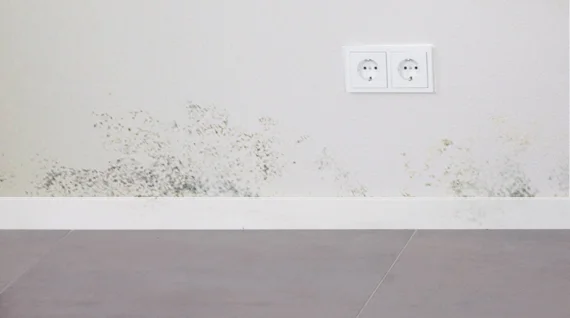
Finding mold on bedroom walls is unsettling, especially when the room appears clean and well maintained. Mold may appear as dark spots, faint patches, or discoloration near corners, behind furniture, or along exterior walls. Unlike bathrooms or kitchens, bedrooms aren’t typically associated with visible moisture, which makes wall mold feel unexpected.
Mold in bedroom walls usually develops because moisture remains present quietly and consistently, often without obvious signs. Understanding why bedrooms are vulnerable to wall mold helps explain how this problem forms and what it indicates about indoor humidity behavior.
Why Mold Appears on Bedroom Walls
Mold doesn’t appear randomly. It develops when moisture lingers on or within wall surfaces long enough to support growth. In bedrooms, this process is often slow and subtle.
Bedrooms tend to be enclosed for long periods, especially overnight. Moisture from breathing accumulates gradually, and limited airflow prevents it from dispersing. Over time, this creates conditions where walls dry slowly and remain slightly damp for extended periods.
Walls become affected not because of direct water exposure, but because humidity never fully leaves the room. A single person releases approximately 1-2 pounds of moisture while sleeping for 8 hours through breathing and perspiration.
Common Mold Growth Patterns in Bedrooms
| Location | Cause | Risk Level |
|---|---|---|
| Exterior walls | Temperature differential and condensation | High |
| Behind furniture | Blocked airflow and trapped moisture | Very High |
| Window corners | Condensation from temperature changes | Moderate |
| Interior walls | Poor ventilation and humidity buildup | Low |
Exterior Walls and Cooler Surfaces
Mold in bedrooms often appears on exterior walls rather than interior partitions. Exterior walls are typically cooler, especially at night or during colder seasons. When warm, humid indoor air meets a cooler wall surface, moisture condenses invisibly.
This condensation doesn’t always form visible droplets, but it can still dampen wall materials enough to encourage mold growth over time. Corners and areas near windows are especially vulnerable.
The Role of Limited Airflow
Airflow plays a critical role in keeping wall surfaces dry. In bedrooms, airflow is often minimal. Doors are closed, windows remain shut overnight, and there’s little air movement near walls.
Without airflow, moisture stays trapped near wall surfaces instead of evaporating. This allows humidity to settle into paint, plaster, or wallpaper quietly. Even small differences in airflow can determine whether a wall dries fully or remains slightly damp day after day.
Why Mold Often Appears Behind Furniture
One of the most common locations for bedroom wall mold is behind beds, wardrobes, or large furniture. These areas receive very little air circulation. Furniture placed tightly against walls blocks airflow and traps moisture.
Over time, this creates a hidden micro-environment where walls stay cooler and damper than the rest of the room. Mold may develop unnoticed until furniture is moved, which makes the problem feel sudden even though it developed gradually.
Nighttime Humidity Cycles
Nighttime plays a major role in bedroom wall mold. While sleeping, moisture from breathing accumulates in a closed room for hours. Walls absorb this moisture slowly, especially if they’re cooler than the air.
Because this happens every night, walls may never fully dry before the next moisture cycle begins. Over weeks or months, this repeated exposure increases mold risk. This explains why bedroom wall mold often develops even without visible condensation.
Signs That Point to Humidity-Related Mold
- Mold appears in predictable patterns along exterior walls or corners where temperature differences create condensation zones
- Growth occurs primarily behind furniture or in areas with restricted airflow, indicating trapped moisture rather than water intrusion
- Walls feel consistently cool or slightly damp to the touch, especially during humid weather or overnight hours
- Mold returns to the same locations after cleaning, suggesting ongoing moisture conditions rather than a one-time contamination event
- Musty odors become more noticeable when the room has been closed for extended periods, indicating trapped humidity
Why Mold Can Appear Without Leaks
Many people assume wall mold means there must be a leak. In bedrooms, this is often not the case. Mold can develop purely from humidity-related moisture, without any water intrusion.
When humidity remains elevated consistently and drying is slow, wall materials can absorb enough moisture to support mold growth without ever feeling wet to the touch. This makes bedroom wall mold easy to misdiagnose.
“Bedroom mold typically develops when relative humidity stays above 60% for extended periods, combined with poor air circulation. Even without visible moisture, wall materials can absorb enough humidity to support mold growth within 24-48 hours of sustained conditions.”
Dr. Sarah Mitchell, Indoor Air Quality Specialist
Why Cleaning Isn’t a Long-Term Solution
Removing visible mold from bedroom walls doesn’t prevent it from returning if moisture conditions remain unchanged. Cleaning treats the symptom, not the cause. If walls continue to experience slow drying and elevated humidity, mold is likely to reappear in the same locations.
This repeated cycle is common in bedrooms because the underlying conditions are subtle and persistent. Long-term improvement requires better moisture balance, not stronger cleaning products.
Prevention Strategies That Actually Work
- Maintain bedroom humidity between 30-50% using a dehumidifier during humid months
- Keep furniture at least 2-3 inches away from exterior walls to allow air circulation
- Use a small fan to improve air movement, especially near problem areas identified in previous mold growth
- Open bedroom doors during the day to allow moisture to disperse throughout the house
- Monitor humidity levels with a hygrometer, particularly during overnight hours when moisture accumulates most
When Bedroom Wall Mold Requires Professional Attention
Small areas of mold may develop in humid environments, but certain signs suggest a deeper issue. Bedroom wall mold deserves closer attention when it spreads over time, returns quickly after removal, or when musty odors accompany visible growth.
These signs indicate that moisture conditions aren’t improving and may point to structural issues that require professional assessment.
Frequently Asked Questions
Why does mold grow on bedroom walls?
Mold grows on bedroom walls because humidity lingers and walls dry slowly, especially at night. When people sleep in enclosed bedrooms, moisture from breathing accumulates over 6-8 hours with limited air circulation. This creates conditions where walls absorb moisture but can’t dry completely before the next humidity cycle begins.
Is mold in bedroom walls caused by leaks?
Often no — bedroom wall mold is commonly caused by indoor humidity rather than water leaks. Unlike bathroom or kitchen mold, bedroom mold typically develops from accumulated moisture from breathing, poor ventilation, and temperature differences between indoor air and cooler exterior walls. This humidity-based mold can appear without any visible water source or plumbing issues.
Why is mold behind furniture so common?
Mold behind furniture is common because airflow is blocked and moisture becomes trapped in these areas. Furniture placed against walls creates dead air spaces where humidity can’t disperse naturally. These hidden areas often stay cooler and damper than the rest of the room, creating perfect conditions for mold growth that goes unnoticed until furniture is moved.
Can bedroom wall mold return after cleaning?
Yes, bedroom wall mold can return after cleaning if humidity conditions remain unchanged. Cleaning removes visible mold but doesn’t address the underlying moisture problem that caused it initially. Without improving ventilation, controlling humidity levels, or addressing temperature differences, mold will likely reappear in the same locations within weeks or months.
Mold in bedroom walls develops because moisture accumulates quietly in enclosed spaces with limited airflow, not because of dramatic water events. Understanding this humidity-driven process helps focus on the real solution: controlling moisture levels and improving air circulation rather than repeatedly cleaning the same problem areas.