
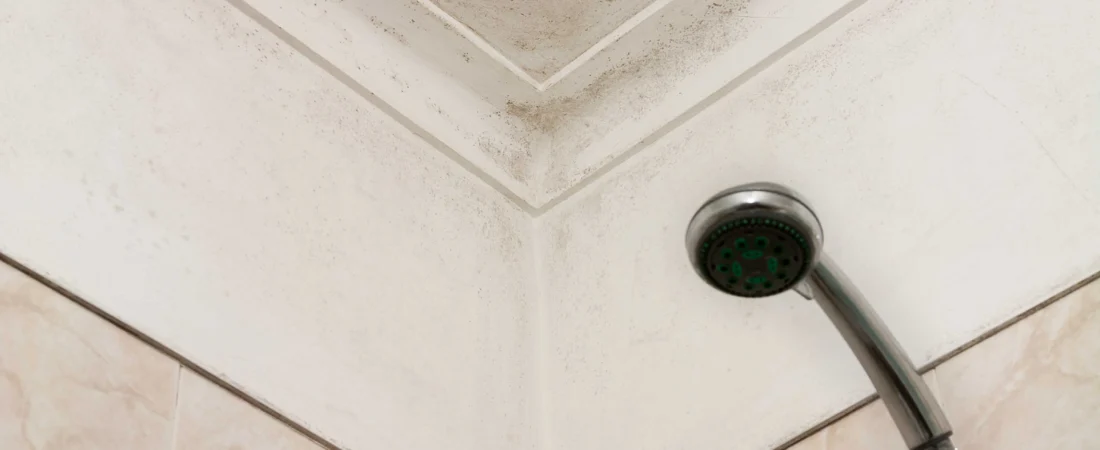
Mold on the bathroom ceiling is one of the most common and frustrating moisture-related problems homeowners face. It often appears as dark spots, patches, or streaks above the shower area or near corners, creating an unsightly and potentially unhealthy environment. Even in otherwise clean bathrooms, ceiling mold can develop quietly and return repeatedly, leaving many wondering why this area is so vulnerable.
Mold in a bathroom ceiling isn’t random—it forms because warm moisture rises, condenses, and lingers at the highest point of the room, where drying is slowest. Understanding why ceilings are affected first helps explain why this problem is so persistent and what it reveals about bathroom moisture behavior.
Why Mold Appears on Bathroom Ceilings First
Bathrooms produce massive amounts of warm, humid air during showers—typically raising humidity levels from 40% to over 90% in minutes. This air naturally rises and collects near the ceiling due to basic physics. As it cools, moisture condenses on ceiling surfaces, especially if they’re cooler than the surrounding air.
Ceilings often dry 3-4 times more slowly than walls because they receive less direct airflow and natural ventilation. Over time, repeated exposure to moisture creates conditions where mold can develop within 24-48 hours, even if walls and floors appear completely dry. This upward movement of moisture explains why ceiling mold is so common in bathrooms across all home types.
The Science Behind Lingering Humidity
Mold doesn’t form from a single steamy shower. It develops when humidity remains elevated repeatedly and surfaces stay damp long enough for spores to establish growth. Research shows that mold needs moisture levels above 60% for sustained periods to thrive.
Bathrooms that stay humid after use allow moisture to settle into ceiling paint, plaster, or other porous materials. When this happens daily over 2-3 weeks, the ceiling becomes a stable environment for mold colonies. Lingering humidity is the key factor, not cleanliness—even spotless bathrooms can develop ceiling mold if moisture management is poor.
| Surface Type | Drying Time | Mold Risk Level |
|---|---|---|
| Bathroom Walls | 2-4 hours | Low to Medium |
| Bathroom Ceiling | 8-12 hours | High |
| Ceiling Corners | 12-24 hours | Very High |
| Textured Surfaces | 24+ hours | Critical |
Why Bathroom Ceilings Dry So Slowly
Several factors contribute to slow ceiling drying, creating a perfect storm for mold growth. Warm air rises during showers, but once the hot water stops, airflow often decreases dramatically. Moisture trapped near the ceiling has limited pathways to escape, especially in bathrooms with poor ventilation design.
In many bathrooms, exhaust fans pull air from a single point and may not effectively capture moisture that has spread across the entire ceiling surface. Studies show that standard bathroom fans remove only 60-70% of shower-generated moisture. As a result, dampness persists above, even when lower parts of the room feel completely dry within an hour.
- Hot air rises and gets trapped against the ceiling surface
- Limited air circulation in the upper portions of most bathrooms
- Porous ceiling materials that absorb and hold moisture longer
- Temperature differences that encourage continued condensation
- Inadequate exhaust fan placement or capacity for the room size
Temperature Differences and Hidden Condensation
Bathroom ceilings are often 10-15 degrees cooler than the air during a hot shower. This temperature difference encourages condensation, even if overall humidity levels drop later. When warm, humid air hits a cooler ceiling surface, water droplets form instantly—adding extra moisture directly to the surface.
When this happens repeatedly, it increases mold risk regardless of how clean the bathroom is or how often it’s used. Ceilings near exterior walls or unheated spaces are especially vulnerable because they maintain lower temperatures year-round. Winter months see a 40% increase in bathroom ceiling mold complaints due to these temperature differentials.
Why Ventilation Alone Isn’t Always Enough
Many people are surprised to see mold despite using a bathroom fan religiously. This happens because ventilation removes airborne moisture, not water already absorbed into surfaces. If moisture condenses on the ceiling before it reaches the fan intake, ventilation alone may not prevent mold growth.
The fan may successfully reduce overall humidity levels while still leaving the ceiling damp for 6-8 hours—long enough for mold spores to begin establishing colonies. This explains why ceiling mold can appear even in bathrooms with properly functioning exhaust systems.
“Most bathroom fans are designed to remove general humidity, but they can’t address moisture that’s already condensed on surfaces. The key is preventing condensation in the first place, not just removing humid air after the fact.”
Dr. Sarah Mitchell, Indoor Air Quality Specialist
Common Mold Formation Patterns
Bathroom ceiling mold frequently appears in predictable locations that reveal airflow limitations and moisture behavior. These zones receive less air circulation and tend to be slightly cooler, creating microclimates perfect for mold growth.
- Corners where two walls meet the ceiling—air circulation is minimal and drying takes 2-3 times longer
- Areas directly above the shower where the most moisture concentrates during use
- Edges along exterior walls where temperature differences are most pronounced
- Spots farthest from exhaust fan intake where air circulation is poorest
- Textured surfaces like popcorn ceilings that trap moisture in crevices
Moisture accumulates quietly in these areas, and drying takes significantly longer. Over time, these small differences become visible through distinct mold growth patterns that often reveal more about your bathroom’s airflow than isolated mold problems.
Understanding Mold vs Mildew on Bathroom Ceilings
People often use “mold” and “mildew” interchangeably, but there are subtle differences. On bathroom ceilings, early growth may look light gray or patchy before darkening to black or green over time. Mildew tends to stay surface-level and powdery, while mold can penetrate deeper into porous materials.
Regardless of appearance, both indicate moisture conditions that favor microbial growth. The distinction matters less than recognizing that the ceiling is staying damp too often and requires attention to prevent the problem from worsening.
Why Cleaning Alone Doesn’t Solve the Problem
Cleaning visible mold removes surface growth, but it doesn’t change the underlying moisture behavior that caused it. If the ceiling continues to experience repeated dampness cycles, mold will likely return within 2-4 weeks. This is why bathroom ceiling mold is often described as “coming back” despite thorough cleaning with bleach or antimicrobial products.
The surface gets treated, but the environmental conditions remain unchanged. Long-term improvement requires addressing moisture control, ventilation, and drying conditions—not just stronger cleaning products or more frequent scrubbing.
When Ceiling Mold Signals a Bigger Issue
Occasional small spots may develop in humid environments and aren’t necessarily cause for alarm. However, certain patterns suggest a broader moisture problem that extends beyond normal bathroom humidity. Professional assessment may be needed when ceiling mold spreads rapidly, appears in multiple rooms, or returns within days of cleaning.
Ceiling mold may indicate a larger issue when it spreads beyond 10 square feet, darkens significantly over time, appears quickly after cleaning, produces strong musty odors, or extends beyond the shower area into other parts of the bathroom. In these cases, the ceiling mold is a symptom of persistent humidity imbalance that may require HVAC assessment or structural moisture investigation.
Impact on Indoor Comfort and Air Quality
Beyond appearance, mold on the ceiling affects how a bathroom feels and functions. It can contribute to persistent musty odors and create discomfort even if direct exposure is limited. The presence of mold often signals that air quality and moisture control aren’t optimal, reducing overall comfort in the space.
Many people report feeling less comfortable using bathrooms with visible ceiling mold, even after cleaning. The psychological impact combines with potential air quality concerns to create an environment that feels less fresh and inviting than it should.
Frequently Asked Questions
Why does mold appear on the ceiling and not the walls?
Because warm moisture rises and ceilings dry more slowly. Hot, humid air from showers naturally moves upward and gets trapped against the ceiling surface, where it condenses and lingers for hours. Walls receive better air circulation and dry 3-4 times faster than ceiling surfaces.
Can mold grow even with a bathroom fan?
Yes, if moisture condenses before reaching the fan. Standard bathroom fans remove only 60-70% of shower-generated moisture and can’t address water that’s already condensed on surfaces. If humidity hits the ceiling before the fan captures it, mold can still develop despite proper ventilation use.
Is ceiling mold always dangerous?
Small areas are common, but persistent growth should not be ignored. Occasional spots in humid bathrooms are normal, but mold that spreads beyond 10 square feet, returns quickly after cleaning, or produces strong odors may indicate larger moisture problems requiring professional assessment.
Why does mold return after cleaning?
Because moisture conditions remain unchanged. Cleaning removes visible growth but doesn’t address the underlying humidity, condensation, or ventilation issues that caused the mold initially. Without improving moisture control, mold typically returns within 2-4 weeks of cleaning.
Mold in bathroom ceilings develops because warm, humid air rises, condenses, and dries slowly at the highest point of the room. Understanding this pattern helps identify whether you’re dealing with a temporary moisture issue or a recurring humidity imbalance that deserves systematic attention. Effective solutions focus on improving moisture removal and air circulation rather than just cleaning visible growth.