
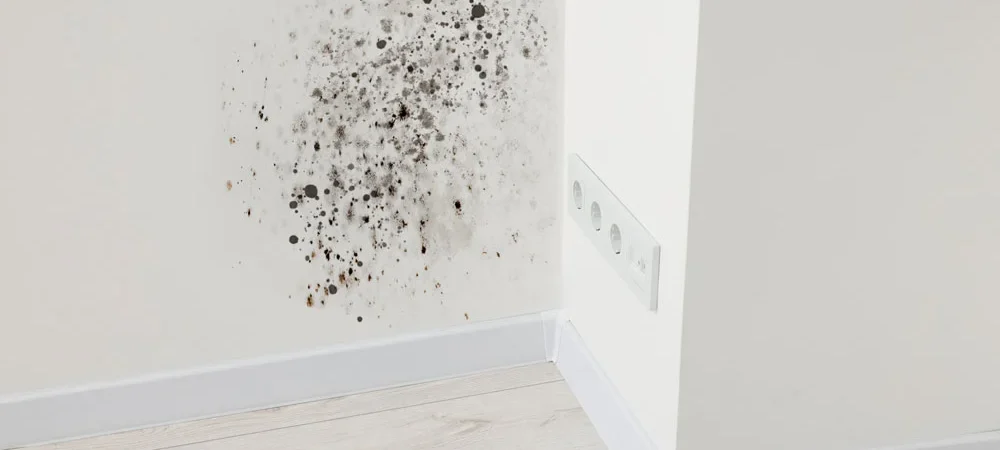
Mold on walls is one of the most common indoor mold problems in apartments. It often appears as dark spots, patches, or streaks on painted surfaces, wallpaper, or plaster. In many cases, walls may look dry, and there are no visible leaks—yet mold still develops and sometimes keeps coming back.
This article explains why mold grows on walls, which indoor conditions cause it, why it often appears in the same places, and what wall mold usually indicates about moisture, airflow, and temperature indoors.
Why Walls Are a Common Place for Mold
Walls—especially exterior walls—are highly sensitive to moisture and temperature differences. Unlike floors or ceilings, walls often:
- Separate warm indoor air from colder outdoor conditions
- Have uneven insulation
- Receive limited airflow when blocked by furniture
These factors make walls a frequent location for mold growth, even when other parts of the apartment remain unaffected.
Mold on Walls Without Visible Water Damage
One of the most confusing aspects of wall mold is that it often appears without leaks or stains.
This happens because mold does not require dripping water. It only needs:
- Moisture over time
- A surface to grow on
- Limited drying
Walls can absorb moisture from humid air or condensation without showing obvious wet marks.
High Indoor Humidity and Wall Mold
Consistently high indoor humidity is one of the leading causes of mold on walls.
When humidity remains elevated:
- Walls slowly absorb moisture from the air
- Painted surfaces dry very slowly
- Damp conditions persist at a microscopic level
Even if walls feel dry to the touch, they may still hold enough moisture to support mold growth over time.
Condensation on Walls
Condensation on walls is another major cause of wall mold.
Condensation forms when warm, moist indoor air meets a cooler wall surface. This commonly occurs:
- On exterior walls
- In corners of rooms
- Behind furniture
- Near windows
Condensation may not always be visible. Repeated condensation cycles—especially overnight—can keep wall surfaces damp long enough for mold to develop.
Mold on Exterior vs Interior Walls
Exterior Walls
Exterior walls are more prone to mold because they are colder, especially in winter. Moisture from indoor air is more likely to settle on these surfaces.
Interior Walls
Interior walls can still develop mold, particularly:
- In bathrooms and kitchens
- In rooms with poor airflow
- Where moisture accumulates from daily activities
However, mold on interior walls often points to localized humidity or ventilation issues rather than temperature differences.
Mold Behind Furniture on Walls
Mold often grows on walls behind furniture, where it remains hidden for long periods.
Large items such as wardrobes, beds, or sofas:
- Block airflow
- Prevent walls from drying
- Create cooler, shaded areas
When furniture is moved, mold is often discovered unexpectedly, giving the impression that it appeared suddenly.
Why Mold on Walls Keeps Coming Back
Recurring mold on walls usually means the underlying conditions have not changed.
Common reasons include:
- Persistent humidity
- Repeated condensation in the same areas
- Furniture placement blocking airflow
- Cold wall surfaces due to insulation issues
Cleaning removes visible mold but does not address these conditions, which is why regrowth is common.
Seasonal Patterns of Mold on Walls
Wall mold often follows seasonal patterns.
Winter
- Cold exterior walls attract moisture
- Condensation increases
- Windows stay closed, reducing airflow
Summer
- Warm, humid air enters apartments
- Cooling lowers temperature but not moisture
- Walls dry slowly in humid conditions
If mold appears at the same time each year, seasonal moisture is likely a major factor.
Mold on Painted Walls and Wallpaper
Painted walls and wallpaper can both support mold growth when moisture is present.
- Painted walls may show dark spots or streaks
- Wallpaper may trap moisture behind it, allowing mold to grow unseen
Wallpaper is especially prone to hidden mold because moisture can accumulate between the paper and the wall surface.
Wall Mold vs Surface Dirt or Stains
Not every dark mark on a wall is mold. Some spots may be caused by:
- Dirt buildup
- Smoke residue
- Aging paint
- Condensation stains
Mold typically appears irregular, may spread over time, and is often linked to dampness or musty odors.
Mold on Walls and Indoor Air
Wall mold can affect indoor air when spores are released into the surrounding space. This is more likely when:
- Mold covers a larger area
- Surfaces remain damp
- Airflow is limited
Small, localized wall mold does not automatically mean indoor air is unsafe, but persistent growth usually reflects ongoing moisture imbalance.
Why Mold on Walls Is Often Misunderstood
Wall mold is frequently misunderstood because:
- Walls often look dry
- No leaks are visible
- Mold appears slowly
- Growth may be hidden behind objects
As a result, wall mold is often blamed on cleaning habits rather than indoor conditions.
How Mold on Walls Develops Over Time
Wall mold usually develops gradually:
- Indoor humidity rises or condensation repeats
- Walls absorb moisture
- Drying is limited by airflow or temperature
- Mold begins to grow
- Visible spots appear later
This slow progression explains why mold can seem to “appear out of nowhere.”
Mold on walls is a common indoor issue in apartments and is rarely caused by leaks alone. In most cases, it develops due to high indoor humidity, repeated condensation, cold wall surfaces, or limited airflow—especially along exterior walls or behind furniture. Because walls can hold moisture without obvious signs, mold growth often goes unnoticed until visible spots appear.
Understanding wall mold as a response to indoor conditions rather than surface cleanliness helps explain why it often returns and why it appears in the same locations. Recognizing patterns such as seasonal recurrence, furniture placement, and condensation makes wall mold easier to interpret and far less mysterious.
Frequently Asked Questions
Can mold grow on walls without leaks?
Yes. Humidity and condensation are common causes.
Why does mold appear behind furniture?
Furniture blocks airflow, preventing walls from drying.
Is mold on walls always serious?
Not always. Small areas often reflect localized moisture issues.
Why does wall mold return after cleaning?
Because moisture and airflow conditions remain unchanged.
Is wall mold common in apartments?
Yes. Apartments often have cold exterior walls and limited airflow.