
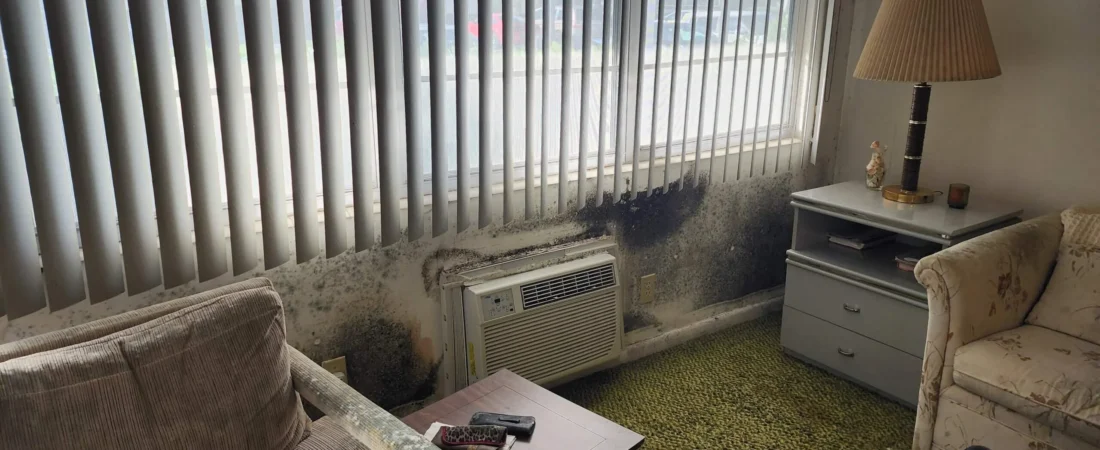
Discovering mold in an apartment often raises an immediate and uncomfortable question: Is it safe to live here? For many people, mold triggers anxiety, uncertainty, and the feeling that the living space may no longer be suitable or healthy.
In reality, the answer is rarely simple or absolute. Yes, many people do live in apartments with some level of mold—but whether it is reasonable or comfortable depends on context. Mold indoors exists on a wide spectrum, from small localized spots to widespread moisture problems.
This article explains when living in an apartment with mold is common, when it becomes a concern, and what mold usually indicates about indoor conditions rather than immediate danger.
Why Mold in Apartments Is So Common
Mold in apartment is far more common in apartments than many people realize. This is not necessarily due to neglect or poor maintenance, but because apartments naturally create conditions where moisture can accumulate.
Common apartment-related factors include:
- Limited airflow between rooms
- Shared walls and ceilings
- Cold exterior surfaces
- Moisture from daily activities
Because mold spores are always present indoors, mold growth becomes possible whenever moisture remains long enough.
Living With Mold vs Living With Mold Problems
An important distinction is between living with small amounts of mold and living with ongoing mold problems.
Living With Small or Localized Mold
In many apartments, small areas of mold may appear:
- Around windows
- On bathroom ceilings
- Behind furniture
These situations are common and often reflect humidity or condensation issues rather than a severe problem.
Living With Ongoing Mold Issues
Mold becomes more concerning when:
- It spreads across multiple rooms
- It keeps returning after cleaning
- Strong odors persist
- Moisture problems remain unresolved
This usually points to broader indoor condition issues rather than isolated spots.
Does Mold Automatically Make an Apartment Unsafe?
No.
The presence of mold alone does not automatically make an apartment unsafe to live in.
Safety depends on:
- Amount of mold present
- Duration of exposure
- Indoor airflow and moisture
- Individual sensitivity
Many people live comfortably in apartments where small mold issues are managed or seasonal.
Why Mold Often Causes Anxiety
Mold creates anxiety largely because it is invisible at first, poorly understood, and often discussed in extreme terms online.
Concerns are amplified by:
- Sensational headlines
- Confusion about mold types
- Uncertainty about health effects
- Lack of clear, practical information
This makes mold feel more dangerous than it typically is in everyday residential settings.
Mold, Comfort, and Quality of Living
Even when mold is not dangerous, it can still affect comfort and quality of living.
Common issues include:
- Persistent musty odors
- Feeling uncomfortable in certain rooms
- Needing to ventilate frequently
- Avoiding parts of the apartment
These factors matter when deciding whether living in an apartment with mold feels acceptable.
Mold and Individual Sensitivity
People respond to mold differently.
Some individuals may:
- Notice irritation or discomfort quickly
- Be sensitive to odors or air quality
- Feel stressed by visible mold
Others may live in the same environment with no noticeable effects. Sensitivity varies widely and is an important personal factor.
Temporary Mold vs Persistent Mold
Mold may appear temporarily due to:
- Seasonal humidity changes
- Cold weather condensation
- Short-term ventilation issues
Temporary mold often improves when conditions change.
Persistent mold, on the other hand:
- Appears repeatedly
- Remains year-round
- Spreads slowly over time
Persistent mold suggests deeper moisture or airflow problems.
Living With Mold in Rental Apartments
In rental apartments, mold often becomes a practical issue rather than a theoretical one.
Tenants may:
- Clean visible mold regularly
- Improve ventilation where possible
- Monitor recurring areas
Whether living with mold is acceptable often depends on whether the situation remains stable or worsens over time.
Mold Without Visible Water Damage
Many apartments with mold show no leaks or water damage. This does not mean the problem is imagined.
Mold without leaks is usually caused by:
- Indoor humidity
- Condensation
- Cold surfaces
- Limited airflow
Understanding this helps explain why mold can exist even in well-maintained apartments.
When Living With Mold Becomes Less Reasonable
Living in an apartment with mold may become unreasonable when:
- Mold spreads rapidly
- Odors are constant and strong
- Multiple rooms are affected
- Moisture problems are unresolved
These signs usually indicate that indoor conditions are not improving and may continue to reduce comfort over time.
Mold as a Signal, Not a Verdict
Rather than viewing mold as an immediate verdict on livability, it is more useful to see it as a signal.
Mold often signals:
- Moisture imbalance
- Poor airflow in specific areas
- Condensation on cold surfaces
Interpreting mold this way allows for calmer, more informed decisions.
Why Some People Continue Living With Mold
Many people continue living in apartments with mold because:
- The mold is limited or seasonal
- Conditions are manageable
- Alternatives are not immediately available
- The issue does not worsen
In these cases, living with mold becomes a matter of practicality rather than ideal conditions.
Mold and Long-Term Living Conditions
Over time, living conditions matter more than isolated mold spots.
Key questions include:
- Is the mold stable or spreading?
- Does it return quickly after cleaning?
- Are moisture conditions improving or worsening?
These patterns help determine whether living in the apartment remains reasonable.
Yes, many people live in apartments with mold—but whether it is reasonable or comfortable depends on the situation. Small or localized mold is common in apartments and often reflects humidity or condensation rather than a serious problem. Mold does not automatically make an apartment unsafe, but persistent, spreading mold usually indicates unresolved moisture issues.
Understanding mold as a signal of indoor conditions rather than an immediate danger helps reduce unnecessary fear and supports better decision-making. When evaluated calmly and in context, mold becomes easier to interpret and less overwhelming.
Frequently Asked Questions
Can you live in an apartment with mold?
Yes, many people do, especially when mold is limited or seasonal.
Does mold always mean the apartment is unsafe?
No. Safety depends on extent, duration, and conditions.
When does mold become a serious concern?
When it spreads, returns constantly, or affects multiple rooms.
Is living with mold common in apartments?
Yes. Apartments often experience humidity and airflow issues.
Should mold always be treated as an emergency?
No. Many cases reflect manageable indoor conditions rather than immediate danger.