
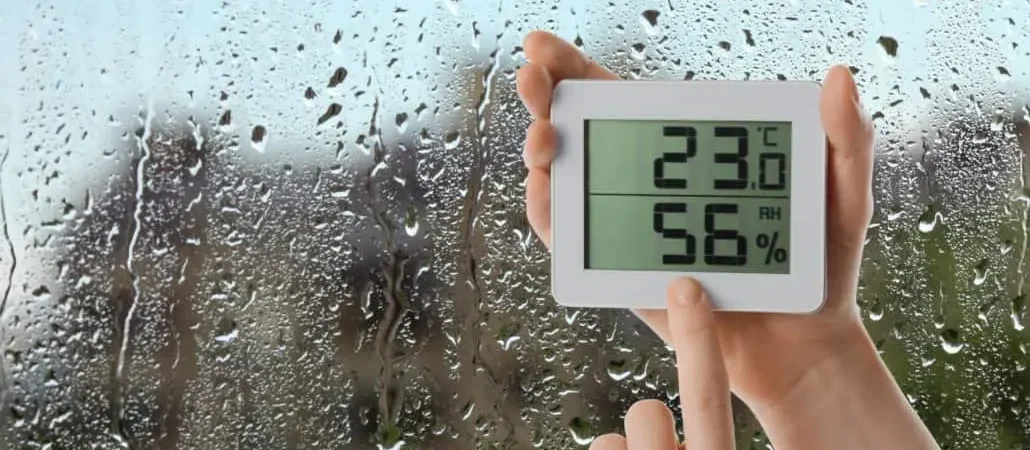
Roughly 50 million Americans deal with allergy or asthma symptoms that are directly worsened by the humidity level inside their own homes — not outside, inside. That single fact reframes the entire conversation. Most articles about indoor humidity treat it like a comfort issue, something you tweak to stop the windows from fogging. But humidity is quietly one of the most powerful variables in your home’s entire ecosystem, affecting everything from how well you sleep to whether your wood floors warp to how fast bacteria multiply on your kitchen counter. Getting a handle on it isn’t optional — it’s foundational.
What Is Indoor Humidity and Why Does It Behave Differently Than Outdoor Air?
Indoor humidity is the amount of water vapor suspended in the air inside a building, typically measured as relative humidity (RH) — a percentage that tells you how much moisture the air holds compared to the maximum it could hold at that temperature. At 50% RH, the air is carrying half of the moisture it’s capable of holding. At 100%, you’ve got condensation forming on every surface.
Here’s what makes indoor humidity its own animal: your home is a sealed container that constantly generates moisture. Cooking, breathing, showering, even houseplants — all of it pumps water vapor into a space that doesn’t have unlimited airflow to carry it away. A family of four can add up to 18 pints of water into their indoor air per day through normal daily activity alone.
Outdoor air can swing from bone-dry to saturated depending on weather, season, and geography. Indoor air, by contrast, tends to accumulate moisture over time unless something actively removes it. That accumulation is what causes mold, warped wood, dust mite explosions, and the kind of chronic stuffiness that people incorrectly blame on poor ventilation alone.
What Is the Ideal Indoor Humidity Level for Health and Comfort?
The EPA and most building scientists agree on a target range of 30% to 50% relative humidity for occupied indoor spaces. Some sources stretch the upper end to 60%, but that’s pushing it — above 60% RH, dust mites reproduce faster, mold finds surfaces hospitable, and VOCs off-gas from furniture and flooring at higher rates. Staying between 40% and 50% is the sweet spot most of the time.
That said, the right level depends on the season and your climate. In winter, running your home at 50% RH might cause condensation on cold windows, which can lead to frame rot and mold along sills. During cold months, pulling humidity down to 30–40% is often the smarter call. You can read more about what counts as indoor humidity in different seasonal and regional contexts to dial in your specific situation.
There’s one counterintuitive truth worth knowing here: air that feels dry doesn’t always have low humidity. A warm room at 60% RH can feel perfectly comfortable to someone standing in it, even though it’s above the safe threshold. Perception isn’t a reliable instrument — a hygrometer is.
| Relative Humidity Level | What It Means for Your Home | Common Season |
|---|---|---|
| Below 30% RH | Dry air, irritated airways, static electricity, cracking wood | Winter (heated homes) |
| 30%–50% RH | Ideal range — comfortable, limits mold and dust mites | Year-round target |
| 50%–60% RH | Borderline — monitor carefully, mold risk begins rising | Spring/Fall transitions |
| Above 60% RH | High risk — mold growth, dust mite proliferation, structural damage | Summer (humid climates) |
How Does Indoor Humidity Actually Affect Your Health?
The mechanism isn’t complicated once you see it clearly. Your respiratory tract is lined with mucous membranes that need moisture to do their job — trapping pathogens, moving debris out, keeping tissues supple. When indoor air drops below 30% RH, those membranes dry out, crack slightly, and lose their effectiveness as a barrier. That’s why people get more colds in winter: it’s not just about cold temperatures, it’s about what dry heated air does to your nose and throat.
On the other end, high humidity creates a different problem. Dust mites — the microscopic creatures living in your mattress, pillows, and upholstered furniture — need humidity above 50% to thrive and reproduce. At 50% or below, their population crashes. Their fecal particles (and yes, that’s what you’re allergic to) are one of the most common indoor asthma and allergy triggers. Controlling humidity is, in a very literal sense, birth control for dust mites.
Mold is the other heavy hitter. Most mold species can begin colonizing a surface within 24 to 48 hours if that surface stays damp and humidity stays above 60%. Mold releases spores and mycotoxins that trigger respiratory inflammation, headaches, fatigue, and in chronic exposure situations, more serious immune responses. The damage isn’t always visible — mold inside wall cavities, under flooring, or in HVAC ducts can affect air quality throughout a home for months before anyone identifies the source.
“Humidity control is one of the most underutilized tools in indoor environmental quality management. Most patients I see with persistent respiratory symptoms live in homes where humidity is either chronically too high or swings wildly between extremes — neither scenario gives the body a chance to regulate properly.”
Dr. Renata Holloway, Board-Certified Allergist and Environmental Health Consultant
What Causes Indoor Humidity to Rise or Fall Without You Noticing?
This is the part most people miss entirely. Humidity in your home doesn’t just change when it rains or when you run a hot shower. It’s shaped by a web of inputs you probably don’t think of as moisture sources. Soil in potted plants releases water vapor continuously. Unvented gas appliances — stoves, space heaters — produce combustion moisture. Even the people in your home add humidity: each person contributes roughly a pint of water vapor per hour through breathing and perspiration during light activity.
Building materials matter too. Concrete slabs and crawl spaces constantly wick ground moisture upward into living spaces, particularly in homes without vapor barriers. A home built on a damp crawl space can have persistently elevated humidity on the first floor regardless of how much you ventilate the upper levels. That’s a structural issue, not a behavior issue — and running a dehumidifier without addressing the source is like bailing a leaky boat without patching the hole.
Temperature changes cause invisible humidity shifts as well. When warm, humid air hits a cold surface — a window, an exterior wall, a cold-water pipe — the moisture condenses. This is called the dew point in action. In winter, this condensation happens inside wall cavities when warm indoor air penetrates insulation and hits cold sheathing, creating the ideal conditions for hidden mold growth. No visible sign, no smell at first — just slow structural damage and degrading air quality.
How Do You Accurately Measure Humidity Indoors?
You can’t feel a 10-point RH difference reliably. At 45% and 55%, most people would say the air feels the same — but those 10 points represent the difference between a dust mite population that’s suppressed and one that’s multiplying. That’s why a hygrometer is non-negotiable if you actually want to manage your indoor air quality rather than guess at it.
Digital hygrometers are inexpensive — decent ones run $10–$25 — and accurate to within 2–3% RH. Place one in each main area you spend time in: bedroom, living room, and basement or crawl space if you have one. Those spaces often behave very differently from each other, and a basement reading of 70% RH is a completely different problem than a bedroom reading of 70% — though both need addressing.
Pro-Tip: Don’t just check your hygrometer in the morning. Humidity levels fluctuate significantly throughout the day — peaking after cooking, showering, or sleeping, and dropping when HVAC systems run. Take readings at different times over a few days to get a true picture of your home’s baseline pattern before buying any equipment.
What Are the Signs Your Home Has a Humidity Problem Right Now?
Condensation on windows in winter is the most obvious signal — it tells you the indoor air is holding more moisture than the cold glass can accommodate. Foggy windows first thing in the morning mean overnight humidity is climbing, often from breathing in a sealed bedroom. Persistent musty odors, even faint ones, usually mean mold or mildew is active somewhere in the home.
Physical symptoms are often the earliest warning system. Waking up with a dry throat or nosebleeds points to humidity below 30%. Persistent allergy symptoms indoors — sneezing, itchy eyes, wheezing — that improve when you leave the house often point to high humidity feeding dust mite or mold growth. Peeling paint, warped hardwood floors, and swelling door frames are structural red flags that moisture has been elevated for a sustained period.
Here’s one scenario that plays out constantly: a homeowner seals their house tightly for energy efficiency — better windows, added insulation, weather stripping everywhere — and then starts noticing allergy symptoms getting worse, not better. Tighter homes trap moisture more effectively. What felt like an upgrade created a humidity problem that didn’t exist before. Energy efficiency and moisture management have to be solved together, not separately.
How Do You Lower High Indoor Humidity Effectively?
The most effective approach depends on where the moisture is coming from. Ventilation removes humid air and replaces it with drier outside air — exhaust fans in bathrooms and kitchens are the first line of defense, but they only work if you actually run them during and after moisture-generating activities, not as an afterthought. A bathroom exhaust fan running for 20 minutes after a shower removes significantly more moisture than one that runs for 5 minutes while you’re still in it.
Dehumidifiers are the heavy lifters for spaces where ventilation isn’t sufficient — basements, rooms without windows, sealed spaces. A whole-home dehumidifier integrated into your HVAC system gives you the most control, but portable units work well for isolated problem areas. Size matters: a 30-pint unit is underpowered for a 1,000-square-foot basement, while a 70-pint unit will cycle constantly and wear out faster than it should in a small bedroom.
Air conditioning is actually a dehumidification tool that most people don’t think of that way. As air passes over the cold evaporator coil inside your AC system, moisture condenses and drains out. A well-functioning central AC system removes a significant volume of moisture from indoor air — but only when it’s running. In shoulder seasons when you’re not running the AC, humidity can spike even in climates where summer is manageable.
How Do You Raise Low Indoor Humidity When the Air Is Too Dry?
Dry air is a winter problem in most climates because cold outdoor air holds very little moisture, and when that air is heated to indoor temperatures, its relative humidity plummets. Air at 30°F and 80% RH outside becomes air at roughly 8% RH once it’s heated to 70°F indoors — extremely dry by any measure. Forced-air heating systems make this worse by moving large volumes of that dry air constantly.
Humidifiers are the direct solution. Whole-home humidifiers installed on the furnace add moisture to air as it circulates, keeping levels consistent throughout the house. Portable evaporative or ultrasonic humidifiers work for individual rooms but require consistent refilling and cleaning — ultrasonic units in particular can spray mineral deposits and microbial contamination into the air if the water reservoir isn’t cleaned regularly. That’s a detail that gets glossed over in most buying guides.
Behavioral adjustments help too, though they won’t solve a severe dry-air problem on their own. Leaving bathroom doors open after showers lets steam distribute through the home. Boiling water on the stove or simmering a pot of water intentionally adds moisture. Indoor plants collectively release water vapor through transpiration — a dozen or more healthy plants in a space can make a measurable difference in RH. These aren’t substitutes for a humidifier, but they’re genuine supplements.
Which Rooms in Your Home Need the Most Humidity Attention?
Not all rooms behave the same, and that’s where a single-point humidity strategy falls apart. Treating your whole home as one humidity environment means you’re probably solving for the average while ignoring the extremes — and the extremes are where the real damage happens.
Here’s a room-by-room breakdown of what to watch for:
- Bedroom: Humidity rises overnight from breathing — a closed bedroom with two adults can climb 10+ RH points by morning. Aim for 40–50% for sleep quality and dust mite control.
- Bathroom: Consistently the highest-humidity room. Use an exhaust fan for every shower and run it for at least 15–20 minutes after.
- Kitchen: Cooking generates significant moisture, especially boiling and steaming. Range hood ventilation is your primary tool here — use it every time, not just when things get smoky.
- Basement: Ground moisture wicks upward constantly. Even a “dry” basement often reads 60–70% RH. A dedicated dehumidifier and vapor barrier are usually both necessary.
- Attic: Rarely monitored, but critically important. Improper ventilation or insulation allows indoor moisture to accumulate in attic spaces, leading to roof deck mold and structural damage.
What Equipment and Strategies Actually Work Long-Term?
Managing indoor humidity long-term isn’t a one-time fix — it’s a system you build and then maintain. The most reliable systems combine multiple approaches rather than relying on a single device or habit. Here’s the order of operations that experienced building scientists and HVAC professionals recommend:
- Identify and fix moisture sources first. No dehumidifier or ventilation strategy works well if you’re fighting a crawl space that floods seasonally or an unsealed vapor barrier situation. Addressing the source is always step one.
- Install hygrometers in key zones. You need data before you buy equipment. Measure for at least a week across different weather conditions and times of day before making purchasing decisions.
- Optimize existing ventilation. Most homes have exhaust fans they underuse. Building a habit of using bathroom and kitchen fans consistently can shift RH levels meaningfully without any new equipment.
- Add targeted dehumidification or humidification. Once you know which rooms run high or low, buy appropriately sized equipment for those specific spaces rather than trying to treat the whole home with portable units.
- Consider whole-home integration. A whole-home humidifier or dehumidifier connected to your HVAC system gives you centralized control and consistent results across all rooms. It’s more expensive upfront but more effective and lower maintenance than managing multiple portable units.
- Check and maintain equipment seasonally. Humidifiers need cleaning before winter startup. Dehumidifiers need coil checks and filter cleaning. A neglected humidifier can become a mold and bacteria dispenser — the opposite of what you’re going for.
Does Indoor Humidity Affect Your Home Structure and Energy Bills Too?
Absolutely — and this is the angle that homeowners rarely consider until something visible goes wrong. Wood is hygroscopic, meaning it absorbs and releases moisture in response to humidity changes. Hardwood floors cupping or gapping, wooden door frames swelling in summer and shrinking in winter, window casings cracking — all of these are humidity problems expressed as structural symptoms. Maintaining consistent humidity between 35% and 50% year-round protects wood-framed structures and finishes as effectively as any sealant or coating.
High humidity also makes your home feel warmer than it actually is — the same reason 85°F at 90% humidity feels unbearable while 85°F at 30% humidity feels manageable. Your body cools itself through sweat evaporation, and evaporation slows dramatically in humid air. When indoor humidity is elevated, you reach for the thermostat before you’d otherwise need to. Lowering humidity can reduce perceived temperature by several degrees, which translates directly into lower cooling costs without changing the actual temperature setting.
Conversely, dry air in winter feels cooler than it is. A home at 68°F and 40% RH feels noticeably warmer than the same room at 68°F and 20% RH. Adding humidity in winter means you can often set the thermostat a couple of degrees lower and feel just as comfortable — again, a direct energy savings. The relationship between humidity and your heating and cooling system isn’t just about equipment performance; it shapes how you actually use that equipment.
What Common Mistakes Make Indoor Humidity Harder to Control?
The biggest mistake is reactive rather than proactive management — waiting until there’s visible mold, warped floors, or chronic allergy symptoms before paying attention to humidity. By the time those signs appear, the problem has usually been compounding for months. A $15 hygrometer and a monthly check is all it takes to catch problems early.
Running a humidifier and a dehumidifier simultaneously in different parts of the same home is another common error — it sounds absurd but it happens regularly in homes where the basement is damp and the upstairs is dry in winter. The solution in that case isn’t to balance the two devices against each other; it’s to address the basement moisture source so the dehumidifier’s workload drops and the humidifier can do its job upstairs without fighting damp air rising from below.
Oversizing dehumidifiers is a real trap too. A unit that’s too large for a space will hit its target humidity level quickly, shut off, and then allow humidity to creep back up — cycling more than it should and wearing out components faster. Matching equipment capacity to the actual square footage and moisture load of the space is worth the extra research before you buy.
The final mistake is treating humidity as a set-it-and-forget-it problem. Seasons change, occupancy changes, and renovation work (new drywall, fresh concrete, new flooring adhesives) can temporarily spike moisture levels dramatically. Humidity management is an ongoing practice, not a one-time calibration — and the homes that handle it best are the ones where someone is actually paying attention.
As building science continues to evolve and homes become more tightly sealed for energy efficiency, humidity management is only going to become more complex — and more consequential. The homes of the future will likely have integrated humidity sensors feeding into smart HVAC systems that adjust continuously. But even now, with simple tools and consistent attention, you have more control over your indoor environment than most people ever realize.
Frequently Asked Questions
Is indoor humidity the same in every room?
No. Bathrooms and kitchens usually have higher humidity than living rooms or hallways.
Can indoor humidity change during the day?
Yes. It often rises in the morning and evening due to daily activities.
Is high humidity always a problem?
Short-term increases are normal. Long-term high levels can cause issues.
Can plants affect indoor humidity?
Yes, but usually only slightly unless there are many plants in a small space.
Does opening windows help reduce humidity?
Yes, controlled ventilation often helps, especially after moisture-producing activities.