
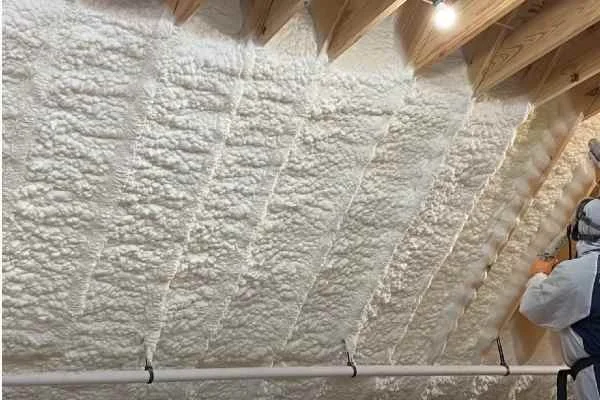
Indoor humidity and insulation are closely connected, especially in apartments. While insulation is usually associated with temperature and energy efficiency, it also plays a major role in how moisture behaves indoors. Poor or uneven insulation can create cold surfaces, trap humidity in certain areas, and increase the risk of condensation—even when overall indoor humidity levels seem normal.
This article explains how insulation affects indoor humidity in apartments, why insulation problems often lead to hidden moisture issues, and how temperature differences created by insulation shape where humidity accumulates. The focus is on understanding the relationship between insulation and moisture, not on construction advice or repairs.
Why Insulation Matters for Indoor Humidity
Insulation controls how heat moves through walls, ceilings, and floors. Because temperature and humidity are directly connected, insulation has a strong influence on moisture behavior indoors.
Proper insulation helps to:
- Keep interior surfaces warmer
- Reduce temperature differences between rooms
- Limit condensation on walls and ceilings
- Prevent localized humidity buildup
When insulation is insufficient or uneven, some surfaces become significantly cooler than the surrounding air, allowing moisture to settle.
How Insulation Affects Moisture Behavior Indoors
Warm air can hold more moisture than cold air. When warm, humid indoor air comes into contact with a poorly insulated surface, the surface temperature may drop below the air’s dew point. This causes moisture to condense—even if indoor humidity levels are not especially high.
In apartments, this process often happens silently, without visible water droplets, leading to hidden humidity problems.
Common Insulation-Related Humidity Issues in Apartments
Insulation problems don’t usually affect an entire apartment evenly. Instead, they create specific zones where humidity behaves differently.
Cold Exterior Walls
Exterior walls with weak insulation tend to be cooler than interior walls. Moisture from indoor air may accumulate along these surfaces, especially in winter.
Corners and Junctions
Corners where walls meet ceilings or floors often have reduced insulation coverage. These areas cool faster and become common spots for condensation and dampness.
Ceiling and Roof Areas
Top-floor apartments may experience humidity issues near ceilings due to heat loss through poorly insulated roofs.
Floors Above Unheated Spaces
Apartments above garages, basements, or entryways may have colder floors that attract moisture from indoor air.
Insulation and Hidden Indoor Humidity Problems
Insulation-related humidity issues are often hidden rather than obvious.
Moisture may build up:
- Behind furniture placed against exterior walls
- Inside wall cavities
- Along insulated surfaces that remain cool
Because these areas are not regularly inspected, humidity can remain elevated for long periods without visible signs.
Why Condensation Often Appears on Poorly Insulated Surfaces
Condensation is one of the most common symptoms linked to insulation issues.
Poor insulation leads to:
- Cold wall or window surfaces
- Larger temperature differences
- Increased condensation risk
This explains why condensation often appears in the same spots repeatedly, even when overall indoor humidity levels are within a normal range.
Insulation vs Ventilation: How They Work Together
Insulation and ventilation influence indoor humidity in different but related ways.
- Insulation affects surface temperature
- Ventilation affects air movement and moisture removal
Even good ventilation may not prevent condensation if surfaces are too cold. Likewise, good insulation may not solve humidity problems if airflow is weak. In apartments, moisture issues often result from a combination of both factors.
Seasonal Effects of Insulation on Indoor Humidity
Winter
In winter, poor insulation becomes more noticeable. Cold exterior walls and ceilings attract moisture, increasing the risk of condensation and damp spots—even when indoor air feels dry.
Summer
In summer, insulated surfaces cooled by air conditioning may become condensation points if warm, humid air enters the apartment. This can lead to moisture buildup on walls or ceilings.
Seasonal temperature shifts explain why insulation-related humidity problems may appear at different times of year.
How Insulation Influences Room-Specific Humidity
Insulation differences often explain why some rooms feel more humid than others.
- Corner rooms: More exterior walls increase exposure to temperature loss
- Bedrooms: Furniture placement against insulated walls can trap moisture
- Bathrooms: Moist air combined with cooler surfaces increases condensation risk
- Living rooms: Often feel more stable due to larger air volume
Humidity patterns often follow insulation quality rather than room usage alone.
Insulation and Mold Risk in Apartments
Insulation does not cause mold directly, but it can create conditions that support mold growth.
When insulation allows surfaces to remain cold:
- Moisture settles more easily
- Damp areas dry slowly
- Mold risk increases over time
Mold linked to insulation issues often develops in hidden areas, such as behind furniture or inside walls, rather than in open spaces.
Why Insulation-Related Humidity Problems Are Often Misunderstood
Many insulation-related moisture issues are mistaken for:
- Poor cleaning
- Seasonal weather changes
- Normal building aging
Because insulation problems are invisible, their impact on humidity is often overlooked until symptoms become persistent.
How Insulation Shapes Long-Term Indoor Humidity Patterns
Over time, insulation determines whether moisture:
- Evaporates naturally
- Condenses repeatedly in the same areas
- Becomes trapped behind surfaces
Apartments with uneven insulation tend to experience recurring humidity symptoms in the same locations, even when daily habits remain unchanged.
Indoor humidity and insulation are closely linked through temperature differences and surface conditions. Poor or uneven insulation can create cold surfaces that attract moisture, leading to condensation, damp areas, and hidden humidity problems—even when indoor humidity levels seem normal.
Understanding how insulation affects moisture behavior helps explain why humidity issues often appear in specific rooms, corners, or behind furniture. By viewing indoor humidity through the lens of insulation rather than moisture alone, apartment residents gain a clearer picture of why some humidity problems persist quietly and return season after season.
Frequently Asked Questions
Can poor insulation cause high indoor humidity?
It can contribute by creating cold surfaces where moisture accumulates.
Why do damp spots appear only in certain areas?
These areas often have weaker insulation or greater heat loss.
Can insulation-related humidity problems appear without leaks?
Yes. Temperature differences alone can cause moisture buildup.
Is insulation more important in winter or summer?
Its effect is more visible in winter but still matters year-round.
Can insulation issues cause hidden mold?
It can contribute by creating cold surfaces where moisture accumulates.