
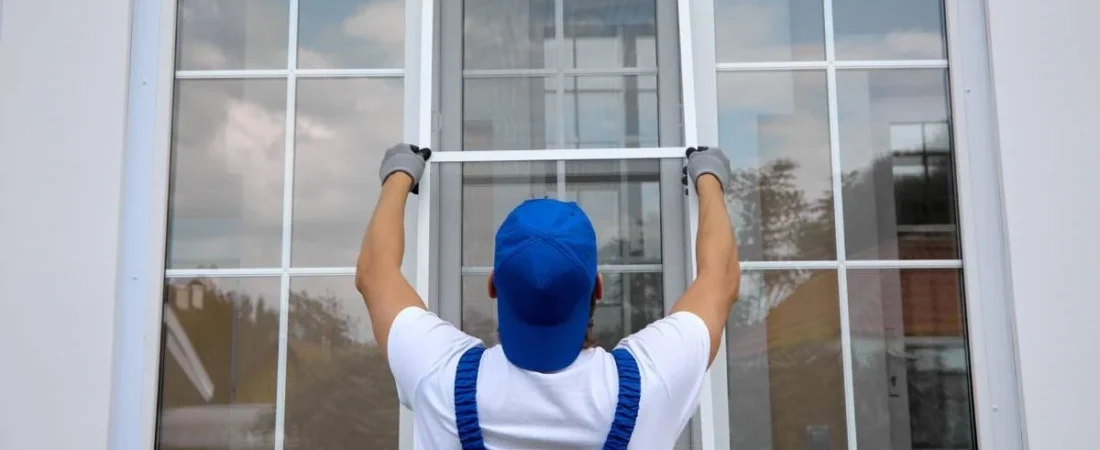
Many people expect their home to feel drier and more comfortable after installing new windows. Instead, they are often surprised to see condensation, heavier air, or damp walls appearing shortly afterward. Rooms that previously felt normal may suddenly show signs of moisture, especially in colder weather.
Indoor humidity after installing new windows increases not because the windows are faulty, but because the home’s air exchange and moisture balance change. New windows seal the building more tightly, altering how moisture enters, moves, and leaves indoor spaces.
Why New Windows Change Indoor Humidity
Modern windows are designed to be airtight. They reduce drafts, improve insulation, and prevent heat loss. While this improves energy efficiency, it also reduces natural ventilation that older windows provided unintentionally.
Before replacement, small air leaks allowed humid indoor air to escape and drier outdoor air to enter. After installing new windows, this passive air exchange is greatly reduced, allowing moisture to remain indoors longer.
This shift often makes indoor humidity more noticeable.
Reduced Air Exchange Traps Moisture
Everyday activities generate moisture continuously. Breathing, cooking, showering, and even drying clothes indoors add water vapor to the air.
In a more airtight home, this moisture has fewer escape routes. Instead of leaving gradually through gaps and cracks, it accumulates indoors and raises overall humidity levels.
This is why humidity issues often appear weeks or months after window replacement rather than immediately.
Why Condensation Appears on New Windows
Condensation on new windows is a common complaint. While new windows are better insulated, the glass can still be cooler than indoor air, especially at night or during cold weather.
When humid indoor air meets this cooler glass, moisture condenses. The difference is that the moisture is now trapped inside rather than leaking out.
Condensation reveals moisture that was already present but previously dispersed.
Temperature Differences Become More Noticeable
New windows often improve insulation unevenly. Walls, corners, and structural elements may remain cooler than the new window frames or glass.
This creates temperature differences that encourage condensation on specific surfaces. Moisture settles where surfaces are coolest, even if the room feels warm overall.
These localized effects make humidity problems feel sudden and unexpected.
Why Humidity Feels Worse After Upgrades
After installing new windows, indoor air often feels heavier or more stagnant. This is not because more moisture is being produced, but because existing moisture is no longer diluted by fresh air.
Airflow patterns change, and stale air lingers longer. As a result, humidity becomes more perceptible, especially in bedrooms, living rooms, and enclosed spaces.
The discomfort reflects reduced air renewal rather than poor window performance.
Why Problems Appear in Certain Rooms First
Humidity issues after window replacement often appear first in:
- bedrooms
- living rooms with large windows
- rooms with exterior walls
- corners and areas behind furniture
These spaces dry more slowly and experience larger temperature differences. Moisture accumulates there before spreading elsewhere.
This pattern helps distinguish ventilation-related humidity from leaks.
Seasonal Effects After Installing New Windows
Humidity changes are often most noticeable in winter. Outdoor air is cold and dry, but indoor air becomes humid due to reduced ventilation and heating.
Cool window surfaces amplify condensation, making moisture issues more visible. In warmer seasons, humidity may still be present but less obvious.
Seasonal contrast explains why issues often appear months after installation.
New Windows vs Old Moisture Balance
Older homes relied on unintentional ventilation. New windows remove this mechanism without replacing it.
The home’s moisture balance shifts from “leaky but dry” to “sealed but humid.” This transition requires adjustments in how moisture is managed indoors.
Without understanding this change, humidity problems can feel like an unexpected side effect of improvement.
When Increased Humidity Is Normal
A temporary increase in indoor humidity after installing new windows is common. The home is adjusting to new airflow conditions.
If moisture levels stabilize and condensation remains minimal, this adjustment period is usually harmless.
Normal patterns include:
- mild condensation during cold nights
- humidity changes that vary with activity
- moisture clearing with air exchange
When Humidity After Window Installation Is a Concern
Humidity deserves attention when it becomes persistent or worsens over time.
Warning signs include frequent condensation, musty odors, damp walls, or moisture appearing in multiple rooms. These patterns suggest that moisture is not leaving the home efficiently.
This does not indicate defective windows, but rather insufficient air exchange for the new level of airtightness.
Indoor humidity after installing new windows increases because airtight construction reduces natural air exchange. Moisture from everyday living remains indoors longer, making humidity more noticeable and condensation more likely.
New windows do not cause humidity problems — they reveal them by changing how air and moisture move through the home. Understanding this shift helps explain why moisture appears after improvements and why managing airflow becomes more important in well-sealed homes.
Frequently Asked Questions
Is it normal to see condensation after installing new windows?
Yes, especially during colder weather.
Do new windows cause humidity problems?
No — they reduce air exchange, allowing moisture to build up.
Why didn’t this happen before window replacement?
Because old windows leaked air and moisture escaped.
Will humidity decrease on its own?
Sometimes, but persistent issues require better moisture balance.