
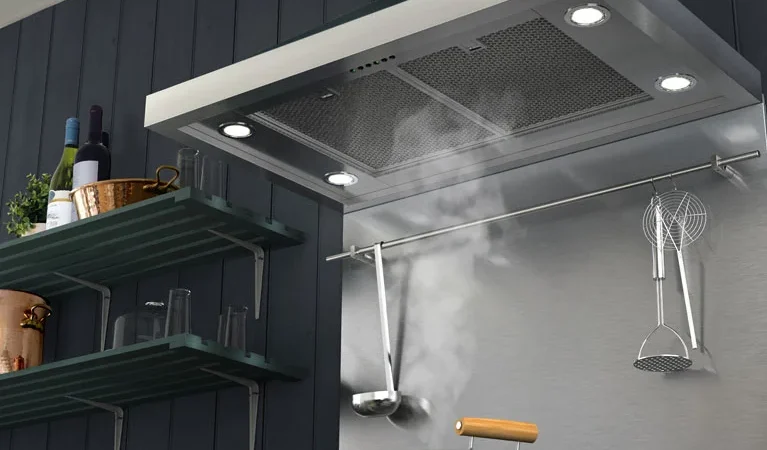
The sizzle of garlic hitting hot oil. The aromatic steam rising from a pot of curry. The golden-brown crust forming on pan-fried chicken. Cooking at home creates sensory experiences we associate with nourishment, comfort, and family connection. But there’s an invisible consequence to these daily rituals: cooking fumes containing fine particulate matter (PM2.5) at concentrations that frequently exceed 100-250 µg/m³—levels 20 to 50 times higher than WHO’s 24-hour guideline of 15 µg/m³ and dramatically above the 5 µg/m³ annual guideline. Research tracking residential cooking demonstrates that hourly residential PM2.5 concentrations can exceed 300 µg/m³ with cooking events, and longitudinal studies link long-term exposure to cooking fumes with lung cancer risk, particularly in poor ventilation situations. For the billions worldwide who cook daily without adequate exhaust ventilation, this isn’t academic theory—it’s chronic respiratory exposure equivalent to passive smoking or living near major highways.
Studies measuring real-world cooking emissions document that range hood use during cooking significantly reduced indoor PM2.5 by 81 µg/m³ (37%) in kitchens and 294 µg/m³ (79%) in living rooms,
proving effective capture ventilation prevents fume dispersion throughout homes. Yet field research reveals most people don’t use exhaust fans consistently, allowing cooking-generated particles to infiltrate bedrooms, living spaces, and lungs. Cross-sectional studies measuring biomarkers after cooking fume exposure show increased oxidative damage and decreased lung function among those regularly exposed. Children living in homes where exhaust fans weren’t used during gas stove operation had lower lung function and higher odds of asthma, wheeze, and bronchitis compared to homes with consistent ventilation. This comprehensive guide examines exactly why kitchen ventilation is critical for lung health, explains the specific pollutants in cooking fumes and their respiratory impacts, and provides evidence-based strategies to dramatically reduce exposure through proper exhaust ventilation, cooking method modifications, and behavioral changes that protect your family’s lungs without sacrificing home-cooked meals.
What’s in Cooking Fumes: The Chemical Cocktail You’re Breathing
Cooking fumes aren’t simply “steam” or “aromatic vapors”—they’re complex mixtures of gaseous and particulate pollutants generated through multiple mechanisms during food preparation.
The Primary Components
Particulate Matter (PM2.5 and ultrafine particles):
- Solid and liquid droplets <2.5 microns (PM2.5) and <0.1 microns (ultrafine)
- Composed of: Partially combusted organic compounds, oil droplets, food particles, combustion byproducts
- Most health-relevant component due to deep lung penetration
Nitrogen Dioxide (NO2):
- Produced by gas stove combustion
- Respiratory irritant causing airway inflammation
- Homes with gas stoves average nearly 3 times higher NO2 than electric stove homes
Carbon Monoxide (CO):
- From incomplete combustion (gas stoves, high-heat cooking)
- Binds to hemoglobin, reducing oxygen delivery
- Can reach unsafe levels with prolonged gas stove use in poorly ventilated kitchens
Polycyclic Aromatic Hydrocarbons (PAHs):
- Form when fats/oils/meat are heated to high temperatures
- Many PAHs are carcinogenic
- Especially concentrated in frying and grilling fumes
Volatile Organic Compounds (VOCs):
- Include aldehydes (formaldehyde, acrolein), benzene, toluene
- Released from heated oils and burning/browning food
- Respiratory irritants; some carcinogenic
Ultrafine particles (UFPs, <0.1 micron):
- Even smaller than PM2.5
- Penetrate deepest into lungs and potentially enter bloodstream
- Generated abundantly during high-temperature cooking
Why This Matters
Unlike outdoor air pollution you can avoid by staying inside, cooking fume exposure is unavoidable unless you implement specific mitigation strategies. You’re in the kitchen, breathing directly at the source, often for 30-90 minutes per cooking session, multiple times daily. Without exhaust ventilation, these pollutants disperse throughout your home, creating hours-long exposure for all occupants.
PM2.5: The Primary Threat to Lung Health
While cooking fumes contain multiple pollutants, PM2.5 drives the majority of documented health risks due to its prevalence, concentration, and biological impacts.
What Makes PM2.5 Dangerous
Size enables deep penetration: At ≤2.5 microns diameter, PM2.5 particles bypass upper respiratory defenses (nose, throat) and deposit deep in alveoli (lung air sacs) where gas exchange occurs.
Some particles enter bloodstream: The smallest PM2.5 and ultrafine particles can cross alveolar walls into capillaries, traveling throughout the body and affecting cardiovascular, neurological, and other systems.
Surface area and reactivity: Small particles have disproportionately large surface area relative to mass, allowing them to carry more toxic compounds (PAHs, heavy metals, organic chemicals) per particle.
No safe threshold: Research shows no known safe threshold for PM2.5 exposure—lower is always better. Even concentrations below guidelines cause measurable health effects at population levels.
Cooking PM2.5 Concentrations vs. Guidelines
WHO Guidelines (2021):
- 5 µg/m³ annual average (health-protective)
- 15 µg/m³ 24-hour average
U.S. EPA Standards (2024):
- 9 µg/m³ annual
- 35 µg/m³ 24-hour
Actual cooking-generated PM2.5:
- 100-250+ µg/m³ during pan-frying or grilling without ventilation
- Peaks can exceed 300 µg/m³ in residential kitchens
- Even with ventilation, concentrations often reach 50-100 µg/m³ during cooking
Translation: Cooking without exhaust ventilation creates PM2.5 exposures 3-50 times higher than health-protective guidelines for the duration of cooking plus hours afterward as particles remain suspended.
The Exposure Math
Example scenario:
- 1 hour cooking with PM2.5 at 200 µg/m³
- 7 hours post-cooking with PM2.5 at 30 µg/m³ (as particles settle and disperse)
- 16 hours background at 8 µg/m³
24-hour weighted average: ~42 µg/m³—nearly 3 times EPA’s 24-hour standard and 8 times WHO’s guideline, from just one hour of cooking.
Over a year: Daily cooking exposure can dominate personal PM2.5 burden, potentially exceeding outdoor air pollution exposure for those living in clean air regions.
How Cooking Fumes Damage Your Lungs
Understanding specific mechanisms through which cooking fumes harm respiratory health clarifies why prevention matters profoundly.
Acute Inflammatory Response
Immediate particle deposition triggers:
- Release of inflammatory cytokines (IL-6, TNF-α, IL-8)
- Activation of immune cells (macrophages, neutrophils)
- Increased mucus production
- Airway constriction
Research documentation: Studies exposing lung cells (A549 alveolar cells) to cooking oil fume PM2.5 show dose-dependent decreases in cell viability, increased reactive oxygen species (ROS), and elevated inflammatory markers.
Clinical manifestation: Coughing, throat irritation, chest tightness, wheezing during or immediately after cooking—symptoms many dismiss as “normal” but indicating airway inflammation.
Oxidative Stress and Cellular Damage
Mechanism: Reactive oxygen species generated by inhaled particles overwhelm cellular antioxidant defenses, causing oxidative damage to lipids, proteins, and DNA.
Evidence: Cross-sectional studies measuring biomarkers show increased oxidative damage (measured as urinary 8-hydroxy-2′-deoxyguanosine, a DNA damage marker) in cooks exposed to cooking oil fumes.
Consequences: Oxidative stress contributes to:
- Chronic inflammation
- Cellular dysfunction
- Increased cancer risk (DNA damage accumulation)
- Accelerated aging of lung tissue
Impaired Lung Function
Documented impacts:
- Decreased FEV1 (forced expiratory volume): Measure of how much air you can forcefully exhale in 1 second
- Reduced peak flow: Maximum speed of exhalation
- Accelerated lung function decline: Studies show former smokers with higher indoor PM2.5 exposure experienced faster lung function deterioration
One study found: Exposure to cooking fumes caused acute reversible decrement in lung functional capacity among exposed individuals, with recovery after exposure cessation but recurrence with repeated exposure.
Chronic Inflammatory Airway Disease
Repeated exposure leads to:
- Chronic bronchitis: Persistent cough and mucus production
- COPD (Chronic Obstructive Pulmonary Disease): Progressive airflow limitation
- Asthma development or exacerbation: Increased airway hyperresponsiveness
Particularly concerning: Children exposed to unventilated cooking fumes show lower lung function and higher odds of asthma, wheeze, and bronchitis, indicating developmental impacts from early-life exposure.
Cardiovascular Effects
Beyond lungs: PM2.5 entering bloodstream affects cardiovascular system:
- Systemic inflammation
- Endothelial dysfunction (blood vessel damage)
- Increased blood clotting risk
- Elevated blood pressure
- Atherosclerosis progression
Decades of research document: Long-term PM2.5 exposure increases risk of premature death in people with existing heart or lung disease and is linked with increased risk of developing chronic heart conditions.
Cancer Risk
Longitudinal studies: Long-term exposure to cooking fumes associated with lung cancer risk, especially in poor ventilation situations.
Mechanism: PAHs and other carcinogens in cooking fumes cause DNA mutations. Repeated exposure + inadequate DNA repair = accumulated mutations → cancer development.
Population impact: Research estimates cooking fume exposure contributes significantly to lung cancer cases among never-smokers, particularly women in cultures with high-temperature oil cooking traditions.
Cooking Methods and Emission Levels: Frying vs. Boiling
Not all cooking generates equal pollution. Temperature and cooking method dramatically affect emission rates.
High-Emission Cooking Methods
Deep frying / Pan frying:
- Highest PM2.5 generation: 100-300+ µg/m³ peaks
- Mechanism: Oil heated to 350-400°F+ volatilizes, creating aerosols; food moisture explosively vaporizes, carrying oil droplets
- PAH formation: High temperatures break down fats into carcinogenic compounds
Grilling / Broiling:
- Very high emissions: 150-250 µg/m³
- Fat dripping onto heating elements combusts, creating smoke-rich in PM and PAHs
- Direct high-heat exposure to food surfaces generates toxic compounds
Stir-frying (high heat):
- High emissions: 80-200 µg/m³
- Rapid high-temperature cooking with oil
- Particularly problematic with insufficient ventilation
- Traditional wok cooking at very high heat generates substantial fumes
Sautéing:
- Moderate-high emissions: 50-150 µg/m³
- Similar mechanism to stir-frying but typically lower temperatures
Moderate-Emission Cooking Methods
Baking:
- Moderate emissions: 30-80 µg/m³
- Enclosed cooking reduces direct emission to kitchen air
- Still generates PM from food browning/burning
Roasting:
- Moderate emissions: 40-100 µg/m³
- Fat rendering and food browning create particles
- Oven containment limits but doesn’t eliminate emissions
Low-Emission Cooking Methods
Boiling / Simmering:
- Low emissions: 10-30 µg/m³
- No oil heating; lower temperatures
- Primarily water vapor with minimal particulates
Steaming:
- Very low emissions: 5-20 µg/m³
- Minimal particle generation
- Healthiest cooking method for air quality
Slow cooking / Pressure cooking:
- Low emissions: 15-40 µg/m³
- Enclosed cooking at moderate temperatures
- Minimal escape of particles during cooking
Emission Comparison Table
| Cooking Method | Typical Peak PM2.5 (µg/m³) | Times Above WHO Guideline (15 µg/m³) | Primary Emission Source |
|---|---|---|---|
| Deep Frying | 200-300+ | 13-20x | Oil volatilization, aerosol formation |
| Pan Frying | 100-250 | 7-17x | Oil heating, food-oil interaction |
| Grilling (Indoor) | 150-250 | 10-17x | Fat combustion, high-heat smoke |
| Stir-Frying (High Heat) | 80-200 | 5-13x | Rapid oil heating, splatter |
| Sautéing | 50-150 | 3-10x | Moderate oil heating |
| Baking | 30-80 | 2-5x | Food browning, enclosed space limits escape |
| Roasting | 40-100 | 3-7x | Fat rendering, browning |
| Boiling | 10-30 | 0.7-2x | Minimal; water vapor primarily |
| Steaming | 5-20 | 0.3-1.3x | Very low; enclosed moisture cooking |
| Slow Cooking | 15-40 | 1-3x | Low-temperature enclosed cooking |
Critical finding: Simply switching from frying to boiling/steaming reduces PM2.5 generation by 80-95%.
Gas Stoves vs. Electric: The Combustion Difference
Beyond cooking method, stove type affects baseline pollutant generation.
Gas Stove-Specific Emissions
Nitrogen Dioxide (NO2):
- Produced by combustion of natural gas
- Homes with gas stoves: Average NO2 levels nearly 3x higher than electric stove homes
- Respiratory irritant even without cooking food
Carbon Monoxide (CO):
- Incomplete combustion byproduct
- Can build to unsafe levels with prolonged use in poorly ventilated spaces
- Requires CO detectors in kitchens with gas stoves
Ultrafine particles:
- Combustion generates UFPs even before food is heated
- Added to food-generated particles = higher total exposure
Formaldehyde and other VOCs:
- Released during gas combustion
- Carcinogenic and respiratory irritants
Health Impact Differential
Children in homes with unventilated gas stoves: Show lower lung function and higher odds of asthma, wheeze, and bronchitis compared to homes with exhaust fan use or electric stoves.
Asthma exacerbation: NO2 from gas stoves worsens symptoms in individuals with existing asthma.
Cumulative effect: Gas combustion emissions ADD to cooking-generated particles, creating higher total exposure than electric stoves cooking identical food.
Electric Stoves Still Generate Cooking Fumes
Important clarification: Switching to electric doesn’t eliminate cooking pollution—it only removes combustion-specific pollutants (NO2, CO, combustion UFPs).
Electric stoves still produce:
- Food-and-oil-generated PM2.5
- PAHs from high-temperature cooking
- VOCs from heated oils and browning
Evidence: Research confirms proper ventilation is critical regardless of stove type—electric stoves cooking at high temperatures generate substantial PM2.5 requiring exhaust capture.
Range Hood Effectiveness: The 37-79% Reduction Evidence
Understanding how much ventilation helps motivates consistent use and proper installation.
Research-Documented Reductions
Field study measuring real homes:Keeping the range hood on during cooking significantly reduced indoor PM2.5 levels compared with no ventilation:
- Kitchen PM2.5 reduction: 81 µg/m³ decrease (37% reduction)
- Living room PM2.5 reduction: 294 µg/m³ decrease (79% reduction)
Key finding: Range hoods captured a fraction of cooking fumes before they dispersed to living spaces, providing even greater protection to occupants outside the kitchen than those cooking.
Window opening effectiveness: Opening kitchen windows during cooking also improved ventilation, though less effectively than range hoods. Combination of range hood + window opening provided maximum reduction.
Capture Efficiency Variables
Not all range hoods perform equally:
Exhaust type:
- Ducted (vented to outside): 60-90% capture efficiency with proper installation
- Recirculating (filter and return): 20-40% capture (particles captured by filters but gases recirculated; filters require frequent replacement)
CFM (Cubic Feet per Minute) airflow:
- Minimum 100 CFM for light cooking
- 200-300 CFM for moderate cooking
- 400+ CFM for high-heat/commercial-style cooking
- Higher CFM = better capture but also more noise
Hood design and positioning:
- Wall-mounted hoods: Good if covers full cooktop width + 3-6 inches overhang
- Over-the-range microwaves with ventilation: Often inadequate CFM (<200); better than nothing but suboptimal
- Island hoods: Require higher CFM (20-30% more) due to exposed perimeter
Installation height:
- 24-30 inches above cooktop for gas stoves
- 20-24 inches for electric stoves
- Too high = reduced capture efficiency
Proper Use Protocol
Effectiveness requires:
- Turn on BEFORE cooking begins (establishes airflow pattern before pollutant generation)
- Use maximum setting during high-heat cooking (noise concerns are secondary to health)
- Continue running 5-10 minutes after cooking ends (clears residual particles)
- Use EVERY time you cook, not just when “needed” (exposure is cumulative)
Research shows: Most people don’t follow these protocols, drastically reducing real-world effectiveness despite capable equipment.
Who Is Most Vulnerable to Cooking Fume Exposure?
While everyone experiences health impacts from cooking fume exposure, certain populations face disproportionate risk.
Children
Heightened vulnerability:
- Higher respiratory rates = proportionally greater pollutant inhalation per body weight
- Developing lungs particularly susceptible to inflammatory damage
- More time at home = higher cumulative exposure
- Closer to floor where particles settle
Evidence: Children in homes without exhaust fan use during cooking show measurably lower lung function and higher asthma, wheeze, and bronchitis rates.
Individuals with Pre-Existing Respiratory Conditions
Asthma, COPD, bronchitis sufferers:
- Cooking fumes trigger acute exacerbations
- NO2 from gas stoves particularly problematic
- Even low-level exposures cause symptom worsening
PM2.5 impact: Research confirms exposure worsens existing heart or lung conditions and can trigger attacks, hospitalizations, or mortality in severe cases.
Pregnant Women
Concerns:
- Maternal PM2.5 exposure linked to adverse birth outcomes
- Reduced fetal growth
- Preterm birth risk
- Developmental impacts
Elderly Individuals
Age-related vulnerability:
- Reduced lung capacity and repair mechanisms
- Higher prevalence of cardiovascular and respiratory disease
- Greater susceptibility to PM2.5-induced health events
Primary Cooks (Occupational Exposure)
Restaurant workers, professional cooks, and home cooks preparing multiple meals daily:
- Cumulative exposure over years/decades
- Epidemiological evidence links long-term cooking fume exposure to elevated lung cancer risk
- Oxidative damage biomarkers elevated in occupationally exposed individuals
Communities with Environmental Justice Concerns
Disproportionate impacts:
- Black and Asian populations exposed to higher baseline PM2.5 levels (1.3-1.5x white populations in some regions)
- Cooking pollution adds to already-elevated total burden
- Smaller homes concentrate pollution more
- Less access to high-quality ventilation equipment
Chronic Exposure: Long-Term Health Consequences
Years or decades of cooking without adequate ventilation creates cumulative impacts exceeding acute effects.
Lung Cancer
Epidemiological evidence: Longitudinal studies find associations between long-term exposure to cooking fumes and lung cancer risk, especially in poor ventilation situations.
Particularly striking: Lung cancer in never-smoking women, especially in Asian populations, partially attributed to decades of high-heat cooking oil fume exposure.
Mechanism: PAHs and other carcinogens in cooking fumes cause DNA mutations. Without adequate DNA repair, accumulated mutations → malignant transformation.
Chronic Obstructive Pulmonary Disease (COPD)
COPD develops from:
- Chronic inflammation and oxidative stress
- Progressive airway remodeling
- Destruction of alveoli (emphysema)
Research links: Indoor air pollution from cooking associated with COPD development and progression, particularly in individuals without smoking history.
Cardiovascular Disease
PM2.5 systemic effects:
- Chronic inflammation damaging blood vessels
- Atherosclerosis (plaque buildup)
- Increased myocardial infarction (heart attack) risk
- Stroke risk elevation
Evidence: Long-term PM2.5 exposure from all sources, including cooking, increases cardiovascular morbidity and mortality.
Accelerated Lung Function Decline
Normal aging: Lung function (FEV1) declines ~25-30 mL per year after age 30.
With chronic PM2.5 exposure: Decline accelerates to 35-50+ mL per year.
Cumulative impact: Over 20-30 years, this difference means reaching symptomatic respiratory impairment a decade earlier than otherwise.
Evidence-Based Solutions to Reduce Cooking Fume Exposure
Research identifies specific interventions proven to reduce PM2.5 and protect lung health.
Solution 1: Use Range Hood Every Time You Cook
Implementation:
- Turn on before lighting stove
- Use highest setting tolerable (noise trade-off worth health benefit)
- Run 5-10 minutes after cooking ends
- Never skip, even for “quick” cooking
Expected outcome: 37-79% reduction in PM2.5 exposure throughout home.
Solution 2: Switch to Lower-Emission Cooking Methods
Practical substitutions:
- Bake instead of fry
- Steam instead of grill
- Simmer instead of stir-fry at very high heat
- Use lower cooking temperatures when possible
Impact: 80-90% reduction in PM2.5 generation for many meal preparations.
Solution 3: Cook on Back Burners
Why it matters: Back burners sit directly under hood capture zone, while front burners allow more pollutants to escape into kitchen air.
Research finding: Consistent back-burner cooking increases capture efficiency 10-20% compared to front-burner use.
Solution 4: Open Windows While Cooking
If no exhaust hood: Window opening provides some ventilation, though far less effective than proper exhaust.
With exhaust hood: Opening window provides makeup air (replacement for exhausted air), improving hood performance and preventing negative pressure.
Caveat: Don’t open windows if outdoor air quality is poor (wildfire smoke, high pollution days).
Solution 5: Use Lids on Pots and Pans
Mechanism: Lids contain cooking fumes, reducing particle release into kitchen air.
Effectiveness: Modest (10-30% reduction) but every reduction helps, especially when combined with other strategies.
Solution 6: Upgrade Ventilation Equipment
If current hood inadequate:
- Install ducted hood with 200-400 CFM capacity
- Ensure proper duct size (6-8 inch diameter minimum)
- Duct should be as short and straight as possible (avoid unnecessary bends)
- Terminate outdoors, never into attic or crawl space
Cost: $500-2,500 installed, depending on complexity.
Solution 7: Portable Air Purifiers with HEPA Filters
Supplement, not replacement: Air purifiers capture particles AFTER they’ve dispersed but can’t match source capture effectiveness of range hoods.
Best practice: Run in kitchen and adjacent rooms during and after cooking.
Limitations: Don’t capture gases (NO2, CO, VOCs), only particulates.
Solution 8: Reduce Cooking Frequency/Duration
Practical considerations:
- Batch cook less frequently
- Use slow cooker or pressure cooker (lower emissions, enclosed)
- Eat out or order in occasionally to reduce home cooking exposure
- Consider outdoor grilling for high-emission cooking
Proper Range Hood Selection and Use
Since range hoods provide the most effective protection, understanding selection and use optimization is critical.
Sizing Your Range Hood
CFM calculation:
- Cooktop width × 10 = minimum CFM for moderate cooking
- Example: 30-inch cooktop → 300 CFM minimum
- Add 100-200 CFM for frequent high-heat cooking
- Add 30% if island installation (no wall backing)
Practical guidance:
- Small apartment kitchen (electric stove, light cooking): 200-300 CFM adequate
- Standard home kitchen (gas stove, regular cooking): 300-400 CFM recommended
- Serious home cooking (frequent frying, grilling, wok): 400-600+ CFM
Ducted vs. Recirculating
Ducted (vented to outside):
- Pros: 60-90% capture efficiency; removes all pollutants (particles + gases)
- Cons: Requires ductwork installation; outdoor wall or roof penetration
- Strongly preferred when feasible
Recirculating (filter + return):
- Pros: Easy installation; no ductwork needed
- Cons: 20-40% capture efficiency; only captures particles (not gases); requires frequent filter replacement ($50-100/year)
- Use only when ducted installation impossible
Pro-Tip: If recirculating is only option, add standalone carbon filter air purifier to capture gases range hood misses.
Maintenance
Critical for sustained effectiveness:
- Clean grease filters monthly (dishwasher-safe mesh filters)
- Replace charcoal filters every 3-6 months (recirculating hoods)
- Check and clean duct annually (grease buildup reduces airflow and creates fire hazard)
- Verify outdoor vent cap not blocked by nests, debris
Neglected hoods: Can lose 50-70% effectiveness from grease accumulation and filter saturation.
Overcoming Barriers to Use
Common objections:
“It’s too loud” → Modern hoods offer quiet operation (<3 sones at low-medium speed); noise is temporary, lung damage is permanent
“It pulls out heating/cooling” → Energy loss minimal compared to health costs; makeup air improves efficiency
“I forget to turn it on” → Install switch near eye level; create habit of turning on before lighting stove
“I only cook for a few minutes” → Exposure is cumulative; every cooking event adds to total burden
Comparison Table: Cooking Fume Mitigation Strategy Effectiveness
| Strategy | PM2.5 Reduction | Ease of Implementation | Cost | Additional Benefits |
|---|---|---|---|---|
| Use Range Hood (Ducted) | 37-79% | Easy (if installed) | $0 operation; $500-2,500 installation | Removes gases (NO2, CO) + particles |
| Switch to Low-Emission Cooking (Boil/Steam) | 80-95% vs. frying | Moderate (lifestyle change) | $0 | Often healthier meal preparation |
| Cook on Back Burners | 10-20% additional capture | Very easy | $0 | Better hood effectiveness |
| Open Windows While Cooking | 30-50% (without hood) | Easy | $0 | Fresh air circulation |
| Use Lids on Cookware | 10-30% | Very easy | $0 | Faster cooking, energy savings |
| Upgrade to Ducted Range Hood | 60-80% (from baseline) | Difficult (professional installation) | $500-2,500 | Permanent solution |
| Portable HEPA Air Purifier | 20-40% (supplemental) | Easy | $150-600 + filters | Removes other particulates |
| Switch Gas → Electric Stove | Eliminates NO2, CO; reduces UFP | Difficult | $500-3,000+ | Removes combustion pollutants |
| Reduce Cooking Frequency | Variable (proportional) | Moderate | Variable | Less time cooking |
Your Lungs Depend on Kitchen Ventilation You Control
Cooking fumes aren’t benign aromas—they’re documented respiratory hazards generating PM2.5 concentrations of 100-300+ µg/m³, creating exposures 20-50 times higher than WHO health guidelines every time you cook without proper exhaust ventilation. Research proves these exposures cause measurable lung damage: decreased lung function, increased asthma risk in children, chronic inflammation, oxidative stress, and elevated lung cancer risk with decades of exposure. The tragedy is that effective protection exists and is simple to implement: using a ducted range hood reduces PM2.5 by 37% in kitchens and 79% in living rooms, preventing cooking fume dispersion that exposes your entire household to respiratory toxins for hours after every meal.
Your action framework starts tonight in your kitchen. Turn on that range hood before igniting the stove. Use the maximum setting you can tolerate during frying or high-heat cooking. Let it run 10 minutes after you finish. These three behaviors, costing nothing and requiring minimal effort, can reduce your family’s cooking fume exposure by 60-80%. For the price of tolerating fan noise during cooking, you protect developing lungs in children, prevent asthma exacerbations, and reduce cumulative exposure that drives long-term disease.
Beyond ventilation, modify cooking methods. Boil and steam instead of fry when possible. Bake rather than grill indoors. Use lower temperatures and lids. Cook on back burners. These changes feel like compromises initially but become habits protecting lungs meal after meal, year after year. The families with the best respiratory health aren’t those avoiding home cooking—they’re those who recognized that how you cook matters as much as what you cook and implemented evidence-based strategies to enjoy home-prepared meals without sacrificing lung health.
If you lack proper exhaust ventilation, make installation a priority. A $1,000-2,000 investment in a quality ducted range hood provides decades of protection worth thousands in prevented medical costs, lost productivity, and reduced quality of life from respiratory disease. This isn’t optional home improvement—it’s essential health infrastructure as important as clean water or structural safety.
Take action today. Use your range hood for tonight’s dinner. Open a window if you lack proper exhaust. Switch from frying to baking or steaming. Every meal cooked with proper ventilation is a meal where your lungs aren’t exposed to PM2.5 concentrations proven to cause inflammation, oxidative damage, and progressive respiratory impairment. Your lungs can’t avoid the cooking fumes you generate—only you can prevent exposure through ventilation choices made in your kitchen every single day.
Frequently Asked Questions
How harmful are cooking fumes without a range hood?
Very harmful with chronic exposure. Cooking without ventilation generates PM2.5 concentrations of 100-300 µg/m³—up to 20-50x WHO guidelines. Research shows this causes decreased lung function, increased asthma risk in children, and elevated lung cancer risk with long-term exposure. Range hoods reduce kitchen PM2.5 by 37% and living room exposure by 79%, preventing fume dispersion throughout homes.
What cooking method produces the most dangerous fumes?
Deep frying and pan frying generate highest PM2.5 (200-300+ µg/m³), 13-20x WHO guidelines, from oil volatilization at high temperatures creating toxic aerosols and PAHs (carcinogens). Grilling indoors also produces very high emissions (150-250 µg/m³). Boiling and steaming generate minimal fumes (5-30 µg/m³)—switching from frying to steaming reduces emissions by 80-95%.
Are gas or electric stoves worse for indoor air quality?
Gas stoves are worse—they add combustion pollutants (NO2, CO, ultrafine particles) to food-generated emissions. Homes with gas stoves have nearly 3x higher NO2 than electric homes. Children in unventilated gas stove homes show lower lung function and higher asthma rates. However, both require exhaust ventilation since electric stoves still generate substantial PM2.5 from food cooking.
How long should I run the range hood after cooking?
Run range hood 5-10 minutes after cooking ends to clear residual particles. Also turn on BEFORE starting to cook (establishes airflow pattern before pollutant generation) and use maximum setting during high-heat cooking. Consistent use following this protocol provides documented 37-79% reduction in PM2.5 exposure compared to no ventilation.
Do recirculating range hoods actually work?
Recirculating hoods provide only 20-40% capture efficiency vs. 60-90% for ducted hoods. They capture some particles via filters but recirculate gases (NO2, CO, VOCs) back into the kitchen. Filters require replacement every 3-6 months. Use ducted hoods whenever possible; recirculating hoods are better than nothing but significantly inferior to proper outdoor exhaust ventilation.