
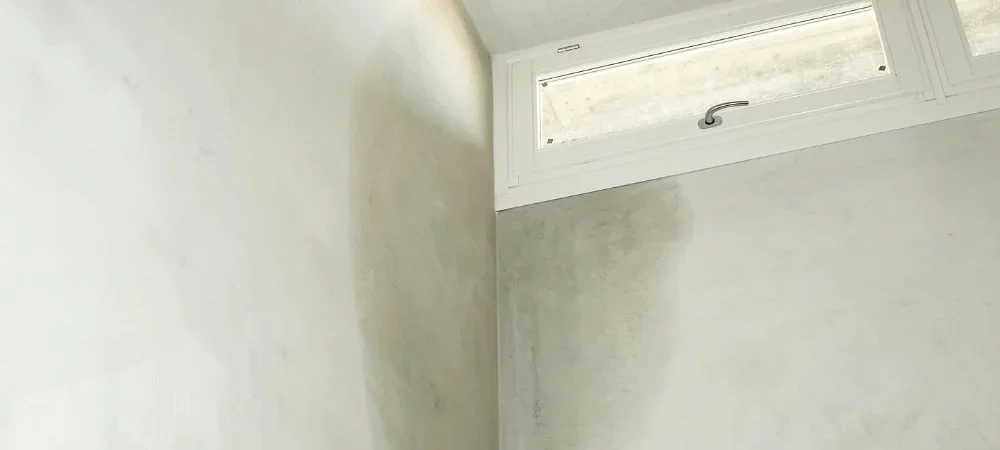
Walls that feel damp to the touch can be unsettling. You place your hand on a wall and notice it feels cold, clammy, or slightly moist—even though there’s no visible water, no leaks, and the surface looks dry. This sensation often raises questions about hidden moisture problems or structural issues.
In many cases, walls feel damp not because they are wet, but because of how moisture, temperature, and airflow interact indoors. This article explains why walls can feel damp, what causes this sensation, and how to understand when it’s normal versus persistent.
The Difference Between Feeling Damp and Being Wet
One of the most important distinctions is between perceived dampness and actual wetness.
- Wet walls usually involve visible water or leaks
- Damp-feeling walls often involve temperature and moisture balance
A wall can feel damp even when there is no liquid water on the surface.
Cold Surfaces Create a Damp Sensation
The most common reason walls feel damp is temperature difference.
When a wall surface is cooler than the surrounding air:
- moisture from the air settles briefly on the surface
- evaporation slows down
- the surface feels cold and clammy
Your skin interprets this combination of coolness and slight moisture as “damp,” even if the wall is technically dry.
Indoor Humidity and the Damp Feeling
Humidity plays a major role in how walls feel.
When indoor air contains more moisture:
- evaporation from surfaces slows
- moisture lingers at a microscopic level
- walls feel less dry to the touch
Even moderate humidity can make walls feel damp if airflow is limited or surfaces stay cool.
Why Walls Feel Damp Without Leaks
A very common question is whether damp-feeling walls always mean leaks.
In many apartments, walls feel damp without any leaks at all.
This happens because:
- moisture comes from indoor air
- walls act as cool surfaces
- condensation may form briefly and evaporate
- moisture remains within materials
This explains why inspections often find no active water source.
The Role of Condensation You Don’t See
Not all condensation is visible.
Condensation can:
- form briefly
- evaporate quickly
- leave surfaces cooler and slower to dry
Even when you never see droplets, this repeated invisible condensation can make walls feel damp over time.
Why Exterior Walls Feel Damper
Exterior walls are especially prone to damp sensations.
They:
- are cooled by outdoor temperatures
- lose heat faster
- stay colder than interior walls
As a result, moisture from indoor air interacts with exterior walls more easily, making them feel damp more often.
Furniture Placement and Damp-Feeling Walls
Walls behind furniture often feel damper than exposed walls.
This happens because furniture:
- blocks airflow
- prevents surfaces from warming evenly
- slows down drying
Behind wardrobes, beds, or cabinets, walls may retain moisture longer and feel clammy.
Seasonal Reasons Walls Feel Damp
The sensation of damp walls often changes with the seasons.
Winter
- walls are colder
- evaporation is slower
- dampness feels stronger
Summer
- humidity may increase
- walls may feel cool and clammy
- moisture lingers in materials
Seasonal patterns often point to normal indoor moisture behavior rather than sudden problems.
Damp Sensation vs Actual Moisture: A Clear Comparison
This table helps separate how walls feel from what’s actually happening:
| Observation | What You Feel | What It Usually Means |
|---|---|---|
| Wall feels cold and clammy | “Damp” | Cool surface + humidity |
| Wall looks dry | Confusing | Moisture is microscopic |
| Damp feeling is seasonal | Temporary | Temperature-driven |
| Wall dries slowly | Persistent | Retained moisture |
| Damp behind furniture | Localized | Poor airflow |
This shows why sensation alone can be misleading.
Why Some Rooms Feel Worse Than Others
It’s common for walls to feel damp in some rooms but not others.
This often depends on:
- room orientation
- exterior exposure
- airflow patterns
- room usage
Bedrooms, storage rooms, and corners often show stronger damp sensations.
Why Damp Walls Often Smell Musty
Damp-feeling walls may be associated with musty odors.
This happens because:
- moisture slows drying
- organic materials retain humidity
- odors linger longer
Smell often appears before visible changes.
When Feeling Damp Is Considered Normal
Walls feeling slightly damp may be normal when:
- it happens seasonally
- it affects limited areas
- walls eventually feel dry again
- no visible damage develops
These situations usually reflect indoor moisture balance rather than damage.
When Damp-Feeling Walls Become a Pattern
The sensation may be more concerning when:
- walls feel damp year-round
- drying takes very long
- multiple walls are affected
- surface changes appear
Persistent dampness usually signals ongoing moisture imbalance.
Why Touch Alone Isn’t a Reliable Test
Touch is subjective.
What feels damp may actually be:
- cold
- slow to dry
- affected by humidity
That’s why diagnosing damp walls requires observing patterns over time, not just how a wall feels once.
How This Fits Into the Bigger Picture
Walls feeling damp often sit between:
- humidity (moist air)
- condensation (visible moisture)
- damp walls (retained moisture)
Understanding this progression helps make sense of indoor moisture behavior.
Walls can feel damp even when they look dry and there are no leaks. This sensation is usually caused by cool wall surfaces, indoor humidity, slow evaporation, and limited airflow. Exterior walls, areas behind furniture, and rooms with poor air circulation are especially prone to this effect.
In many cases, damp-feeling walls are a normal response to indoor conditions and seasonal changes. The sensation becomes more relevant when it is persistent, widespread, or accompanied by surface changes or odors. Understanding why walls feel damp helps separate perception from actual moisture problems and allows for calmer, more accurate interpretation.
Frequently Asked Questions
Why do my walls feel damp but look dry?
Because cool surfaces and humidity can create a damp sensation without visible water.
Can walls feel damp without leaks?
Yes. Moisture often comes from indoor air.
Are damp-feeling walls common in apartments?
Yes, especially on exterior walls and behind furniture.
Is feeling damp the same as condensation?
No. Condensation is visible water; dampness can be subtle.
When should damp-feeling walls be investigated further?
When the sensation is persistent or spreading.