
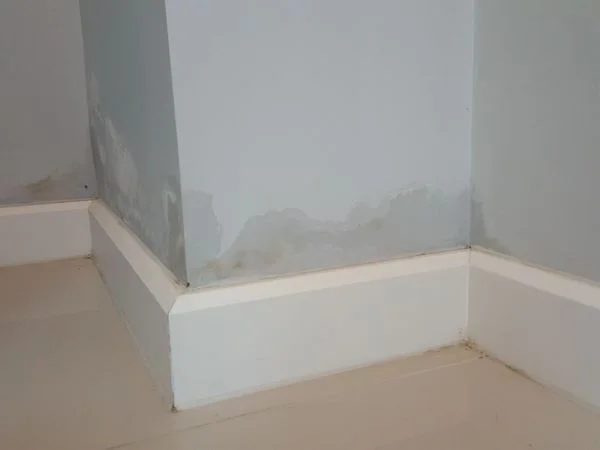
Damp walls and condensation are two indoor moisture issues that are frequently confused. Many people notice walls that feel cold, moist, or uncomfortable and are unsure whether the problem is condensation, dampness, or something else entirely. Because both involve moisture and often appear in similar places, the difference is not always obvious.
However, damp walls and condensation are not the same thing. They behave differently, last for different lengths of time, and point to different indoor conditions. Understanding the difference helps explain why walls feel damp even when no water is visible—and why wiping surfaces does not always solve the issue.
This article clearly explains the difference between damp walls and condensation, how to recognize each, and why they are often connected but not identical.
Why Damp Walls and Condensation Are Often Confused
The confusion comes from the fact that both issues:
- involve moisture
- appear on walls or surfaces
- often occur in colder areas
- may exist without leaks
In addition, condensation can contribute to damp walls over time, which further blurs the distinction.
What Condensation Is
Condensation is a visible moisture event.
It happens when:
- warm, moist indoor air
- meets a colder surface
- and water vapor turns into liquid droplets
Condensation is usually easy to see. It appears as:
- water droplets
- fogged glass
- temporarily wet surfaces
Condensation often forms quickly and may disappear once conditions change.
What Damp Walls Are
Damp walls involve retained or absorbed moisture, not necessarily visible water.
Damp walls:
- feel cold, clammy, or slightly wet
- may look dry on the surface
- dry very slowly
- reflect longer-term moisture presence
Dampness is usually subtle and develops gradually.
The Key Difference in Simple Terms
A useful way to think about it:
- Condensation is an event
- Damp walls are a condition
Condensation comes and goes.
Damp walls tend to persist.
Damp Walls vs Condensation: Side-by-Side Comparison
This table clearly shows the practical differences:
| Aspect | Damp Walls | Condensation |
|---|---|---|
| Visibility | Often invisible | Clearly visible |
| Feels like | Cold, clammy surface | Wet surface |
| Duration | Long-lasting | Temporary |
| Appears suddenly | ❌ | ✅ |
| Dries quickly | ❌ | ✅ |
| Related to temperature | Yes | Yes |
| Can happen without leaks | ✅ | ✅ |
This comparison helps explain why the two are often mistaken for each other.
How Condensation Can Lead to Damp Walls
Condensation and damp walls are closely connected.
Repeated condensation:
- wets surfaces again and again
- slows drying
- allows moisture to soak into materials
Over time, this can turn a condensation issue into a damp wall condition.
Why Damp Walls Exist Without Visible Condensation
Damp walls can exist even when condensation is not obvious.
This happens because:
- condensation may form briefly and evaporate
- moisture remains within wall materials
- airflow is limited
By the time walls are touched, visible water may already be gone.
Where Condensation Is More Likely
Condensation usually appears:
- on windows
- on cold exterior walls
- in bathrooms and kitchens
- in bedrooms overnight
These are areas with strong temperature differences and moisture sources.
Where Damp Walls Are More Likely
Damp walls are often found:
- behind furniture
- in corners of rooms
- on exterior walls
- in rooms with limited airflow
These areas dry slowly and hold moisture longer.
Seasonal Differences Between Damp Walls and Condensation
Winter
- condensation appears more often
- walls stay colder
- dampness feels stronger
Summer
- humidity may rise
- condensation may be less visible
- walls may still feel damp
Seasonal recurrence helps identify whether moisture is temporary or persistent.
Why Wiping Condensation Doesn’t Fix Damp Walls
Wiping condensation removes surface water, but it does not:
- warm the wall
- improve airflow
- remove retained moisture
This is why walls can continue to feel damp even after condensation is wiped away.
Which Is More Common in Apartments?
Both are common, but:
- condensation is usually noticed first
- damp walls develop later
Apartments with recurring condensation often develop damp walls over time if conditions stay the same.
Damp Walls, Condensation, and Mold
Both damp walls and condensation can influence mold growth.
- condensation supplies moisture quickly
- damp walls supply moisture continuously
Mold is more likely where dampness persists, not after isolated condensation events.
How to Tell Which One You’re Dealing With
A simple way to distinguish them is to observe patterns:
- does moisture appear suddenly or gradually?
- does it dry quickly or linger?
- is water visible or only felt?
Patterns over time matter more than a single observation.
Why Understanding the Difference Matters
Misunderstanding the difference can lead to:
- treating symptoms instead of conditions
- unnecessary worry about leaks
- ignoring long-term moisture patterns
Correctly identifying the issue helps make sense of indoor moisture behavior.
Damp walls and condensation are related but not the same. Condensation is visible moisture that forms when warm, humid air meets cold surfaces, while damp walls are the result of moisture being retained within wall materials over time. Condensation is usually temporary, while damp walls tend to persist and feel slow to dry.
Understanding the difference between damp walls and condensation makes it easier to interpret indoor moisture issues calmly and accurately. When condensation is seen as an event and damp walls as a condition, the behavior of indoor moisture becomes much clearer.
Frequently Asked Questions
Are damp walls the same as condensation?
No. Condensation is visible water; damp walls involve retained moisture.
Can condensation cause damp walls?
Yes, if it happens repeatedly and drying is slow.
Can walls feel damp without visible condensation?
Yes. Moisture may already be absorbed.
Which one leads to mold more often?
Damp walls, because moisture persists longer.
Are both common in apartments?
Yes. Apartments often experience both.