
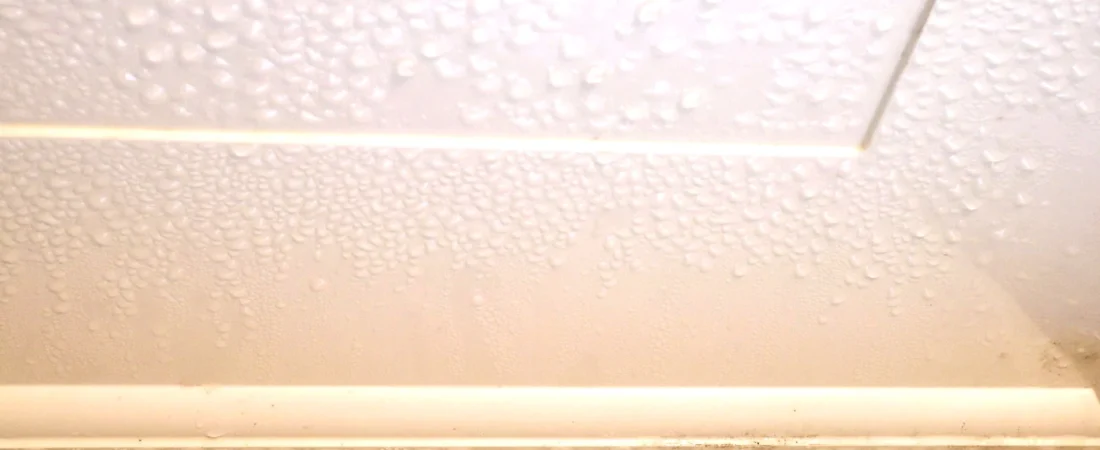
Have you noticed dark patches, peeling paint, or a heavy damp smell near the top of your walls? Damp walls near the ceiling are more than just an eyesore; they are a warning sign from your home. Damp walls near the ceiling are a common problem in many buildings, especially older ones. Whether it’s a slow leak from above or a hidden ventilation failure, moisture at the ceiling level can quickly compromise your home’s structural integrity and your family’s health. If the root cause is not addressed, damp can spread quickly and lead to structural problems.
In this guide, we will break down the crucial differences between condensation and structural leaks, explain the physics of “thermal bridging,” and provide a step-by-step plan to dry out your home for good. Damp can cause significant damage to the structural integrity of a home if left untreated, and may even affect the foundation.
The Diagnosis: Is it Condensation or a Leak?
Before you spend money on repairs, you must identify the source. Understanding what causes damp and the form it takes is crucial, as damp can occur for several reasons. Identifying the source of damp is the first step to resolving the issue.
The three main types of dampness are rising damp, penetrating damp, and condensation.
Dampness near the ceiling usually falls into two categories:
Penetrating Damp (The External Leak)
If the dampness appears after heavy rain or is localized around a chimney breast or corner, you likely have an external issue. Common culprits include:
- Leaking Gutters: Blocked or cracked gutters cause water to overflow and soak into the external masonry at the roofline. Leaking gutters can lead to penetrating dampness through the internal wall, as water may be entering the walls due to broken or clogged rain gutters.
- Roof Damage: Missing shingles or damaged flashing allow water to travel down the rafters and settle where the wall meets the ceiling. Conditions such as broken tiles, damaged flashing, or blocked/broken gutters allow rainwater to enter the roof space and run down internal walls.
Penetrating damp is caused by moisture moving from the exterior walls of a building to the interior ones through the brickwork. The risk of penetrating dampness increases if the ground level outside is raised above the damp proof course, allowing rainwater to seep into the structure.
Condensation (The Internal Issue)
If the dampness is widespread across the top of an external wall and smells “musty,” it is likely a condensation problem. This happens due to Thermal Bridging. The junction where the wall meets the ceiling is often the coldest part of the room. Warm, moist air rises, hits this cold “bridge,” and turns into liquid water.
Condensation is formed when moisture in the air (from activities like cooking or showering) touches a cold internal wall.
High indoor humidity from activities and poor ventilation typically causes condensation in cold corners.
The Science: Why the Ceiling Level?
Warm air is less dense than cold air, so it naturally rises (the “stack effect”). In a typical home, this warm air carries the most moisture. When this humid air reaches the upper corners of a room—areas that often suffer from stagnant air because of poor circulation—it becomes trapped. If the insulation in the attic doesn’t extend all the way to the edge of the wall (the eaves), that specific corner stays freezing cold, triggering the “Dew Point” instantly. This process causes the wall and ceiling surfaces to become wet, as moisture in the air condenses on them, resulting in condensation dampness.
Health Risks of Damp
Damp walls and excessive moisture inside your home aren’t just a cosmetic problem—they can seriously impact your health. When penetrating damp or condensation is left untreated, it creates the perfect environment for black mould to thrive on interior surfaces. The spores released by mould can circulate in the air, leading to respiratory issues such as asthma, allergies, and other breathing difficulties, especially in children and the elderly. Persistent damp also increases the risk of other health problems, as the constant presence of moisture can aggravate existing conditions.
To protect your family, it’s crucial to address damp issues as soon as they appear. Regularly ventilate your home by opening windows, using extractor fans in kitchens and bathrooms, and ensuring good airflow throughout all rooms. Keeping walls dry and well-ventilated will help prevent the growth of mould and maintain a healthier indoor environment. Remember, tackling damp walls early is the best way to safeguard your home and your health.
Cold Spots and Damp
Cold spots on exterior walls are a common trigger for damp problems. When warm air inside your home meets a cold surface, such as an uninsulated wall or ceiling corner, condensation forms—leading to damp patches and, eventually, mould growth on interior walls. These cold spots often occur where insulation is missing or where cracks and gaps allow cold air to seep in.
To prevent cold spots and the resulting damp, make sure your exterior walls are properly insulated and that any cracks or gaps are sealed with a suitable filler. Installing a damp proof course and applying a waterproof layer to exterior walls can help stop rising damp and prevent damp walls from developing. Improving air flow with trickle vents and air vents will also help reduce condensation by allowing warm, moist air to escape. By addressing cold spots, you can significantly reduce the risk of damp, mould, and structural damage in your home.
Comparison: Treatment Methods for Damp Walls
Choosing the right treatment depends on the specific damp issue you are facing, such as condensation, mould, or penetrating damp.
| Method | Best For | Effectiveness | DIY Potential |
|---|---|---|---|
| Cleaning & Vinegar | Surface mildew | Medium | High (Immediate fix) |
| Anti-Condensation Paint | Minor thermal bridging | Medium | High (Preventative) |
| Improving Attic Insulation | Persistent cold spots | Very High | Low (Expert needed) |
| Gutter Repair | Penetrating damp | High | Medium (Safety first) |
| Dehumidification | Condensation and moisture control | High | High (Using a dehumidifier can help manage condensation in your home) |
Step-by-Step Guide to Fixing Damp Walls Near the Ceiling
Step 1: The “Dry Test”
Tape a piece of aluminum foil over the damp patch for 24 hours.
- If moisture is on the outside of the foil: It’s condensation.
- If the foil is damp underneath (against the wall): It’s a leak from the outside or a burst pipe.
Step 2: Immediate Remediation
- Kill the Mold: Mist the area with white vinegar or a Borax solution.
- Wipe Gently: Use a disposable cloth to remove surface spores. Do not scrub dry mold.
- Dry the Wall: Use a dehumidifier or a fan directed at the corner to pull moisture out of the plaster.
Step 3: Structural Fixes
- Clear the Gutters: Ensure water is being channeled away from the house.
- Eaves Ventilation: Ensure your attic insulation isn’t blocking the “soffit vents.” Air must flow through the attic to keep the ceiling joists dry.
- Dehumidification: Maintain the home’s humidity below 50%.
- Rising Damp Prevention: Rising damp occurs when moisture from the ground travels up the walls through capillary action. This can cause damage to skirting boards and result in peeling wallpaper. Rising damp often creates noticeable tide marks that usually appear around halfway up the wall.
- Damp Proof Course: A damp proof course is a waterproof layer or membrane that stops water and moisture from travelling up your walls, and it is typically installed during the construction of most buildings.
- Floor Damp Proof Membrane: Installing a floor damp proof membrane before putting down new flooring will prevent the accumulation of moisture and save you from potential damp issues.
Preventing Damp Walls
Preventing damp walls is all about proactive maintenance and smart home improvements. Start by ensuring your exterior walls are fully waterproofed and that any cracks or gaps are sealed to stop water ingress. Installing a damp proof membrane and a reliable damp proof course is essential to stop rising damp and prevent penetrating damp from taking hold.
Regularly check and maintain your gutters, downspouts, and air vents to ensure they’re working properly and directing water away from your home. Good air flow is key—use a dehumidifier in problem areas and keep air moving throughout your house to reduce excess moisture and prevent damp patches from forming. By staying vigilant and addressing small issues before they escalate, you can prevent damp walls and keep your home dry and comfortable all year round.
Pro-Tips: The “De-misting” Secret
If your damp walls are in a bathroom or kitchen, the ceiling is often the first place to fail. Pro-Tip: After showering or cooking, leave your extractor fan running for at least 15 minutes. Exhaust fans in kitchens and bathrooms should actually run for 20–30 minutes after use to aid in preventing dampness. Most people turn it off too early, leaving a “cloud” of steam to settle in the upper corners of the room. Improving ventilation, such as by installing extractor fans and air vents, helps manage moisture and reduce damp issues.
Damp walls near the ceiling are a signal that your home’s “envelope” is failing—either through poor insulation or external leaks. By identifying the source early and maintaining proper airflow, you can prevent expensive structural repairs and keep your indoor air clean. Using air vents and fans can improve ventilation and reduce moisture, helping to prevent a damp issue from developing.
Next Step: Inspect your gutters today. A 10-minute cleaning session could save you thousands in damp-proofing costs!
Improving ventilation in your home is essential to reduce moisture levels.
Maintaining a Damp-Free Home
Keeping your home free from damp requires ongoing attention and a few smart habits. Make it a routine to inspect exterior walls, roofs, and gutters for any signs of damage, leaks, or blockages that could lead to excess moisture and damp walls. Inside, ensure that all interior surfaces—including walls and floors—are well-ventilated and kept dry to discourage mould growth.
Applying damp proof paint and sealant to interior surfaces adds an extra layer of protection against moisture and mould. Don’t forget to maintain your gutters and downspouts, as clogged or damaged gutters are a common cause of damp problems. By combining regular inspections, good ventilation, and protective treatments, you can prevent damp walls and maintain a healthy, mould-free living environment for your family.
Frequently Asked Questions
Why is the damp patch only in the corner?
Corners are “dead zones” for airflow. They are also structural junctions where insulation is often thin or missing, making them the coldest points in the room.
Can I just use bleach to clean it?
No. Bleach is mostly water. While it whitens the surface, the water in the bleach can actually feed the mold roots (mycelium) inside porous plaster, leading to a faster return.
When should I call a professional?
If the damp patch is brown or yellow (water staining) or if the plaster feels soft and “mushy” to the touch, you likely have a structural leak that requires a roofer or a damp-proofing specialist. If you notice that damp patches spread quickly or you suspect structural problems such as faulty guttering, roofing, or issues with the damp-proof course, you should seek professional help. Moisture meters can be used to locate the source of dampness by tracing moisture levels back to their origin. If patches of damp persist after maintenance, you should call a professional damp surveyor.