
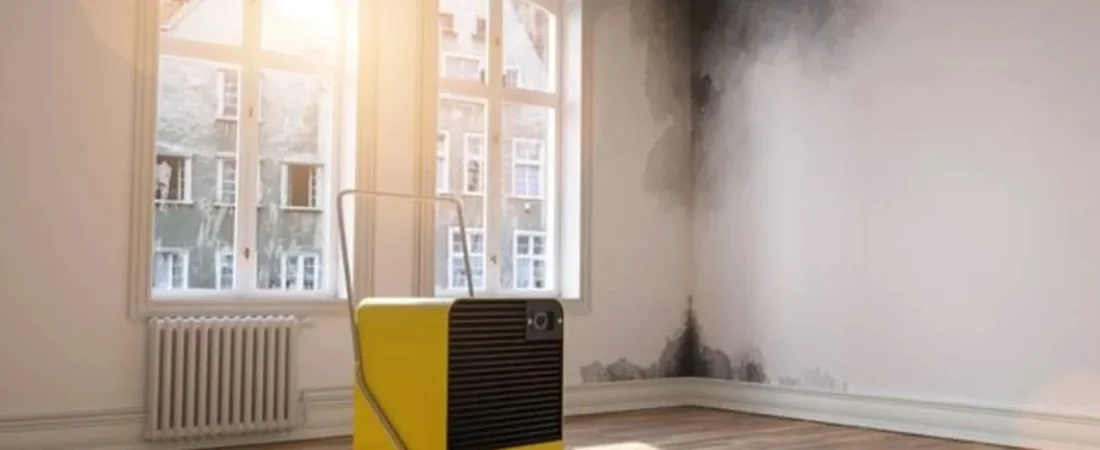
It starts innocently enough. You walk into your bedroom one morning, and there it is—a subtle, earthy odor emanating from the corner near your window. You sniff around, searching for dirty laundry or a forgotten coffee cup, but find nothing. The smell persists, and within weeks, you notice a small dark spot forming on the wall where the ceiling meets. What you’re experiencing isn’t just an unpleasant odor—it’s your home’s distress signal. That damp smell in corners—often described as a musty smell—can signal an underlying issue such as hidden leaks or moisture intrusion. It’s nature’s early warning system, alerting you to a moisture problem that, left unchecked, could compromise your health, your belongings, and the structural integrity of your home, and may even lead to serious structural damage over time.
According to the EPA, condensation and moisture accumulation are the primary causes of mold growth indoors, and corners are especially vulnerable. This comprehensive guide will walk you through exactly why corners develop these distinctive musty odors, what’s happening behind your walls at the molecular level, and most importantly, how to eliminate the problem before it escalates into a costly remediation nightmare. Remember, it’s crucial to identify and address the underlying issue—such as hidden leaks or persistent moisture—rather than simply masking the odor.
Understanding the Damp Smell: What You’re Actually Smelling
That musty, earthy odor you detect isn’t mold itself—mold spores are typically odorless. What you’re smelling is something far more insidious: Microbial Volatile Organic Compounds (MVOCs). These are gaseous byproducts released by actively growing mold and bacteria as they metabolize organic materials in your home. When areas of your home smell musty, it is a sign of underlying microbial activity and moisture problems that need to be addressed.
Pro-Tip: The presence of a damp smell in corners without visible mold doesn’t mean you’re safe. MVOCs indicate that microbial growth is occurring somewhere, even if hidden behind wallpaper, inside wall cavities, or beneath carpet padding. Research has identified over 200 different compounds as MVOCs, including alcohols, aldehydes, benzenes, and sulfur compounds.
Common descriptions of these odors include:
- Musty (like an old basement)
- Earthy (resembling wet soil or decaying leaves)
- Wet (like damp towels left too long)
- Pungent (sharp and penetrating)
- Stale (like a closed-off attic)
The compounds responsible for these smells have remarkably low odor thresholds. For instance, geosmin—a compound that produces a “musty, earthy” scent—can be detected at concentrations as low as 0.0009 parts per million (ppm). This extreme sensitivity explains why you might smell a problem days or even weeks before visible mold appears.
Why Corners Are Moisture Magnets: The Physics Behind It
Corners aren’t just architectural features—they’re geometric vulnerabilities in your home’s thermal envelope. Understanding why corners attract moisture requires grasping several interconnected physical principles that conspire to create the perfect conditions for dampness and microbial growth, which together form the perfect breeding ground for mold and mildew.
The Geometry Problem
External corners of buildings have a fundamental disadvantage: they expose more interior surface area to the cold exterior environment than flat wall sections. When two exterior walls meet at a corner, the interior corner has less thermal mass and reduced heat distribution compared to the middle of a wall. This creates what building scientists call a “geometric thermal bridge.”
The result? Surface temperatures in corners drop significantly—sometimes 5 to 10 degrees Fahrenheit lower than adjacent flat walls. This temperature differential is critical because it determines whether water vapor in your indoor air will condense into liquid water.
Reduced Air Circulation
Corners naturally restrict airflow. Warm air from your heating system circulates less effectively in these spaces, especially when furniture is placed against walls. This stagnant air layer creates a microclimate with cooler temperatures and higher localized humidity. Even without furniture obstruction, the physics of air movement means that convective heat transfer—the warming effect of circulating air—is diminished in corner spaces. Keeping air moving in these areas is essential to prevent moisture buildup and musty odors.
Expert Insight: When you place a wardrobe or bookshelf in a corner, you’re not just blocking airflow—you’re eliminating radiant heat exchange as well. The furniture acts as insulation between the corner surface and the warm interior space, allowing surface temperatures to plummet even further below the dew point.
The Science of Thermal Bridges and Dew Point: Why Your Corners Get Damp
To truly understand why that damp smell in corners develops, you need to grasp two fundamental building physics concepts: thermal bridges and dew point temperature. These aren’t just academic terms—they’re the invisible forces determining whether your corners stay dry or become breeding grounds for mold and mildew. When surfaces in corners reach high humidity due to these factors, mold can easily start to grow. These damp, poorly ventilated conditions are where mildew thrive.
What Are Thermal Bridges?
A thermal bridge (also called a cold bridge) is any area where the building’s insulation is interrupted or reduced, creating a pathway for heat to escape more rapidly than through adjacent areas. Corners represent geometric thermal bridges—areas where the shape of the building itself creates increased heat loss, regardless of insulation quality.
The linear thermal transmittance (Ψ value) of standard corners typically ranges from 0.10 to 0.18 W/m·K, meaning these junctions lose heat significantly faster than flat wall sections. This accelerated heat loss translates directly into lower interior surface temperatures.
Understanding Dew Point
Dew point is the temperature at which air becomes saturated with water vapor and condensation begins to form. It’s a fixed value determined by the amount of moisture in the air—the more humid your indoor environment, the higher the dew point.
Here’s the critical relationship: When any surface temperature drops below the dew point, water vapor condenses on that surface. Period.
Let’s look at a real-world example:
- Indoor air temperature: 70°F (21°C)
- Indoor relative humidity: 60%
- Calculated dew point: 55°F (13°C)
If your corner wall surface drops to 54°F due to thermal bridging, condensation will form—guaranteed. This moisture creates the perfect habitat for spores to germinate and grow, releasing those telltale MVOCs you can smell.
Pro-Tip: The U.S. Occupational Safety and Health Administration recommends maintaining indoor humidity between 30-50% to prevent condensation and mold growth. Above 60% relative humidity, you’re in the danger zone for most homes, particularly in corners and other vulnerable areas.
The 80% Rule for Mold Growth
Here’s something most homeowners don’t know: visible condensation isn’t required for mold growth. When relative humidity at a surface reaches 80% for 12 hours or more daily, mold can proliferate even without liquid water present; prolonged high humidity allows mildew growth mold to occur even if you don’t see any visible water. This is why you might smell that musty odor in corners long before seeing actual water droplets or visible mold colonies.
Health Risks Associated with Corner Dampness
The health implications of prolonged exposure to MVOCs and mold growth in corners extend far beyond mere discomfort. Understanding these risks helps homeowners appreciate why addressing that damp smell in corners should be an urgent priority, not something to handle “eventually.”
Respiratory Effects
Mold spores become airborne as colonies mature, and when inhaled, they can trigger a cascade of respiratory symptoms:
- Persistent coughing and wheezing
- Shortness of breath
- Nasal congestion and sinus pressure
- Throat irritation
- Asthma exacerbation in sensitive individuals
People with pre-existing conditions like COPD, asthma, or respiratory allergies experience more severe reactions. Children and elderly individuals face elevated risks due to developing or compromised immune systems.
MVOC Exposure Symptoms
Even when mold isn’t visibly present, exposure to MVOCs can cause:
- Headaches and migraines (particularly in enclosed spaces)
- Dizziness and vertigo
- Nausea and fatigue
- Eye, nose, and throat irritation
- Skin rash (dermatitis in sensitive individuals)
Expert Warning: Certain mold species, particularly black mold (Stachybotrys chartarum), produce mycotoxins—toxic compounds that can cause serious health effects including immune suppression, neurological symptoms, and in extreme cases, mycotoxicosis (mold poisoning).
Long-Term Health Impacts
Research has linked chronic mold exposure to:
- Development or worsening of asthma, particularly in genetically susceptible children
- Chronic inflammatory response syndrome
- Cognitive difficulties and memory problems
- Persistent allergy symptoms
The World Health Organization’s guidelines emphasize that dampness and mold in buildings represent a significant public health concern, warranting immediate attention when detected.
Identifying Hidden Moisture in Your Home
That damp smell in corners is often just the tip of the iceberg. Moisture problems rarely exist in isolation—if one corner shows signs of dampness, other vulnerable areas may be affected as well. Conducting a thorough moisture investigation is essential for comprehensive remediation.
Visual Inspection Checklist
Look for these telltale signs:
- Discoloration or staining on walls, ceilings, or baseboards
- Peeling or bubbling paint (indicates moisture behind the surface)
- Warped or soft drywall when pressed
- Condensation on windows or cold surfaces
- Visible mold growth (appears as fuzzy patches in black, green, white, or orange)
- Efflorescence (white, chalky deposits on masonry surfaces)
- Water stains on ceiling corners (may indicate roof leaks)
Pro-Tip: Use your sense of smell strategically. Follow your nose to the strongest concentration of musty odor—this often pinpoints the primary moisture source, even when visual signs are absent.
High-Risk Areas to Inspect
Don’t limit your investigation to the corner showing symptoms. Check these common moisture problem zones:
External Corners: Where two exterior walls meet, particularly on north-facing walls or shaded areas with limited sun exposure.
Behind Furniture: Wardrobes, bookcases, and beds placed against exterior walls restrict airflow and trap moisture.
Bathroom Adjacent Walls: Moisture from showers can migrate through walls via capillary action, affecting adjacent rooms.
Basement Corners: Ground-level corners face rising damp from foundations and reduced ventilation.
Attic Spaces: Inadequate insulation allows warm, humid air to contact cold roof surfaces, causing condensation.
Window Perimeters: Thermal bridging around window frames creates cold spots prone to condensation.
Using Diagnostic Tools
For a more scientific approach, consider these tools:
Moisture Meter: Measures water content in building materials (20% or higher indicates active moisture problems).
Infrared Thermometer: Identifies cold spots and thermal bridges by measuring surface temperatures.
Hygrometer: Monitors indoor relative humidity levels (maintain below 50% to prevent mold growth).
Thermal Imaging Camera: Visualizes temperature variations across surfaces, revealing hidden thermal bridges and moisture accumulation.
Importance of Fresh Air: The First Line of Defense
When it comes to keeping musty odors at bay, nothing beats the power of fresh air. Many homeowners underestimate how quickly poor ventilation can turn a comfortable space into a breeding ground for hidden mold and persistent moisture buildup. Stale air trapped in corners and closed-off rooms allows humidity to rise, creating the perfect environment for mildew and unpleasant odors to take hold.
Introducing fresh air into your home is one of the simplest and most effective ways to improve air quality and prevent musty smells. Open windows regularly to let air circulate, especially after activities that generate moisture, like showering or cooking. Exhaust fans in bathrooms and kitchens are essential tools for removing humid air before it can settle into vulnerable areas. If your home lacks adequate vents, consider adding them to improve air movement and reduce the risk of moisture accumulation.
Don’t forget to check for hidden mold in less obvious places—behind furniture, inside vents, or within wall cavities—where poor ventilation can allow moisture and odors to linger undetected. By making fresh air a daily priority and addressing any ventilation issues promptly, you’ll create an environment where mold and mildew struggle to survive, and your home stays smelling clean and inviting.
Air Purification Methods for Damp Smells
If your house smells musty despite your best efforts at cleaning and ventilation, it may be time to consider air purification. Air purifiers equipped with HEPA filters are designed to capture mold spores, dust, and other airborne particles that contribute to unpleasant odors and poor indoor air quality. Some advanced models even offer humidity control features, helping to maintain a healthy relative humidity level and prevent excess moisture from accumulating in the air.
Natural odor absorbers can also play a role in keeping your home fresh. Placing bowls of baking soda or activated charcoal in damp corners helps neutralize musty scents, while essential oils can add a pleasant aroma without masking underlying issues. Remember, these solutions work best when combined with proper ventilation and moisture control—air purifiers and odor absorbers can’t fix the root cause if excess humidity or hidden mold is present.
Regularly monitor your home’s humidity level with a hygrometer, aiming to keep it between 30-50%. By integrating air purifiers, natural odor absorbers, and vigilant moisture management, you can effectively eliminate damp smells and maintain a healthier, more comfortable living space.
HVAC System Issues: The Overlooked Culprit
Your HVAC system is designed to keep your home comfortable, but if neglected, it can become a major source of musty odors and poor indoor air quality. When filters are clogged or ducts are dirty, the system can circulate stale air, moisture, and even mold spores throughout your living spaces. This not only spreads unpleasant odors but also increases the risk of mold growth in hidden areas.
Moisture buildup inside vents or ductwork is a common problem, especially in older systems or those with leaks. If you notice persistent smells when the HVAC is running, it’s a sign that mold or mildew may be thriving inside the system. Regular maintenance—such as changing filters, cleaning ducts, and inspecting for leaks—can help prevent these issues and ensure your HVAC system is not contributing to moisture or odor problems.
Additionally, make sure your HVAC system is properly sized for your home and that all ducts are sealed and insulated. This prevents excess moisture from entering the system and keeps air quality high. By staying on top of HVAC maintenance and addressing any issues promptly, you can eliminate a common culprit of musty smells and enjoy cleaner, fresher air throughout your home.
Crawl Space Maintenance and Its Impact on Indoor Dampness
Crawl spaces are often out of sight and out of mind, but they play a critical role in your home’s overall moisture control. These areas are particularly vulnerable to moisture intrusion, which can lead to mold growth, dampness, and musty odors that eventually permeate your living spaces. Signs of trouble include discoloration, warping, or visible mold growth on crawl space surfaces.
To keep crawl spaces dry and odor-free, regular inspections are essential. Look for any signs of moisture buildup and address them immediately. Installing a sump pump can help manage water accumulation, while using moisture resistant materials and proper insulation can prevent moisture from seeping in. Ensuring adequate ventilation in the crawl space is also key—this helps reduce humidity and discourages mold from taking hold.
A dehumidifier designed for crawl spaces can further reduce excess moisture, especially in humid climates. By prioritizing crawl space maintenance and using the right materials and equipment, you can prevent indoor dampness and musty smells from becoming an unwelcome guest in your home.
Air Quality Monitoring: Keeping Your Home’s Air Safe
Maintaining good indoor air quality is about more than just comfort—it’s essential for your health. Musty smells and persistent odors are often the first warning signs of poor air quality, which can aggravate respiratory issues and signal the presence of hidden mold or moisture buildup. Investing in air quality monitors allows you to track key indicators like humidity levels, mold spores, and other airborne pollutants in real time.
Regular monitoring helps you identify common culprits of musty smells, such as poor ventilation, hidden mold, or excess moisture, before they escalate into bigger problems. Pay attention to any discoloration or warping in walls and floors, as these can be early signs of moisture issues. By combining air quality monitoring with routine inspections and prompt action, you can maintain a healthy indoor environment and prevent musty odors from taking hold.
Proactive air quality management not only keeps your home smelling fresh but also protects your family from the health risks associated with mold, mildew, and poor ventilation. Make air quality monitoring a regular part of your home maintenance routine to ensure your living space remains safe, comfortable, and free from unpleasant odors.
Solutions: How to Eliminate Damp Smell in Corners
Addressing that persistent damp smell in corners requires a systematic approach targeting both the symptoms (existing mold and odors) and root causes (moisture sources and thermal bridges). Half-measures won’t work—you must eliminate moisture at its source while improving your home’s thermal performance. Adding vents to problem areas can significantly improve airflow and reduce humidity, helping to prevent musty odors from developing.
Immediate Actions (Days 1-3)
1. Increase Ventilation Open windows to create cross-ventilation, even during cold weather, for 15-20 minutes daily. This exchanges moisture-laden indoor air with drier outdoor air, reducing overall humidity levels. Use exhaust fans in bathrooms and kitchens during and for 30 minutes after moisture-generating activities.
2. Deploy Dehumidifiers Place a dehumidifier in affected rooms to maintain relative humidity between 30-50%. Empty collection reservoirs daily and clean filters weekly to prevent the dehumidifier itself from becoming a mold source.
3. Move Furniture Away from Walls Create at least 3-4 inches of space between furniture and exterior walls. This improves air circulation and allows radiant heat from the interior space to warm corner surfaces above dew point temperatures.
4. Clean Surface Mold For areas less than 10 square feet, you can safely clean surface mold yourself:
- Wear an N95 respirator, gloves, and eye protection
- Mix a solution of 1 cup household bleach per gallon of water (never mix bleach with ammonia)
- Scrub affected surfaces thoroughly
- Allow areas to dry completely
- Dispose of cleaning materials in sealed bags
For persistent damp smell in corners, sprinkle baking soda or spray white vinegar on the affected area and let it sit overnight before cleaning up. This allows maximum odor absorption and cleaning effectiveness.
Pro-Tip: Bleach only kills surface mold on non-porous materials. For porous surfaces like drywall or wood, the mycelium (root structure) penetrates deep into the material, and surface cleaning is insufficient. These materials often require replacement.
Short-Term Solutions (Weeks 1-4)
1. Eliminate Moisture Sources
- Repair leaks immediately: Even small plumbing leaks or roof penetrations contribute massive moisture loads
- Fix drainage problems: Ensure gutters direct water away from foundations
- Address condensation: Apply window film or use insulated curtains to raise window surface temperatures
- Control indoor humidity: Limit long showers, use lids on cooking pots, vent dryers outside
2. Improve Heating Increase thermostat settings in affected rooms by 2-3 degrees to raise surface temperatures above dew point. Consider installing supplemental heating in chronically cold corners—small electric heaters can make a significant difference.
3. Install Vapor Barriers Apply vapor-retarding paint or specialized moisture barrier coatings to affected walls. These products prevent water vapor migration through porous surfaces, reducing condensation risk.
Long-Term Solutions (Months 1-6)
1. Address Thermal Bridges
- Install continuous insulation: Rigid foam board on exterior walls eliminates thermal bridging at corners
- Upgrade windows: Triple-pane windows with low-E coatings and warm-edge spacers drastically reduce frame condensation
- Insulate from within: When exterior work isn’t feasible, interior insulation (with proper vapor barrier installation) can help, though it’s less effective than exterior approaches
2. Install Mechanical VentilationEnergy Recovery Ventilators (ERVs) or Heat Recovery Ventilators (HRVs) continuously exchange indoor and outdoor air while recovering energy, maintaining ideal humidity levels without excessive heat loss. These systems are particularly valuable in tight, energy-efficient homes where natural ventilation is limited.
3. Consider Professional Remediation For mold coverage exceeding 10 square feet, contamination in HVAC systems, or growth on porous materials, hire certified mold remediation specialists. Professional services include:
- Containment to prevent spore dispersal
- HEPA-filtered air scrubbing
- Complete removal of contaminated materials
- Post-remediation verification testing
Comparison Table: DIY vs. Professional Mold Remediation
| Factor | DIY Approach | Professional Remediation |
|---|---|---|
| Cost | $50-$200 in supplies | $500-$6,000+ depending on extent |
| Affected Area | Less than 10 square feet | Any size, especially >10 sq ft |
| Time Required | 2-8 hours | 1-5 days for complete process |
| Equipment | Basic cleaning supplies, respirator | Industrial HEPA filters, negative air machines, moisture meters |
| Effectiveness | Good for surface mold on non-porous materials | Comprehensive for hidden mold, contaminated HVAC, porous materials |
| Health Risk During Work | Moderate (spore exposure) | Minimized with containment protocols |
| Guarantee | None—DIY at your own risk | Typically includes post-remediation testing and warranty |
| Thermal Bridge Solutions | Limited—minor insulation improvements | Can coordinate with contractors for comprehensive building envelope upgrades |
| Best For | Early detection, maintenance cleaning | Established infestations, structural issues, health concerns |
Prevention Strategies for Long-Term Protection
Successfully eliminating that damp smell in corners is only half the battle. Without ongoing prevention measures, moisture problems inevitably return. These strategies create an inhospitable environment for mold and mildew while protecting your home’s structural integrity.
Maintain Optimal Indoor Conditions
Humidity Control: Keep relative humidity between 30-50% year-round. Monitor with hygrometers placed in multiple rooms. During humid summer months, run dehumidifiers or air conditioning continuously. In winter, use humidifiers sparingly and only when air feels uncomfortably dry.
Temperature Consistency: Avoid large temperature swings. Maintaining consistent warmth reduces thermal bridging effects by keeping surface temperatures more stable. Program thermostats to maintain at least 60°F even when away.
Ventilation Habits:
- Open windows daily for 15-20 minutes, even in winter
- Run bathroom fans for 30 minutes after showers
- Use kitchen exhaust fans while cooking
- Never dry clothes on radiators without adequate ventilation
Regular Maintenance Schedule
Monthly:
- Inspect corners, windows, and other vulnerable areas for early moisture signs
- Clean or replace HVAC filters
- Run water through seldom-used drains to maintain trap seals
- Check dehumidifier operations and clean reservoirs
Seasonally:
- Inspect and clean gutters and downspouts
- Check roof for leaks or damaged shingles
- Seal cracks in foundations or exterior walls
- Verify proper drainage away from foundation
- Service HVAC systems professionally
Annually:
- Conduct thermal imaging inspection to identify new thermal bridges
- Test indoor air quality
- Inspect attic and crawl space insulation
- Professional duct cleaning if you have history of moisture problems
Pro-Tip: Create a “moisture inspection log” documenting conditions in vulnerable corners. Photograph these areas monthly so you can track subtle changes over time. Early detection makes remediation far easier and less expensive.
When to Call a Professional
While many damp smell in corners situations respond to diligent DIY efforts, certain circumstances demand professional intervention. Recognizing when you’re out of your depth protects both your health and your investment.
- If you notice persistent musty odors or moisture problems that may be related to HVAC issues, such as dirty filters or ductwork, contact a qualified technician to inspect and resolve the problem.
Call Professionals Immediately If:
Large-Scale Contamination: Mold covering more than 10 square feet requires specialized containment and removal procedures to prevent spore dispersal throughout your home.
HVAC System Involvement: Mold in heating and cooling systems spreads contamination to every room served by those ducts. Professional duct cleaning and sanitization are essential.
Hidden Mold: Suspect mold growth behind walls, under flooring, or in inaccessible areas (attics, crawl spaces) needs professional investigation with moisture meters and thermal imaging.
Sewage or Contaminated Water: Water damage from sewage backups or contaminated sources carries dangerous pathogens requiring hazmat-level remediation protocols.
Structural Concerns: Soft, damaged, or sagging drywall, floor joists, or studs indicate water has compromised structural integrity. This requires both remediation specialists and potentially structural engineers.
Health Symptoms Persist: If respiratory problems, allergic reactions, or other symptoms continue despite DIY cleanup efforts, professional remediation and post-remediation air quality testing are necessary.
Insurance Claims: Document everything with photos and professional reports when submitting insurance claims for water or mold damage.
What Professionals Offer
Certified mold remediation specialists provide:
- Pre-remediation assessment with moisture mapping
- Containment using plastic sheeting and negative air pressure
- Source removal rather than surface cleaning
- HEPA air filtration to capture airborne spores
- Antimicrobial treatment of affected areas
- Post-remediation verification with air quality testing
- Detailed reports for insurance or real estate purposes
- Recommendations for preventing recurrence
Take Action Before the Problem Escalates
That damp smell in corners isn’t a minor annoyance—it’s a critical early warning that moisture has infiltrated your home’s building envelope. Left unaddressed, it escalates from a simple odor to visible mold colonies, compromised building materials, declining indoor air quality, and potentially serious health consequences.
The good news? You now understand the science behind why corners accumulate moisture, from thermal bridges and dew point physics to MVOCs and mold biology. You have concrete steps for identifying moisture sources, eliminating existing problems, and implementing prevention strategies that work.
Your action plan starts today:
- Investigate immediately: Inspect all corners in your home for moisture signs
- Reduce humidity: Deploy dehumidifiers and improve ventilation
- Address sources: Fix leaks, improve drainage, upgrade insulation
- Monitor continuously: Check vulnerable areas monthly
- Seek help when needed: Don’t hesitate to call professionals for serious situations
Remember, moisture problems never improve on their own—they only worsen. The homeowners who successfully eliminate dampness and mold are those who treat these issues as urgent priorities requiring systematic solutions, not temporary fixes.
Take control of your indoor air quality today. Your home—and your health—will thank you.
Frequently Asked Questions
Can a damp smell in corners be dangerous even without visible mold?
Yes, absolutely. The musty odor indicates MVOCs (Microbial Volatile Organic Compounds) are present, which means active mold growth is occurring somewhere, even if hidden. MVOCs themselves can cause headaches, respiratory irritation, nausea, and other health symptoms. Additionally, high humidity conditions that produce odors create ideal environments for rapid mold proliferation. Address moisture issues immediately when you notice persistent musty smells.
Why do corners get damp more than flat walls?
Corners are geometric thermal bridges where two exterior walls meet, creating areas with reduced thermal mass and restricted airflow. Surface temperatures in corners can drop 5-10°F below adjacent flat walls. When these cold surfaces fall below the dew point temperature, water vapor condenses. Additionally, corners naturally limit air circulation, creating stagnant microclimates with locally higher humidity. Furniture placement against corners further exacerbates the problem by blocking radiant heat exchange.
What humidity level prevents damp smell and mold in corners?
Maintain indoor relative humidity between 30-50% year-round to prevent mold growth and eliminate musty odors. Above 60% humidity, condensation risk increases dramatically, particularly in corners and other thermal bridges. Below 30%, air becomes uncomfortably dry and can irritate respiratory systems. Use hygrometers to monitor humidity levels in multiple rooms, and deploy dehumidifiers during humid seasons to maintain optimal levels.
How quickly can mold grow after moisture appears in corners?
Mold can begin growing within 24-48 hours after moisture appears on surfaces. However, visible colonies typically take 7-10 days to develop. This is why immediate action is critical when you detect water leaks, condensation, or damp smells. The EPA recommends drying wet materials within 24-48 hours to prevent mold establishment. Even if you don’t see mold yet, that damp smell indicates spores have already germinated and are producing MVOCs.
Will painting over moldy corners solve the problem?
No. Painting over mold without addressing the underlying moisture source is a cosmetic cover-up that fails within weeks or months. Mold continues growing beneath the paint, eventually breaking through and reappearing. Worse, trapped moisture can cause paint to peel, bubble, or develop additional contamination. Proper remediation requires: identifying and eliminating the moisture source, removing contaminated materials (if porous), cleaning surfaces thoroughly with appropriate antimicrobials, allowing complete drying, and then—only then—repainting with mold-resistant primer and paint.