
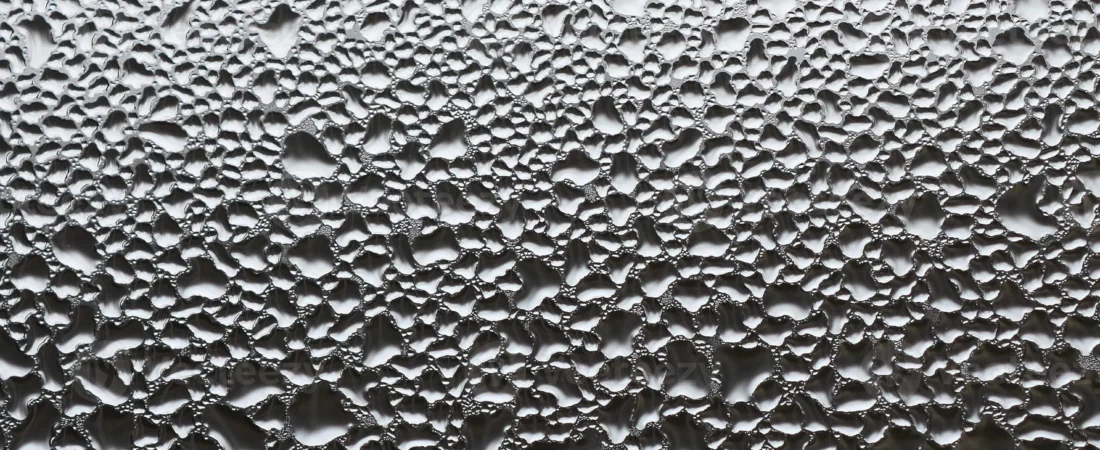
Condensation is one of the most common indoor moisture issues in apartments, yet it is often misunderstood. Many people notice water droplets on windows, damp walls, or moisture in corners without fully understanding why it happens—especially when there are no leaks or visible water sources.
In simple terms, condensation is moisture from the air turning into liquid water when it meets a cold surface. In apartments, this process happens frequently due to temperature differences, indoor humidity, and limited airflow.
This article explains what condensation in apartments is, why it occurs indoors, where it usually appears, and how it differs from general humidity problems.
What Condensation Actually Is
Condensation occurs when warm, moist air comes into contact with a cooler surface. When the air cools down at that surface, it can no longer hold all of its moisture, so water vapor turns into liquid droplets.
This process happens naturally and does not require:
- Leaks
- Water damage
- Plumbing issues
Condensation is a physical reaction between air temperature and surface temperature, not a defect by itself.
Why Condensation Is Common in Apartments
Apartments create ideal conditions for condensation because of how air, moisture, and temperature behave indoors.
Common apartment-specific factors include:
- Warm indoor air during cold seasons
- Cold exterior walls and windows
- Limited ventilation
- Moisture from daily activities
Because apartments are enclosed spaces, moisture released indoors often has nowhere to go.
Indoor Moisture Sources That Lead to Condensation
Condensation does not come from outside water—it comes from moisture already inside the apartment.
Everyday activities release moisture into the air, including:
- Showering and bathing
- Cooking and boiling water
- Breathing while sleeping
- Drying clothes indoors
Over time, this moisture builds up and becomes visible when it meets colder surfaces.
Common Places Where Condensation Appears
Condensation usually forms on the coldest surfaces in an apartment.
Typical locations include:
- Windows and window frames
- Exterior walls
- Corners of rooms
- Ceilings
- Bathroom surfaces
These areas cool down faster than the surrounding air, making them natural condensation points.
Condensation on Windows
Windows are the most common place people notice condensation first.
This happens because:
- Glass cools quickly
- It separates warm indoor air from cold outdoor air
- Airflow around windows is often limited
Condensation on windows is often most visible in the morning or during colder months.
Condensation on Walls and Ceilings
Walls and ceilings—especially exterior ones—can also develop condensation.
In many cases:
- Condensation is not always visible
- Moisture evaporates quickly
- Surfaces remain slightly damp over time
This invisible condensation can still contribute to moisture-related issues later.
Condensation Without Leaks
One of the most confusing aspects of condensation is that it often appears without any leaks.
Condensation occurs because:
- Moist air meets cold surfaces
- Temperature differences persist
- Moisture has no path to escape
This explains why apartments with no water damage can still experience condensation regularly.
Condensation vs Humidity
Condensation and humidity are closely related but not the same thing.
- Humidity refers to the amount of moisture in the air
- Condensation is what happens when that moisture turns into liquid water
High humidity increases the likelihood of condensation, but condensation only appears when moist air meets a surface cold enough for water to form.
Why Condensation Is More Noticeable in Winter
Condensation is often worse in winter because:
- Outdoor temperatures are lower
- Windows and walls become colder
- Warm indoor air holds more moisture
When warm air hits cold surfaces, condensation becomes more visible and frequent.
Condensation in Summer Apartments
Condensation can also occur in summer, especially when:
- Outdoor air is warm and humid
- Air conditioning cools indoor surfaces
- Moisture enters through open windows
In summer, condensation often appears on cooled surfaces rather than cold outdoor-facing walls.
Condensation and Ventilation
Ventilation plays a key role in condensation.
When airflow is limited:
- Moist air remains trapped
- Surfaces stay damp longer
- Condensation becomes more frequent
Apartments with poor or uneven ventilation often experience condensation in the same spots repeatedly.
Why Condensation Often Goes Unnoticed
Condensation is not always obvious.
It may:
- Appear briefly and evaporate
- Form overnight
- Occur behind furniture or curtains
Because of this, condensation often goes unnoticed until related issues—such as damp smells or surface damage—appear.
Condensation as a Normal Indoor Process
It is important to understand that condensation itself is not abnormal.
Condensation becomes noticeable when:
- Temperature differences are strong
- Indoor moisture is high
- Airflow is limited
In many apartments, occasional condensation is part of normal indoor living.
When Condensation Becomes a Problem
Condensation becomes more concerning when it:
- Appears daily
- Occurs in multiple rooms
- Persists for long periods
- Leads to damp surfaces
Persistent condensation often signals an imbalance between moisture, temperature, and airflow.
Condensation and Long-Term Indoor Conditions
Over time, repeated condensation can:
- Keep surfaces damp
- Slow down drying
- Create conditions for other moisture-related issues
This is why condensation is often discussed together with humidity and mold—not because it is dangerous, but because it influences indoor conditions.
How Condensation Develops Over Time
Condensation usually follows a simple pattern:
- Moisture is released indoors
- Warm air moves through the apartment
- Air meets a cold surface
- Moisture turns into water
- The cycle repeats
Understanding this pattern makes condensation easier to recognize and interpret.
Condensation in apartments is a common indoor moisture process caused by warm, moist air coming into contact with cold surfaces. It does not require leaks or water damage and often comes from everyday activities such as cooking, showering, and breathing. Windows, exterior walls, ceilings, and corners are the most common places where condensation appears.
Understanding what condensation is—and how it differs from general humidity—helps explain why moisture appears even in clean, well-maintained apartments. When viewed as a natural response to temperature, moisture, and airflow, condensation becomes far less confusing and easier to interpret calmly.
Frequently Asked Questions
What is condensation in apartments?
It is moisture from indoor air turning into water on cold surfaces.
Can condensation happen without leaks?
Yes. Condensation does not require leaks or water damage.
Is condensation normal in apartments?
Occasional condensation is common, especially in colder seasons.
Why does condensation appear on windows first?
Windows are usually the coldest indoor surfaces.
Does condensation always mean a problem?
No. It becomes a concern only when it is persistent or widespread.