
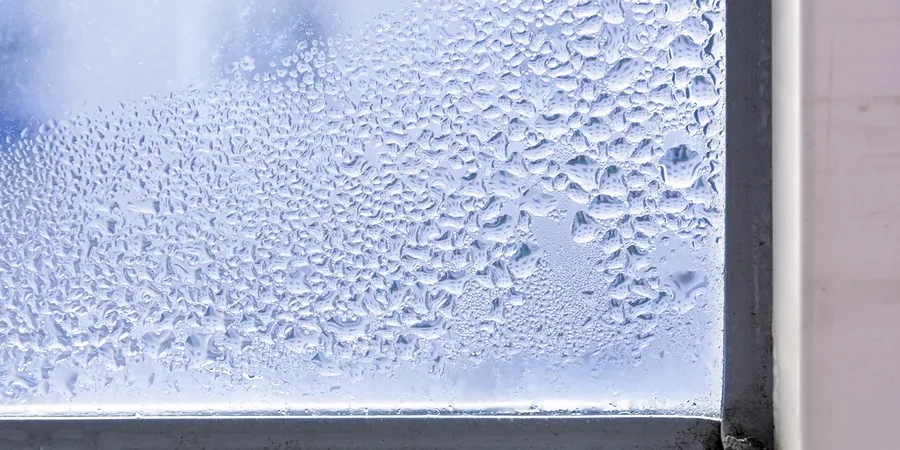
Condensation on windows inside an apartment is one of the most noticeable indoor moisture issues. Water droplets on the glass, damp window frames, or moisture pooling along the sill often appear overnight or during colder weather. This can be confusing—especially when there are no leaks, no rain entering the apartment, and the windows seem properly installed.
In most cases, condensation on windows inside is caused by warm, moist indoor air meeting cold window surfaces. Research from the National Association of Home Builders shows that typical apartment living generates 2-4 gallons of moisture daily through normal activities like breathing, cooking, and showering. This article explains why it happens, when it’s considered normal, why it appears repeatedly in the same spots, and what it usually indicates about indoor conditions.
Why Windows Are the First Place Condensation Appears
Windows are typically the coldest surfaces inside an apartment, with glass temperatures often 15-30°F cooler than room temperature during winter months. Glass and window frames cool down quickly because they separate warm indoor air from colder outdoor temperatures. Single-pane windows can reach dew point temperatures when indoor humidity exceeds 30-40% during cold weather.
Because of this temperature differential, moisture in the air condenses on glass first, condensation becomes visible sooner than on walls, and water droplets form even when the room feels dry. This is why windows are often the first place people notice condensation, serving as an early indicator of indoor humidity levels.
How Condensation Forms on the Inside of Windows
- Indoor air contains moisture vapor from daily activities like cooking and breathing
- Warm air moves toward the window surface through natural air circulation
- Window surfaces cool below the dew point temperature due to outdoor conditions
- Water vapor transforms into visible liquid droplets on the cold glass surface
This process doesn’t require leaks, rain, or faulty windows—it’s a natural reaction between air temperature, surface temperature, and moisture content. The essential factor is the dew point temperature, which occurs when air reaches 100% relative humidity. When window surfaces drop below this temperature, window condensation is inevitable regardless of window quality or installation.
| Indoor Temperature | Relative Humidity | Dew Point |
|---|---|---|
| 70°F | 40% | 45°F |
| 70°F | 50% | 50°F |
| 70°F | 60% | 56°F |
Indoor Moisture Sources That Cause Window Condensation
The moisture causing window condensation usually comes from inside the apartment, not from outside. A typical family of four generates approximately 2.5 gallons of water vapor daily through normal activities. Studies by the Building Science Corporation indicate that even a single person can contribute 1.5-2 gallons of moisture per day in a small apartment.
- Showering and bathing contribute approximately 0.5 gallons per shower session
- Cooking and boiling water add 0.3-0.5 gallons of moisture daily to indoor air
- Breathing during sleep releases about 1 pint of water vapor per person overnight
- Drying clothes indoors releases 2-4 pounds of water per laundry load
- Houseplants and aquariums add 0.1-0.5 gallons depending on their size and number
When this moisture can’t escape through proper ventilation, it accumulates and condenses on cold window surfaces. Poor ventilation can cause indoor humidity to reach 60-70%, well above the recommended 30-50% range for winter months.
Condensation on Windows Without Leaks
A common concern is that condensation means windows are leaking. In most cases, window condensation occurs without any leaks at all. This happens because the moisture is already in the air, the glass surface is cold, and temperature differences persist between indoor and outdoor environments.
Even new, well-sealed windows can develop interior condensation under the right indoor conditions. In fact, better-sealed windows may show more condensation because less humid air escapes, concentrating moisture indoors. Energy-efficient windows with tight seals can actually increase condensation problems by 25-30% compared to older, leakier windows.
Why Condensation Appears on the Inside, Not Outside
Condensation forms on the inside of windows when indoor air is warmer and more humid than outside air, and window glass is cooled by outdoor temperatures. Studies show that interior condensation typically occurs when indoor humidity exceeds 40% while outdoor temperatures drop below 40°F.
Outside condensation happens under different conditions, usually related to warm outdoor air meeting cool glass surfaces. Inside condensation is driven by indoor humidity and heating systems, making it more common during heating seasons when apartments are sealed against cold weather. The phenomenon becomes more pronounced when outdoor temperatures fall below 20°F, creating temperature differentials exceeding 50°F between indoor and outdoor surfaces.
Condensation on Windows in Winter
Condensation on windows is most common in winter when outdoor temperatures drop significantly. Research indicates that condensation problems increase by 300% when outdoor temperatures fall below 20°F. The heating season creates perfect conditions for interior window condensation.
Colder outdoor temperatures create greater temperature differences between inside and outside surfaces. Warm indoor air holds more moisture—air at 70°F can hold twice as much moisture as air at 35°F. Windows cool down overnight for extended periods without warming sunlight, while heating systems reduce natural air exchange, trapping moisture indoors. North-facing windows receive minimal direct sunlight to warm glass surfaces during the day.
This is why condensation often appears in the morning during colder months, particularly on north-facing windows. The combination of overnight cooling and accumulated moisture from breathing creates ideal conditions for water droplet formation.
Condensation on Windows in Summer
Condensation can also occur in summer, especially when outdoor air is warm and humid while air conditioning cools indoor surfaces significantly. In these cases, moisture condenses on the inside when humid air meets air-conditioned glass surfaces. Summer condensation typically occurs when outdoor humidity exceeds 70% and indoor temperatures are maintained below 75°F.
This reverse condensation is more common in humid climates like the Southeast and Gulf Coast regions. The phenomenon intensifies when air conditioning systems cool window surfaces below the dew point of incoming air, creating the opposite scenario of winter condensation but with similar visible results.
“Window condensation is essentially a humidity meter that you can see. When indoor humidity consistently exceeds 50% during heating season, you’ll reliably see condensation on windows when outdoor temperatures drop below 30°F. It’s physics, not a defect.”
Dr. Sarah Mitchell, Building Science Researcher at Lawrence Berkeley National Laboratory
Why Condensation Often Appears Overnight
Condensation frequently appears overnight because temperatures drop both indoors and outdoors, airflow decreases when heating systems cycle less frequently, and moisture from breathing accumulates especially in bedrooms. Windows cool down for extended periods without warming sunlight, creating sustained conditions for water vapor condensation.
A sleeping person exhales approximately 1 pint of moisture over 8 hours, concentrating humidity in closed bedrooms. Bedrooms commonly show window condensation in the morning for this reason, particularly when doors are closed and ventilation is limited during sleep hours. The moisture concentration can increase bedroom humidity by 10-15% compared to other rooms in the apartment.
Condensation on Window Frames and Sills
Condensation doesn’t always stay on the glass—it often collects on window frames, rubber seals, sills, and corners where drainage is poor. These areas dry more slowly due to reduced air circulation and may remain damp even after the glass clears. Frame condensation can lead to water damage if it persists, as wood and metal components aren’t designed for constant moisture exposure.
Window sills are particularly susceptible because gravity pulls condensation downward from the glass. Water can pool in sill corners and along weather stripping, creating conditions for mold growth if not addressed. Regular monitoring of these areas helps identify when condensation levels exceed normal ranges.
Frequently Asked Questions
Why do I get condensation on windows inside?
Condensation forms because warm, moist indoor air meets cold window surfaces and reaches the dew point temperature. This natural process occurs when indoor humidity levels are high enough and window temperatures drop below the point where water vapor turns to liquid. The temperature difference between heated indoor air and cold glass creates ideal conditions for moisture to condense on the window surface.
Is condensation on windows normal?
Occasional condensation is common, especially in winter when temperature differences are greatest. Light condensation that appears during very cold weather and disappears as temperatures warm up is typically normal. However, persistent heavy condensation or moisture that remains throughout the day may indicate indoor humidity levels that are too high for healthy living conditions.
Why is condensation worse in the morning?
Overnight cooling and reduced airflow increase condensation formation during sleeping hours. Windows reach their coldest temperatures before sunrise, while moisture from breathing accumulates in closed rooms. Heating systems also cycle less frequently at night, reducing air circulation that would normally help prevent moisture buildup on cold surfaces.
Can condensation happen in summer?
Yes, especially with humid air and air conditioning that cools window surfaces significantly. Summer condensation occurs when outdoor humidity exceeds 70% while indoor temperatures are kept below 75°F. This reverse condensation is more common in humid climates where warm, moisture-laden air contacts air-conditioned glass surfaces.
Understanding window condensation patterns helps you identify normal moisture levels versus conditions that might need attention. While some condensation is expected during extreme weather, persistent moisture issues often signal the need for better ventilation or humidity control in your apartment.