
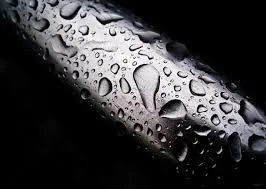
Many people notice water forming on metal objects inside their homes. Pipes may feel wet, window frames drip, metal furniture becomes damp, and appliances develop moisture on their surfaces. Often, surrounding walls and furniture remain dry, making the problem seem strange.
Metal is a highly conductive material, which means it transfers heat and cold much more efficiently than other materials. This property makes metal especially prone to condensation. Condensation on metal surfaces indoors happens because metal cools faster than most materials and releases heat quickly, causing its surface temperature to drop rapidly.
When warm, moist indoor air comes into contact with these cold metal surfaces—especially when cold air is present inside or outside—the moisture in the air condenses into visible water. Understanding this behavior explains why metal objects often appear “wet” while everything else looks normal.
Understanding Condensation on Metal Buildings
Condensation is a frequent challenge in metal buildings, especially when warm, moist air inside the structure comes into contact with a cold surface, such as metal walls or roofing panels. This process causes moisture in the air to accumulate and form visible water droplets on cold metal.
If not addressed, condensation can lead to serious issues, including structural damage, mold growth, and harm to stored materials. The risk is highest when warm, moist air meets cold metal, as the temperature difference causes water vapor to condense rapidly within 15-30 minutes of contact.
To prevent condensation, it’s essential to manage both moisture and temperature differences within the building, ensuring that the indoor environment remains consistent and dry. By understanding how and why condensation forms, metal building owners can take steps to protect their investment and maintain a safe, functional space.
Why Highly Conductive Material Like Metal Attracts Condensation First
Metal conducts heat very efficiently due to its high rate of heat transfer. It absorbs and releases temperature changes much faster than wood, plastic, or plaster. When indoor air cools or when cold outdoor temperatures affect nearby surfaces, metal loses heat quickly.
As soon as its surface becomes cooler than the surrounding air, moisture begins to condense on it. This makes metal a natural moisture magnet that can collect water droplets in as little as 10-15 minutes when conditions are right.
| Material Type | Heat Transfer Rate | Time to Dew Point |
|---|---|---|
| Metal (steel/aluminum) | High (50-200 W/mK) | 10-15 minutes |
| Wood | Low (0.1-0.2 W/mK) | 45-60 minutes |
| Plastic/Vinyl | Very Low (0.2-0.5 W/mK) | 30-45 minutes |
Temperature Differences and Dew Point
Condensation forms when a surface reaches the dew point — the temperature at which air can no longer hold moisture and its moisture condenses. Because metal cools rapidly, it reaches this point sooner than other materials.
Even when indoor humidity is moderate (around 40-50%), metal surfaces can cross the dew point and attract moisture. This explains why condensation appears on metal before it appears elsewhere in your home.
Common Indoor Metal Condensation Zones
Condensation on metal appears most often on objects connected to colder environments. These surfaces transfer outdoor temperatures indoors, making them prime condensation sites.
- Window frames and door hardware exposed to outdoor temperatures
- Heating and cooling pipes running through unconditioned spaces
- Air conditioning components and ductwork
- Metal appliances like refrigerators and washing machines
- Radiators and baseboard heating systems
Why Pipes and Radiators Collect Moisture
Pipes and radiators experience frequent temperature changes throughout the day. Cold water pipes remain cool, while heating systems cycle between warm and cool temperatures every 2-3 hours during active periods.
When warm, humid air or warm air meets these changing temperatures and interacts with cooler surfaces, condensation forms easily. Moisture may appear suddenly when systems turn on or off, creating temperature swings of 20-30 degrees within minutes.
Metal Furniture and Decorative Elements
Metal furniture frames, shelving, and decorative items also attract condensation, especially in humid rooms where moisture laden air is present. Because these objects are often thin and exposed, they cool quickly and have little insulation.
This makes them susceptible to moisture buildup even in rooms that feel comfortable at 68-72°F. This is why condensation may appear on a metal chair or shelf unexpectedly, particularly during seasonal transitions.
Why Condensation on Metal Feels Worse Than on Walls
Condensation on metal is more noticeable because water forms quickly and visibly as liquid droplets. These droplets bead up on the surface rather than soaking in, creating obvious wet spots within 15-20 minutes.
On walls, moisture may be absorbed invisibly into porous materials like drywall or wood. On metal, it remains on the surface, making the problem appear more severe than it actually is.
“Metal surfaces can reach dew point temperatures 3-4 times faster than surrounding materials due to their thermal conductivity. This rapid cooling effect means metal will show condensation problems before homeowners notice moisture issues elsewhere in the room.”
Dr. Sarah Mitchell, Building Science Engineer
Humidity and Metal Corrosion Risk
While condensation itself isn’t dangerous, repeated moisture exposure can affect metal over time. Prolonged exposure to dampness may contribute to corrosion, staining, or surface deterioration, and can lead to more severe problems.
This is especially relevant in humid environments or ventilated rooms where condensation occurs frequently, as these conditions can promote mould growth. Additionally, corrosion and surface deterioration can compromise the structural integrity of metal components over 2-5 years of repeated exposure.
Why Condensation Appears on Metal in Only One Room
Metal condensation often appears in one room because that room is cooler, more humid, has inadequate ventilation, or suffers from poor air circulation. A bathroom, bedroom, basement, or exterior-facing room may create conditions where metal reaches dew point faster than elsewhere.
Temperature differences of just 5-8 degrees between rooms can cause selective condensation problems. This reinforces the idea that condensation is location-specific and depends on local environmental conditions.
Seasonal Influence on Metal Condensation
Metal condensation is more common during colder seasons when outdoor temperatures drop below 45°F. Outdoor temperatures cool metal components connected to the exterior, such as window frames and pipes, and temperature fluctuations between indoor and outdoor environments contribute to the problem.
In humid seasons, high moisture levels above 60% increase condensation risk even without extremely cold surfaces. Seasonal patterns explain why metal objects “sweat” at certain times of year, particularly during spring and fall transitions.
How to Prevent Metal Condensation
Preventing condensation on metal surfaces requires a multi-step approach that addresses both temperature control and moisture management. The most effective strategies focus on maintaining consistent indoor conditions.
- Maintain indoor humidity between 30-50% using dehumidifiers or humidifiers as needed
- Improve ventilation in problem areas with exhaust fans or air circulation systems
- Insulate metal surfaces that connect to cold outdoor areas
- Keep indoor temperatures consistent (avoid swings greater than 5-7 degrees)
- Use vapor barriers on metal components in basements and crawl spaces
- Address air leaks around windows and doors that affect nearby metal surfaces
Condensation vs Leaks on Metal Surfaces
Moisture on metal is sometimes mistaken for leaks, but there are clear differences. Condensation usually appears evenly across surfaces and can result in water dripping from metal surfaces, which is a clear sign of condensation rather than a leak.
This moisture typically disappears when conditions change, such as when humidity drops or temperatures stabilize. Leaks tend to produce continuous wetness in specific spots and won’t improve with environmental changes.
Hidden Condensation and Surrounding Materials
Condensation on metal can affect nearby materials when water droplets drip onto wood, drywall, or insulation. This creates secondary moisture problems due to excess moisture that can spread beyond the original metal surface.
Over time, persistent condensation can contribute to ongoing moisture issues, such as damp patches or mold-friendly conditions near metal components. The metal acts as a trigger point for wider moisture exposure that can affect surrounding building materials.
Insulation and Vapor Barriers
Proper insulation and vapor barriers are essential tools to prevent condensation in metal buildings. Insulation helps keep indoor temperatures steady, reducing the chance that warm, moist air will touch cold metal surfaces and create condensation.
A vapor barrier, often installed beneath metal roofing panels, concrete slabs, or behind wall and ceiling insulation, acts as a shield to stop moisture from entering the building. This barrier prevents humid air from reaching cold metal surfaces where condensation would otherwise form.
There are several effective insulation options for metal buildings, including fiberglass insulation, spray foam insulation, and reflective insulation. Spray foam insulation is especially effective at sealing gaps and blocking moisture, while fiberglass insulation paired with a vapor barrier offers a cost-effective solution for moisture control.
When Metal Condensation Is Normal
Occasional condensation on metal surfaces is normal, especially during weather changes or temperature shifts. Normal patterns include brief moisture during seasonal transitions, temporary condensation during humidity spikes, and minor wetness on pipes during system startup.
However, persistent daily condensation or moisture that causes dripping requires attention. If metal surfaces stay wet for more than 2-3 hours after conditions change, this indicates an underlying humidity or ventilation problem that needs addressing.
Metal condensation is a natural result of physics — metal’s high conductivity makes it the first material to show moisture problems in your home. By understanding why this happens and taking steps to control humidity and temperature, you can minimize condensation issues and protect both your metal surfaces and surrounding materials from moisture damage.
Frequently Asked Questions
Why does metal collect water indoors?
Metal conducts heat rapidly, so it cools down faster than its surroundings. When its surface temperature drops below the dew point — the point at which air can no longer hold its moisture — water vapor condenses on it. This is especially common in steel buildings, where large metal surfaces are constantly exposed to warm, humid interior air.
Is condensation on pipes normal?
Yes, it’s completely normal. When a cold pipe meets warm, humid air, moisture naturally forms on its surface — particularly during temperature shifts or in high-humidity environments.
Does condensation on metal mean a leak?
Usually not. Condensation forms on the outside of the pipe due to moisture in the air, while a real leak comes from inside. However, if water drips constantly or appears in dry conditions, it’s worth checking your connections.
Can condensation damage metal?
Yes, if moisture lingers over time. Persistent condensation can lead to rust and corrosion. To protect your pipes, consider insulating them, improving ventilation, or using a dehumidifier in the affected area.