
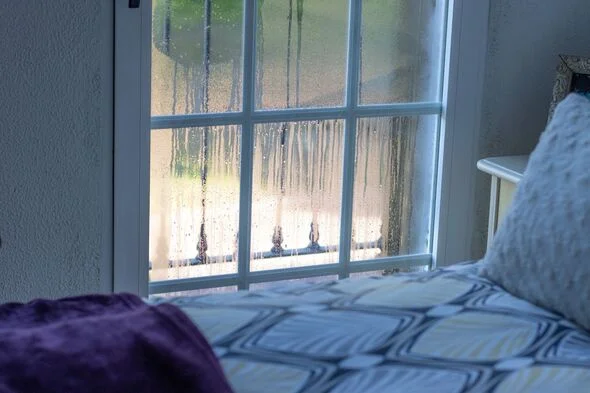
Condensation in the bedroom is a surprisingly common indoor moisture issue. Many people notice water droplets on bedroom windows in the morning, damp-feeling walls, or slightly wet window frames after waking up. Because bedrooms are usually quiet, clean, and not associated with water use, condensation here often feels confusing.
In most cases, condensation in the bedroom is caused by moisture released overnight combined with lower temperatures and limited airflow. This article explains why condensation appears in bedrooms, why it is often worse at night, and how to understand when it is normal versus persistent.
Why Bedrooms Are Prone to Condensation
Bedrooms create unique indoor conditions that encourage condensation.
Key factors include:
- long periods of closed doors and windows
- reduced airflow during sleep
- steady moisture release from breathing
- cooler nighttime temperatures
Unlike kitchens or bathrooms, bedrooms may not feel humid, yet moisture can quietly build up overnight.
Moisture From Breathing While Sleeping
One of the main causes of bedroom condensation is human respiration.
During sleep:
- each person releases moisture into the air
- moisture accumulates over several hours
- humidity rises gradually without being noticed
In a closed bedroom, this moisture has little opportunity to escape, especially overnight.
Why Condensation Appears Overnight
Condensation in bedrooms is most noticeable in the morning.
This happens because:
- outdoor temperatures drop at night
- windows and exterior walls cool for hours
- airflow is minimal while sleeping
- moisture builds up steadily
By morning, conditions are ideal for condensation to form on cold surfaces.
Bedroom Windows and Condensation
Windows are the most common place to see condensation in bedrooms.
This is because:
- glass cools faster than walls
- bedrooms often have curtains or blinds closed
- airflow near windows is restricted
Condensation on bedroom windows in the morning is one of the most typical patterns of indoor condensation.
Condensation on Bedroom Walls
Condensation can also form on bedroom walls, especially:
- exterior walls
- corners of the room
- areas behind furniture
Wall condensation is often less visible than window condensation and may go unnoticed for long periods.
Condensation Behind Bedroom Furniture
Large bedroom furniture can worsen condensation.
Wardrobes, beds, and cabinets placed against exterior walls:
- block airflow
- prevent walls from warming evenly
- slow down moisture evaporation
As a result, condensation may persist behind furniture even when the room appears dry.
Condensation Without Leaks in Bedrooms
Bedroom condensation often occurs without any leaks or water damage.
This happens because:
- moisture comes from indoor air
- surfaces become cold overnight
- condensation forms naturally
The absence of leaks is one reason bedroom condensation is often misunderstood.
Bedroom Condensation in Winter
Winter is the most common season for bedroom condensation.
Reasons include:
- colder outdoor temperatures
- warmer indoor air from heating
- larger temperature differences
- longer periods of closed windows
Morning condensation in bedrooms during winter is especially common and often considered normal.
Bedroom Condensation in Summer
Condensation can also appear in bedrooms during summer, particularly when:
- outdoor air is humid
- air conditioning cools indoor surfaces
- windows remain closed
In summer, condensation may appear on cooled walls or windows rather than cold exterior walls.
Bedroom Condensation vs Humidity
Condensation and humidity are closely related but not the same.
- Humidity refers to moisture in the air
- Condensation is moisture becoming visible on surfaces
A bedroom can feel comfortable while still experiencing condensation if surfaces cool enough overnight.
Why Some Bedrooms Have Condensation and Others Don’t
It’s common for condensation to appear in one bedroom but not another.
This may depend on:
- room orientation
- number of occupants
- window size and exposure
- furniture placement
- airflow patterns
These differences explain why condensation is often uneven within the same apartment.
When Bedroom Condensation Is Normal
Bedroom condensation is usually considered normal when:
- it appears mainly overnight
- it clears during the day
- it is seasonal
- it affects limited areas
These patterns reflect typical indoor moisture behavior.
When Bedroom Condensation Becomes Persistent
Condensation may be more concerning when it:
- appears every night
- leaves walls or frames damp all day
- spreads to multiple surfaces
- returns quickly after drying
Persistent condensation usually points to ongoing moisture imbalance rather than a temporary situation.
Bedroom Condensation and Airflow
Airflow strongly influences bedroom condensation.
Condensation lasts longer when:
- doors remain closed all night
- windows stay sealed
- curtains block air circulation
Bedrooms often have the least airflow in an apartment, which explains why condensation appears there so frequently.
Bedroom Condensation and Mold Risk
Occasional bedroom condensation does not automatically lead to mold.
However, repeated condensation that keeps surfaces damp over time may:
- affect wall finishes
- discolor window frames
- contribute to mold growth in hidden areas
This is why bedroom condensation is often discussed alongside mold and humidity.
Why Bedroom Condensation Often Goes Unnoticed
Bedroom condensation is sometimes missed because:
- it forms overnight
- it evaporates after waking
- walls may look dry
By the time the room is in use, visible signs may already be gone.
How Bedroom Condensation Develops Over Time
The typical pattern looks like this:
- moisture builds up during sleep
- temperatures drop overnight
- surfaces cool
- condensation forms
- moisture slowly evaporates during the day
This cycle can repeat nightly without obvious warning signs.
Condensation in the bedroom is a common indoor moisture issue, especially overnight and during colder seasons. It is mainly caused by moisture released through breathing, combined with reduced airflow and cooler surface temperatures. Windows, exterior walls, corners, and areas behind furniture are the most frequent condensation spots.
In many cases, bedroom condensation is normal and temporary. It becomes more relevant when it is persistent, widespread, or leaves surfaces damp for long periods. Understanding bedroom condensation as part of a natural overnight moisture cycle helps explain why it appears and why it often goes unnoticed.
Frequently Asked Questions
Why do I get condensation in my bedroom at night?
Because moisture from breathing builds up while surfaces cool overnight.
Is condensation in the bedroom normal?
Yes, especially in winter or overnight.
Why is condensation worse in the morning?
Overnight cooling and reduced airflow increase condensation.
Can bedroom condensation happen without leaks?
Yes. It usually comes from indoor moisture, not leaks.
Does bedroom condensation increase mold risk?
Only if it is persistent and keeps surfaces damp for long periods.