
Latest posts
-
Best Mold Test Kits for Home Use: Do They Actually Work?

You spot something dark and fuzzy in the corner of your bathroom ceiling. Or maybe there’s a musty smell coming from behind the wardrobe that just won’t go…
-
Best Dehumidifiers for Basement: Top Picks for Every Budget
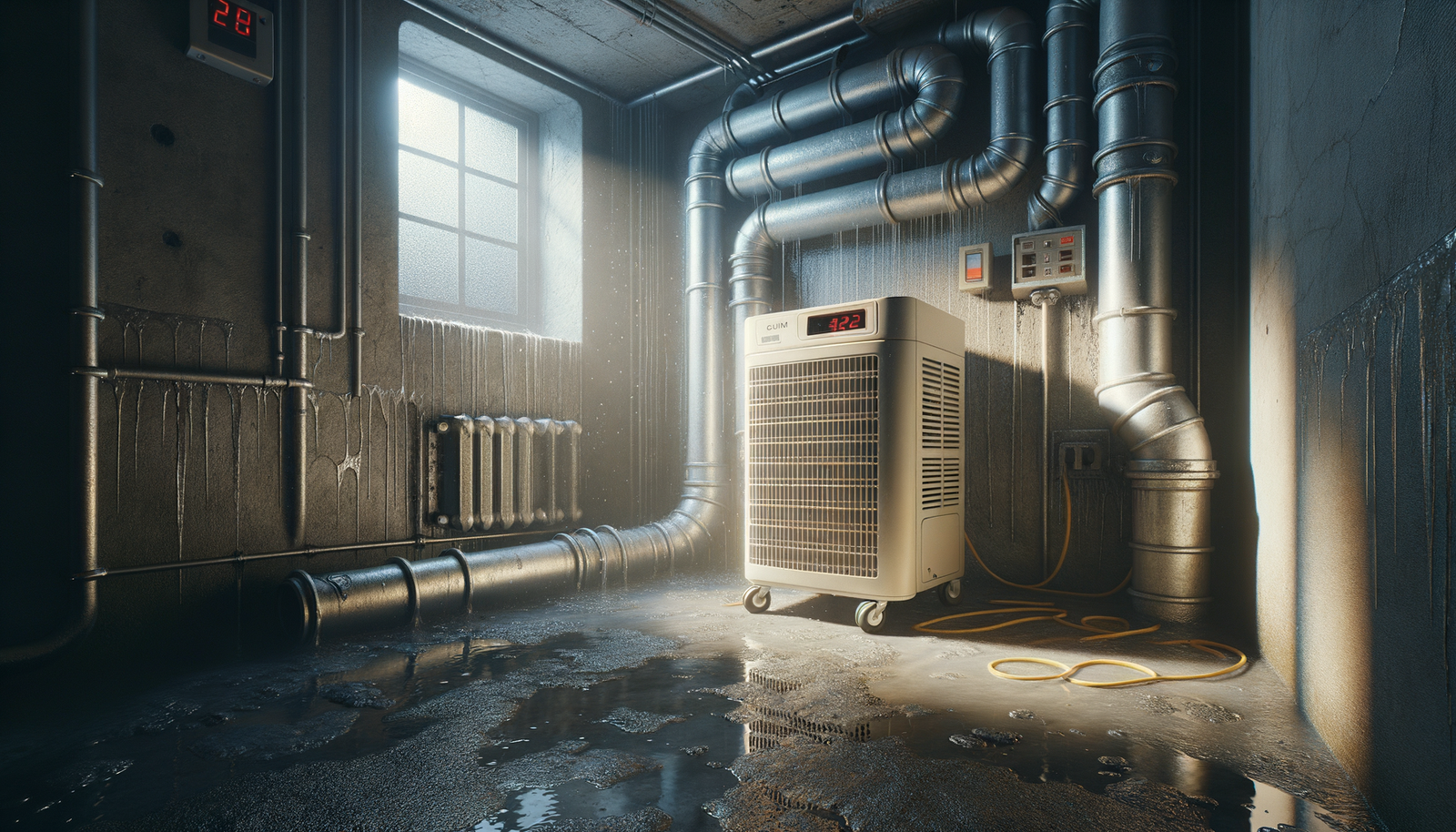
You walk downstairs and that smell hits you immediately — damp concrete, maybe a faint mustiness, the kind of air that feels heavier than it should. Your basement…
-
Humidity in Home Gyms: How to Manage Sweat and Moisture During Workouts
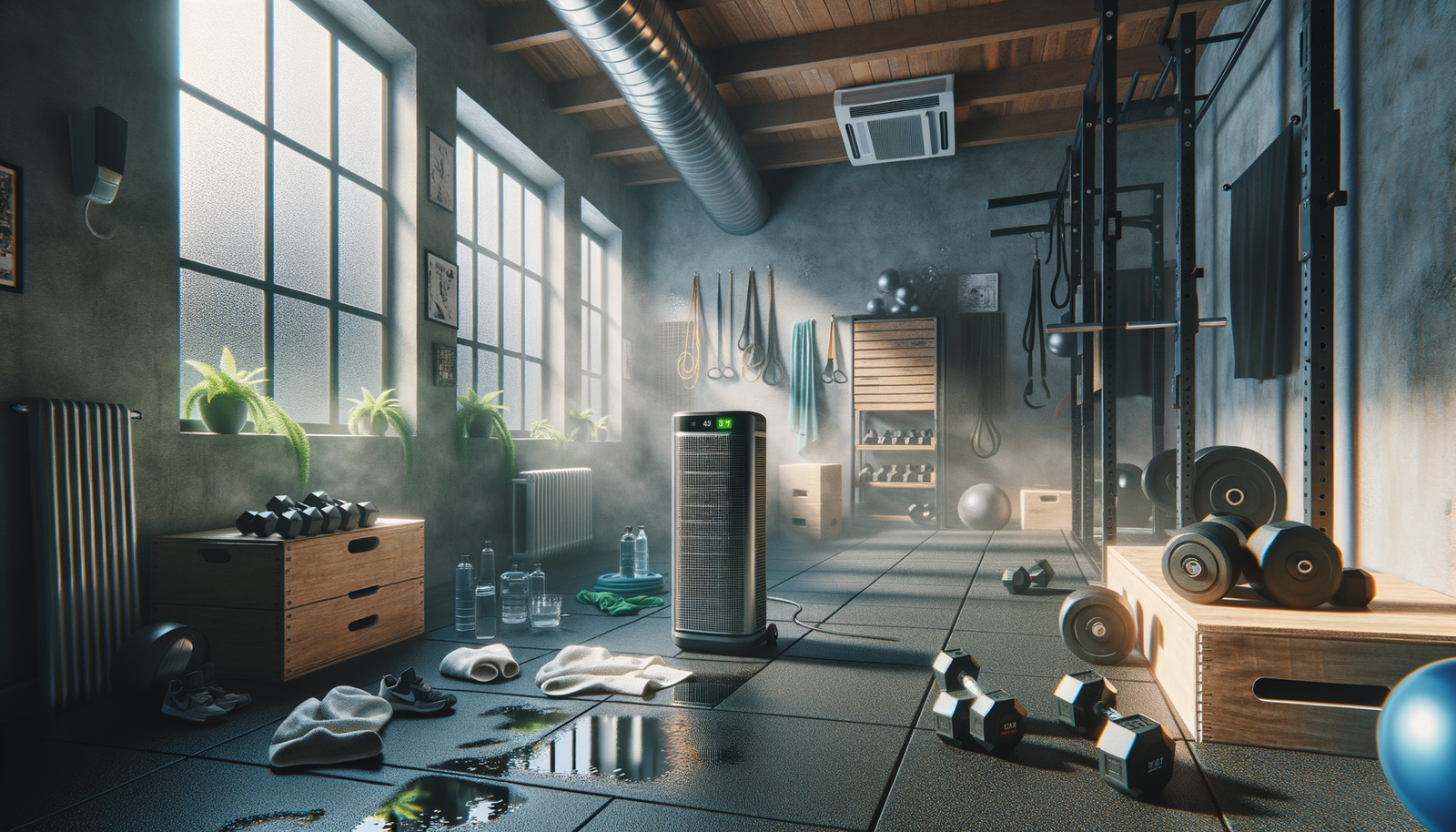
You finish a hard set of deadlifts, you’re dripping, the room smells like effort, and the mirror is fogging up. Sound familiar? Home gyms are one of those…
-
DIY Home Ventilation Audit: How to Check if Your Exhaust Fans Actually Work

You run the bathroom exhaust fan every time you shower. You flip it on, get on with your morning, and assume it’s doing its job. But here’s the…
-
Damp Walls in Rental Properties: Who Pays for Professional Structural Drying?

You notice a dark patch spreading across the wall behind your sofa. You tell your landlord. They say it’s your fault for not ventilating properly. You disagree. Three…
-
Condensation on Double Paned Windows: Does It Mean the Seal Is Broken?

You walk into your living room on a cold morning and notice water droplets forming on your double-paned windows. Your heart sinks as you wonder: did those expensive…
-
Does Vinegar Really Kill Mold? Science-Based Comparison with Commercial Bleach
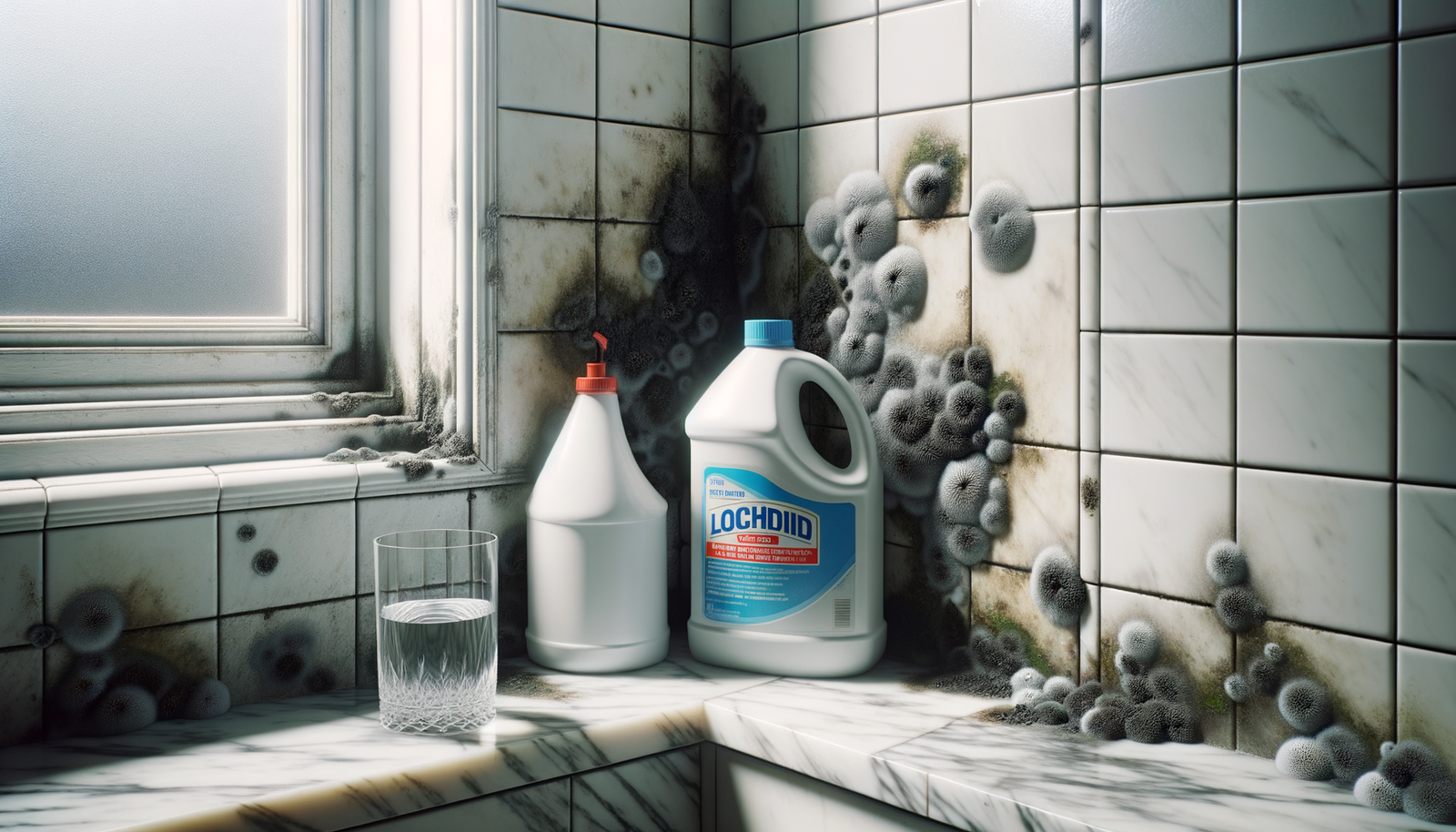
You’ve spotted mold growing on your bathroom tile, and someone just told you that plain white vinegar will kill it as well as bleach. Sounds too good to…
-
How Humidity Affects Smart Home Sensors: Why Your Readings Might Be Wrong

Your smart thermostat claims it’s 72°F and 45% humidity, but your skin feels dry as parchment and static electricity zaps you every time you touch a doorknob. Meanwhile,…
-
Best Time of Day to Ventilate an Apartment

You crack open the living room window at 3 PM on a stuffy afternoon, expecting instant relief. But twenty minutes later, you’re actually feeling more uncomfortable — the…
-
Can Fans Reduce Indoor Humidity?

You’ve probably stood in your stuffy apartment on a humid summer day, cranked up that box fan, and wondered: does this thing actually help with the moisture, or…


