
Latest posts
-
Why Does My House Smell Musty in the Morning?
Here’s what most articles get wrong about the morning musty smell: they blame mold first, ventilation second, and leave it at that. But the real culprit is almost…
-
Mold on Mattress: How to Find It, Remove It and Prevent It
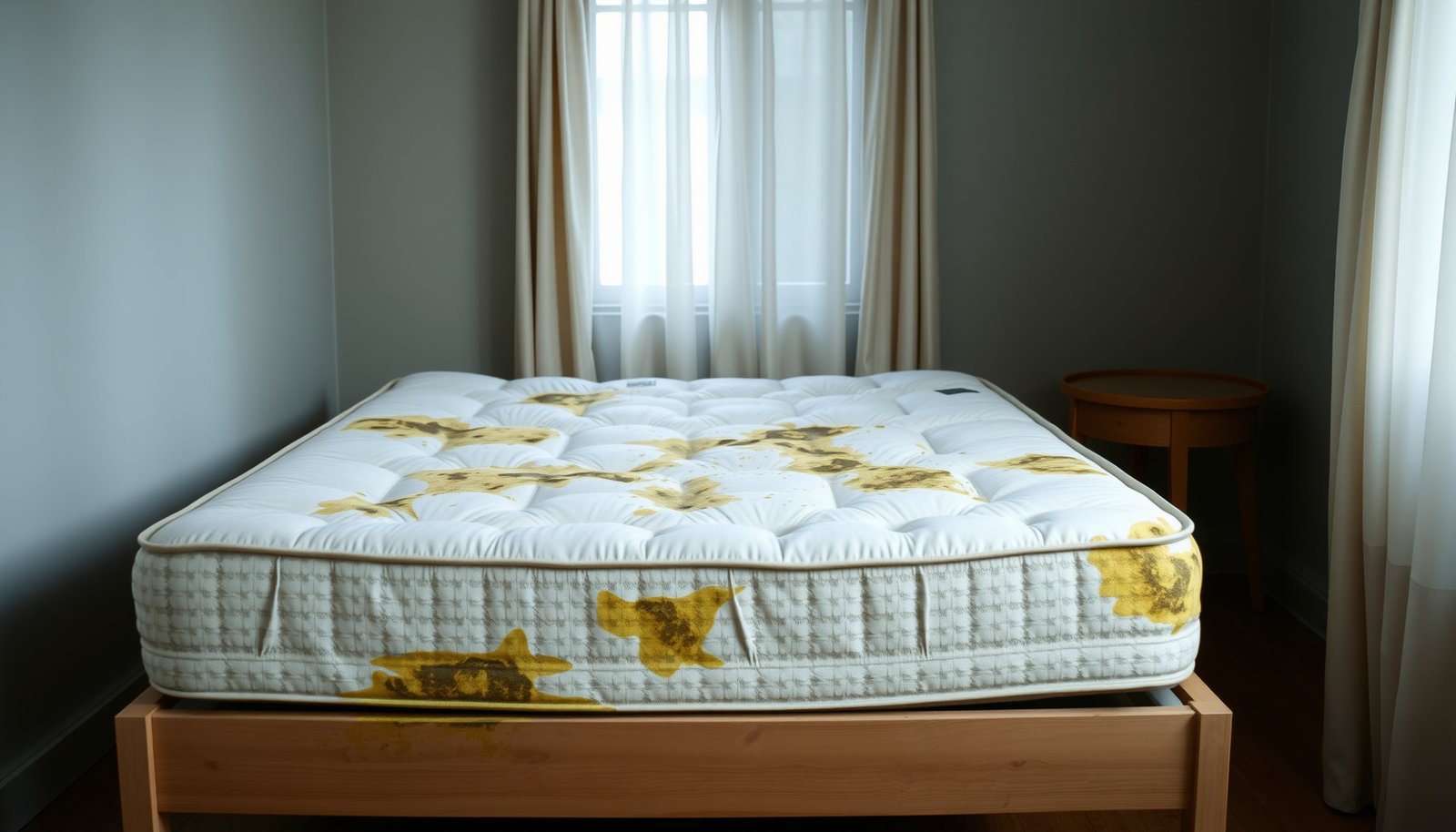
Bottom line: Mold on a mattress is almost never a surface problem — it’s a moisture problem, and until you fix the source, no amount of scrubbing will…
-
Best Dehumidifiers for Grow Tents and Indoor Gardens

Here’s what most grow tent guides get completely wrong about dehumidifiers: they treat humidity control like a single-stage problem. Pick a unit, set it to 55%, done. But…
-
Humidity for Home Sauna and Steam Room Construction
Bottom Line Up Front: Building a home sauna or steam room isn’t just a carpentry project — it’s a humidity engineering challenge, and the single most expensive mistake…
-
How to Winterize Your Dehumidifier: Storage and Maintenance Guide
Bottom Line Up Front: Storing your dehumidifier for winter takes about 20 minutes — but skipping two specific steps (draining the internal reservoir completely and cleaning the coils…
-
Annual HVAC Mold Inspection Checklist: When to Call a Pro
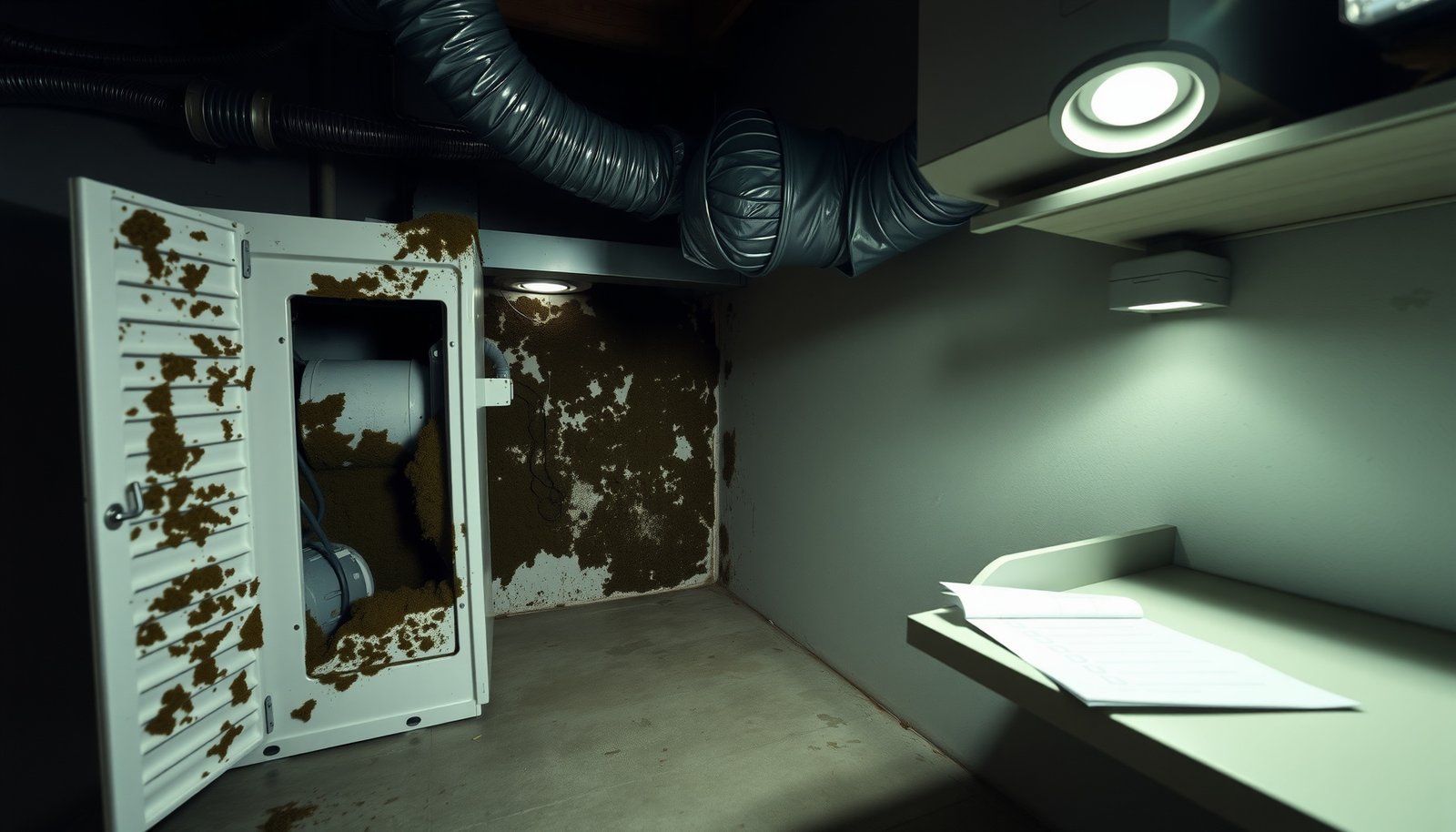
Bottom Line Up Front: Your HVAC system is the single most efficient mold-delivery mechanism in your home — and a visual spot-check of your vents isn’t remotely close…
-
Spring Cleaning for Indoor Air Quality: 10-Step Action Plan
Spring opens your windows — and quietly invites every outdoor allergen, mold spore, and humidity spike straight into your living space. Most spring cleaning guides focus on surfaces.…
-
Pre-Summer Mold Prevention: Your April to June Action Plan
Mold doesn’t wait for summer — it starts colonizing your home in April, while you’re still thinking about spring cleaning. That’s the window most homeowners miss entirely, and…
-
When to Start Using a Dehumidifier in Spring: Seasonal Timing Guide
A hygrometer reading above 50% relative humidity is your actual start signal — not the date on the calendar. Most spring dehumidifier guides tell you to wait for…
-
Best Sound Machines and Air Purifier Combos for Sensitive Sleepers
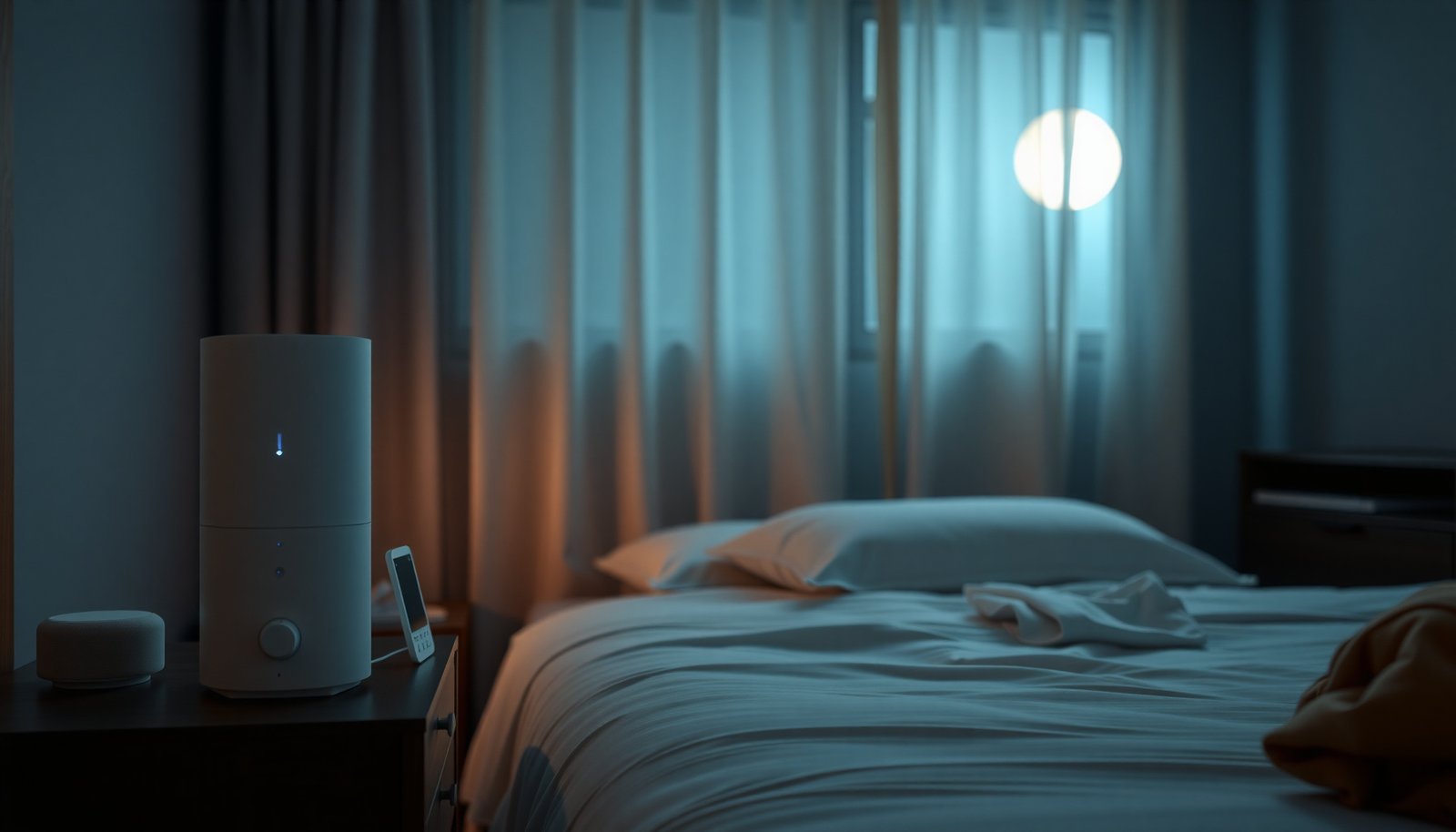
Here’s what most articles get completely wrong about sound machine and air purifier combo units: they treat the pairing as a convenience feature — two fewer cords on…


