
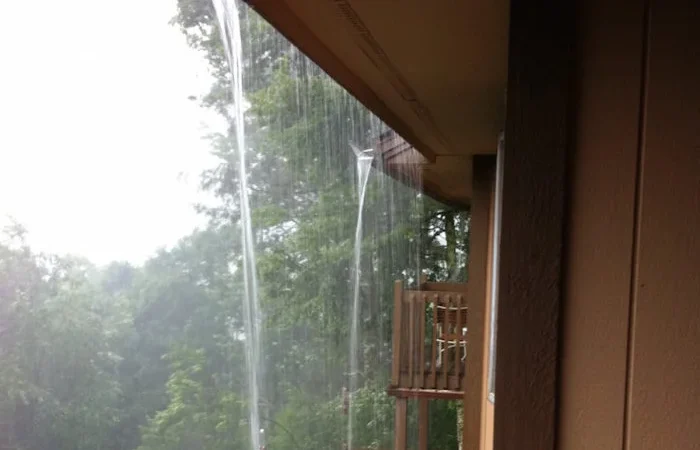
Many people notice that their home feels damp or heavy shortly after rainfall. Even when windows stay closed and no water enters the building, indoor air can suddenly feel more humid. Walls may feel cooler, windows may fog slightly, and rooms that normally feel dry can feel uncomfortable.
Indoor humidity spikes after rain not because water enters the home directly, but because the surrounding air, pressure conditions, and moisture balance change all at once. Understanding what happens after rainfall helps explain why indoor humidity rises even in well-sealed homes.
Rain Changes the Moisture Content of Outdoor Air
Rain increases the amount of moisture in the air surrounding a building. After rainfall, outdoor air often becomes saturated or close to saturation, especially in mild or warm temperatures.
Even without opening windows, this moisture-rich air interacts with the building envelope. Walls, foundations, and ventilation pathways allow humidity to influence indoor air gradually.
The home does not need to be “open” to feel the effects of wet outdoor air.
Pressure Changes Push Moist Air Indoors
Rainfall is often accompanied by changes in atmospheric pressure. When pressure drops, air movement shifts subtly around and through buildings.
These pressure differences can draw moist outdoor air into the home through small gaps, ventilation openings, and natural air exchange pathways. This process is slow and invisible, but it increases indoor humidity without any obvious airflow.
Pressure-driven moisture movement is one of the main reasons humidity rises even when windows are closed.
Cooler Temperatures Reduce Drying Indoors
After rain, outdoor temperatures often drop. Cooler air holds less moisture, which changes how humidity behaves indoors.
As indoor surfaces cool slightly, moisture in the air becomes more noticeable. Walls, windows, and floors dry more slowly, allowing humidity to linger longer than usual.
This reduced drying efficiency makes indoor air feel damp even if moisture levels rise only moderately.
Moisture Stored in Building Materials
Rain increases moisture levels in the ground, exterior walls, and surrounding materials. Concrete, brick, and masonry absorb moisture slowly and release it gradually over time.
After rainfall, this stored moisture influences indoor humidity through slow transfer. Even without leaks, moisture moves inward through materials, raising indoor humidity subtly but consistently.
This process explains why humidity spikes can last for hours or days after rain stops.
Ventilation Behaves Differently After Rain
Natural ventilation works best when outdoor air is drier than indoor air. After rain, outdoor air is often more humid than the air inside.
When humid outdoor air enters the home, it does not remove moisture — it adds to it. As a result, normal air exchange patterns that usually help dry the home become less effective.
This makes indoor humidity spikes after rain feel unexpected and persistent.
Why Basements and Lower Floors Feel It First
Lower levels of a home often show the effects of post-rain humidity first. Ground moisture increases, temperatures are cooler, and airflow is limited.
Moisture from wet soil and foundations influences indoor humidity more strongly at these levels. This is why basements and storage areas often feel damp after rain, even if upper floors feel mostly unchanged.
Why Indoor Humidity Feels Heavier After Rain
Humidity after rain often feels different from other humidity spikes. The air may feel heavy, stale, or cool rather than warm and sticky.
This sensation comes from a combination of high relative humidity, reduced airflow, and cooler temperatures. Even moderate moisture levels feel more noticeable under these conditions.
The discomfort is about how moisture behaves, not just how much moisture is present.
Rainfall vs Indoor Moisture Sources
Unlike cooking or showering, rain does not introduce moisture at a single point inside the home. Instead, it affects the entire environment around the building.
This makes post-rain humidity feel widespread and harder to pinpoint. There is no single activity to blame, which often leads to confusion about the source.
Rain influences indoor humidity indirectly but broadly.
When Indoor Humidity After Rain Is Normal
Some increase in indoor humidity after rain is normal, especially in humid climates or during long rainfall periods. If the air gradually dries as weather improves, this usually reflects natural moisture exchange.
Normal post-rain humidity:
- appears temporarily
- fades as outdoor conditions improve
- does not cause odors or condensation
- does not worsen over time
In these cases, humidity spikes are part of environmental response.
When Post-Rain Humidity Becomes a Concern
Indoor humidity deserves attention when spikes after rain become frequent or prolonged.
Signs of concern include persistent damp smells, condensation forming regularly, or humidity remaining elevated long after rain ends. These patterns suggest that moisture is entering or staying inside faster than it can dissipate.
This may indicate poor drying conditions rather than direct water intrusion.
Indoor humidity spikes after rain because outdoor air becomes moisture-rich, pressure conditions shift, and drying efficiency decreases. Moisture moves into homes gradually through air exchange and building materials, even without leaks or open windows.
Understanding this process helps explain why homes feel damp after rain and why the effect can linger. Recognizing post-rain humidity as an environmental response makes it easier to distinguish normal behavior from patterns that indicate ongoing moisture imbalance.
Frequently Asked Questions
Why does my house feel humid after rain?
Because outdoor air becomes moisture-rich and drying slows.
Can rain increase indoor humidity without leaks?
Yes, through air exchange and moisture transfer.
Why does humidity last after rain stops?
Because moisture releases slowly from materials.
Is post-rain humidity normal?
Yes, if it clears as conditions improve.