
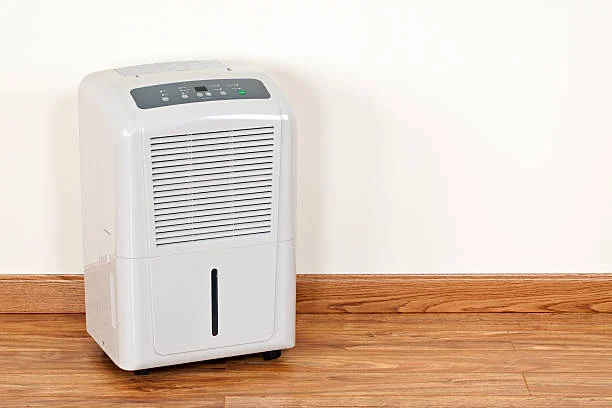
One of the most common questions people ask after buying a dehumidifier is how long it should actually run. Some assume it should stay on all day, while others worry about energy use, noise, or drying the air too much. The lack of a clear answer often leads to confusion and inconsistent use.
The truth is that there’s no single correct runtime for a dehumidifier. How long it should run depends on your indoor environment, humidity patterns, airflow, and the specific goals you’re trying to achieve. This article explains how dehumidifier runtime works in practice, what influences it, and how to find a balanced approach that improves comfort without unnecessary strain.
Why Dehumidifier Runtime Matters
A dehumidifier doesn’t just remove moisture; it changes how indoor air behaves over time. Running it too little may leave humidity unchanged, while running it continuously may dry the air more than intended or consume unnecessary energy.
The goal isn’t to run a dehumidifier as long as possible, but to run it as long as needed to stabilize humidity. Understanding this distinction helps avoid both underuse and overuse, ensuring your device works efficiently without creating new problems.
What Your Dehumidifier Is Actually Responding To
A dehumidifier responds to humidity levels in the air at any given moment, not to long-term moisture stored in walls, floors, or furniture. This means that runtime is closely tied to how quickly moisture enters the air and how efficiently it’s removed.
Moisture enters indoor air continuously through breathing, cooking, showers, and airflow from outside. Your dehumidifier must keep up with this constant input. If moisture enters slowly, the device needs less runtime. If moisture enters constantly, runtime naturally increases.
| Moisture Source | Daily Water Added | Runtime Impact |
|---|---|---|
| Family of 4 breathing | 2-3 gallons | Moderate increase |
| Hot shower (10 minutes) | 0.5 gallons | 2-3 hour spike |
| Cooking dinner | 0.25 gallons | 1-2 hour increase |
| Laundry drying indoors | 2-4 gallons | 6-8 hour increase |
Initial Drying vs Ongoing Maintenance
Dehumidifier use often happens in two distinct phases, even if people don’t notice it consciously. At the beginning, especially in a damp room, the device may run for long periods and collect a large amount of water. This phase is about reducing excess humidity that’s already built up.
Once humidity stabilizes, runtime usually decreases significantly. At this stage, the dehumidifier shifts into maintenance mode, removing smaller amounts of moisture to prevent levels from rising again. Understanding this difference helps explain why a dehumidifier may run frequently at first and then cycle on and off more predictably over time.
When Continuous Running Is Actually Necessary
In certain environments, a dehumidifier may need to run 12-18 hours a day or more. This often happens when outdoor air is consistently humid, ventilation is limited, the room is used frequently, or moisture sources are constant.
- Basements with poor ventilation during summer months
- Bathrooms without exhaust fans or windows
- Laundry rooms where clothes are regularly dried indoors
- Coastal homes during high humidity seasons
- Crawl spaces with moisture intrusion issues
In these cases, long runtimes don’t indicate a malfunction. They indicate that the device is responding to real moisture input. However, continuous running should still feel purposeful. If humidity doesn’t improve over time, runtime alone won’t solve the underlying problem.
When Running Too Long Becomes Counterproductive
While dehumidifiers are designed to run for extended periods, running one constantly without monitoring conditions can create new discomfort. Over-drying the air may lead to dry throat or nasal passages, increased static electricity, discomfort during sleep, and faster drying of wood surfaces than intended.
This is why runtime should be guided by indoor conditions rather than habit. When humidity drops below 30%, most people start experiencing discomfort, regardless of how efficiently the dehumidifier is running.
“The optimal indoor humidity range is 30-50%, with most people feeling comfortable between 40-45%. Running a dehumidifier beyond this point typically creates more problems than it solves, including respiratory irritation and increased energy costs.”
Dr. Sarah Chen, Indoor Air Quality Specialist
Finding Your Optimal Runtime Pattern
Most people don’t need to think in exact numbers, but having a rough target helps guide runtime decisions. Indoor comfort usually improves when humidity feels balanced rather than dry or heavy. A dehumidifier should ideally cycle on and off around this comfort range instead of running continuously.
When this happens naturally, runtime becomes more predictable and efficient. You’ll notice the device running for 2-4 hours at a time, then shutting off for similar periods as humidity levels stabilize.
Factors That Determine Your Runtime Needs
Several key factors influence how long your dehumidifier should run each day. Understanding these helps set realistic expectations and identify when adjustments might be needed.
- Calculate your space’s square footage and ceiling height to understand the total air volume
- Account for connected areas where air flows freely between rooms
- Consider obstacles like furniture or walls that may block airflow and create humid pockets
- Monitor seasonal changes that affect outdoor humidity and indoor moisture sources
- Assess your daily activities that add moisture to the air
- Evaluate your home’s ventilation system and natural air exchange
This doesn’t necessarily mean the dehumidifier is underpowered, but it does mean expectations should be adjusted accordingly. Large, open spaces may require longer runtimes than smaller, enclosed rooms.
Combining Dehumidifiers with Ventilation
Running a dehumidifier without adequate ventilation can lead to long runtimes with limited improvement. Fresh air exchange helps reduce the moisture load before the dehumidifier starts working. When ventilation and dehumidification work together, runtime often decreases because the device isn’t fighting trapped moisture.
Simple strategies like using exhaust fans during showers, opening windows during low-humidity periods, or running ceiling fans can significantly reduce dehumidifier workload and runtime.
Seasonal Runtime Variations
Dehumidifier runtime often follows predictable seasonal patterns. In summer, high outdoor humidity means moisture constantly enters the space, leading to runtimes of 8-16 hours daily. In winter, heating systems and natural ventilation may reduce humidity naturally, shortening runtime to 2-6 hours daily.
These seasonal changes are strong indicators that runtime is responding to environmental conditions rather than device performance issues. Expecting consistent runtime year-round often leads to unnecessary concern about equipment function.
Warning Signs of Inefficient Runtime
There’s no strict upper limit for daily runtime, but warning signs of inefficient operation include constant operation with little water collected, no noticeable improvement in air comfort, and humidity returning immediately after shutdown.
These signs suggest that moisture sources or airflow need attention rather than increased runtime. Sometimes the solution involves addressing leaks, improving ventilation, or relocating the dehumidifier rather than running it longer.
Focus on Results, Not Hours
The most reliable indicator of proper dehumidifier runtime is how the room behaves over time. When the air feels lighter, surfaces dry faster, and humidity no longer spikes after activities, runtime is likely appropriate for your space.
Pay attention to comfort levels rather than trying to hit specific hour targets. A well-functioning dehumidifier in the right environment will naturally find its rhythm, running longer when needed and cycling off when conditions stabilize.
Frequently Asked Questions
Should a dehumidifier run all day?
Sometimes, especially in humid conditions, but not always. In highly humid environments like basements or coastal areas, running 12-18 hours daily is normal. However, once humidity stabilizes between 40-50%, the unit should cycle on and off rather than run continuously.
Why does my dehumidifier keep turning on and off?
Because it’s responding to changing humidity levels throughout the day. This cycling behavior is actually ideal – it means your dehumidifier is maintaining target humidity levels rather than over-drying the air. Expect 2-4 hour cycles during normal operation.
Is it bad to run a dehumidifier overnight?
No, as long as air doesn’t feel overly dry in the morning. Many dehumidifiers actually work more efficiently at night when doors are closed and ventilation is reduced. Just ensure humidity doesn’t drop below 30%, which can cause throat irritation and static electricity.
How do I know if my dehumidifier is working properly?
When humidity stabilizes and comfort improves over time. You should notice the air feeling less heavy, surfaces drying faster, and the unit cycling on and off predictably. If it runs constantly without collecting water or improving comfort, check for ventilation issues or moisture sources.
Remember that effective dehumidifier use is about finding the right balance for your specific environment. Trust your comfort level and let the device respond naturally to changing conditions rather than forcing it to run on a rigid schedule.