
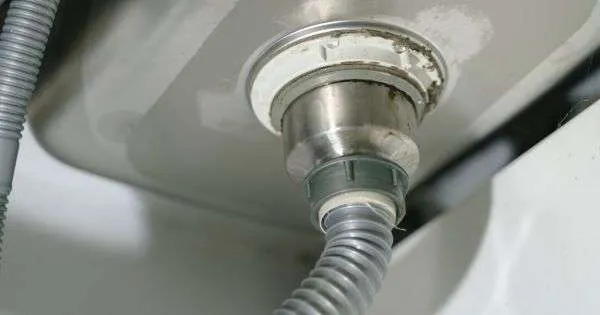
Moisture under the kitchen sink is a common and unsettling discovery. The cabinet may feel damp, surfaces may be cool to the touch, and a faint musty smell can develop even when no obvious leak is visible. Because the sink area contains plumbing, moisture is often immediately blamed on a hidden drip.
In reality, moisture under a kitchen sink is frequently caused by humidity and condensation, not active leaks. Understanding how moisture behaves in this enclosed space helps explain why dampness appears, why it can persist, and when it truly signals a plumbing problem.
Why the Area Under the Sink Is Prone to Moisture
The space beneath a kitchen sink combines several moisture-friendly conditions. It is enclosed, poorly ventilated, and often cooler than the surrounding room. Pipes running through the cabinet can also create temperature differences that encourage condensation.
Warm, humid kitchen air enters the cabinet through small gaps and openings. When this air meets cooler surfaces inside, moisture condenses quietly. Over time, this creates dampness even without any water escaping from the plumbing.
This is why sink cabinets often feel different from the rest of the kitchen.
Condensation on Pipes and Cabinet Surfaces
Pipes under the sink often carry cold water. When warm, humid air comes into contact with these cold surfaces, condensation forms. This moisture may drip lightly or simply dampen surrounding materials.
Because this condensation is gradual and intermittent, it often goes unnoticed until moisture has already accumulated. The cabinet may feel damp without any visible pooling of water.
This process is especially common after cooking or dishwashing, when kitchen humidity is elevated.
Why Moisture Persists in Sink Cabinets
Unlike open kitchen areas, the space under the sink dries very slowly. Airflow is limited, and moisture has few opportunities to escape.
Cabinet materials such as wood or composite panels absorb moisture and release it slowly. Once damp, these materials can remain humid for long periods, even if kitchen air feels normal.
This slow drying explains why moisture under the sink often feels persistent rather than temporary.
Humidity vs Plumbing Leaks: Why the Difference Matters
Not all moisture under the sink comes from leaks. Humidity-related dampness usually appears gradually and may fluctuate depending on cooking activity, weather, or indoor airflow.
Plumbing leaks tend to create more consistent wetness, often localized near fittings or pipes. However, the absence of visible dripping does not automatically mean the moisture is harmless.
Understanding that humidity alone can create dampness helps avoid misdiagnosis and repeated frustration.
Why Musty Smells Often Develop Under the Sink
Moisture trapped in a dark, enclosed cabinet creates ideal conditions for odors. Dust, small food particles, and organic materials interact with lingering moisture, producing a musty smell.
Because the cabinet remains closed most of the time, odors concentrate and become noticeable when the door is opened. This smell often leads people to suspect mold immediately, even when visible growth is not present.
Odor is often the first sign of persistent moisture in this area.
The Role of Kitchen Humidity in Sink Cabinet Moisture
Kitchen humidity plays a significant role in under-sink dampness. Cooking, dishwashing, and boiling water release moisture into the air. This moisture spreads throughout the kitchen and finds its way into enclosed spaces.
When kitchen humidity rises regularly, the sink cabinet becomes a moisture trap. Even brief humidity spikes can contribute to long-term dampness because the cabinet dries so slowly.
This is why under-sink moisture often worsens over time rather than appearing suddenly.
Temperature Differences Inside the Cabinet
The interior of a sink cabinet often stays cooler than the surrounding kitchen. Pipes carrying cold water amplify this effect.
Cooler temperatures encourage condensation and slow evaporation. Moisture that enters the cabinet tends to stay there longer than on open surfaces, reinforcing damp conditions.
Temperature imbalance is a key reason this area behaves differently from the rest of the kitchen.
When Moisture Under the Sink Is Usually Normal
Some degree of moisture under the sink can be normal, especially during periods of high kitchen humidity or seasonal temperature changes. Light dampness that appears occasionally and dries naturally is usually not a cause for concern.
Normal moisture patterns often:
- fluctuate with cooking activity
- dry over time
- do not produce strong odors
- do not spread beyond the cabinet
In these cases, moisture reflects environmental conditions rather than damage.
When Under-Sink Moisture Deserves Attention
Moisture under the kitchen sink should be monitored when it becomes persistent or worsens over time.
Signs of concern include:
- dampness that never fully dries
- recurring musty odors
- cabinet materials swelling or discoloring
- moisture spreading to adjacent areas
These signs suggest that moisture conditions are not improving and may lead to longer-term issues.
Moisture Under the Sink and Mold Risk
Persistent dampness increases the risk of mold developing inside sink cabinets. Mold often grows in hidden areas first, making under-sink spaces a common starting point.
Mold does not appear immediately. It develops when moisture remains present over extended periods, especially in dark, enclosed environments.
This makes early moisture awareness important, even before visible growth appears.
How Under-Sink Moisture Affects Kitchen Comfort
While moisture under the sink may seem isolated, it contributes to overall kitchen air quality. Damp cabinets can release odors and humidity back into the room, affecting how the kitchen feels.
Over time, this subtle moisture source can influence broader indoor humidity patterns, especially in smaller apartments.
Moisture under a kitchen sink is often caused by humidity, condensation, and slow drying rather than obvious leaks. Enclosed cabinets, cooler temperatures, and limited airflow allow moisture to accumulate quietly over time.
Understanding how and why this moisture forms helps distinguish between normal environmental dampness and patterns that deserve closer attention. Addressing moisture behavior early prevents odors, material damage, and potential mold growth in this hidden but important kitchen space.
Frequently Asked Questions
Is moisture under the sink always a leak?
No. It is often caused by condensation and humidity.
Why does the cabinet feel damp even without water dripping?
Because moisture condenses on cool surfaces and dries slowly.
Can kitchen humidity cause under-sink moisture?
Yes. Cooking and dishwashing increase humidity that enters cabinets.
Is under-sink moisture a mold risk?
Yes, if dampness remains for long periods.