
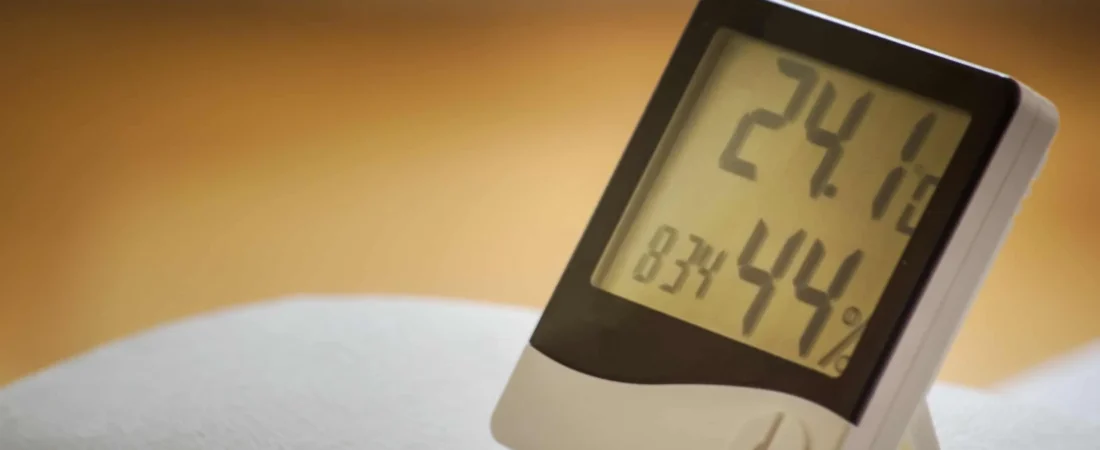
Your apartment thermometer reads a comfortable 70°F. The hygrometer shows 42% relative humidity—perfectly within guidelines. Yet the air feels oppressive. By late evening, you develop a dull headache. Morning grogginess persists despite eight hours in bed. Your partner complains of scratchy throat and dry eyes. You attribute it to “winter indoor air” or perhaps catching a cold, never suspecting that your sealed, energy-efficient apartment is creating a closed-loop system where CO2 from respiration accumulates above 1,600 ppm (double the acceptable threshold).
VOCs from building materials and furniture concentrate without fresh air dilution, combustion byproducts from gas heating infiltrate living spaces through inadequate venting, and reduced air exchange allows every pollutant—from cooking particles to cleaning product residues—to reach concentrations 2-5 times higher than summer levels when windows opened freely provided natural ventilation. Research examining winter apartments documents that significantly higher CO2 concentrations occur in cold seasons than temperate seasons, indicating inefficient ventilation during sleep and occupied periods, with bedroom levels routinely exceeding 1,500-2,000 ppm despite occupants believing their “sealed for energy efficiency” approach protects indoor air quality.
The apartment-specific challenge compounds standard winter IAQ problems. Unlike single-family homes where occupants control all aspects of building operation, apartment dwellers face shared HVAC systems often operated to minimize heating costs rather than optimize ventilation, sealed building envelopes designed for energy efficiency that eliminate natural air infiltration, central heating systems potentially contaminated and shared among units, gas appliances in compact spaces without adequate combustion air supplies, and limited control over ventilation infrastructure—you can’t install an ERV when you’re renting, and landlords rarely prioritize IAQ investments beyond minimum code compliance.
EPA guidance confirms apartments can have the same indoor air problems as single-family homes from furnishings and products, plus office-like issues from contaminated ventilation systems and improper maintenance, creating unique challenges where residents can take some actions (source control, portable filtration) but only building owners can remedy structural ventilation problems. This comprehensive guide examines the specific IAQ factors making winter apartments particularly challenging, explains why temperature and humidity control alone are insufficient, and provides evidence-based solutions renters can implement without major modifications while identifying situations requiring landlord intervention for habitability compliance.
Why Winter Apartments Fail the IAQ Test
Winter creates a perfect storm of apartment-specific factors degrading indoor air quality beyond what single-family homeowners experience.
The Energy Efficiency Paradox
Modern apartment construction prioritizes:
- Tight building envelopes (minimal air leakage)
- Energy-efficient windows and doors
- Sealed penetrations and insulation
- Centralized HVAC systems (capital cost sharing)
Benefit: Reduced heating costs per unit.
Consequence: Air exchange rates drop to 0.1-0.3 ACH (air changes per hour)—far below the 0.35-0.5 ACH recommended by ASHRAE for adequate ventilation.
Research finding: Studies on energy-efficient dwellings found that mechanical ventilation with heat recovery may considerably improve IAQ in winter because natural ventilation (opening windows) defeats energy efficiency, while sealed construction without mechanical ventilation creates inadequate air exchange.
Multi-Unit Density Amplifies Pollutants
Per-volume occupancy: Apartments pack more people per cubic foot of air than typical single-family homes.
Pollutant generation rate: Each person exhales ~18 L CO2/hour, sheds skin cells (dust mite food), and generates metabolic VOCs. Higher density = proportionally higher baseline pollutant load.
Shared spaces: Hallway contaminants, parking garage infiltration, neighbor cooking odors—all migrate between units through shared ventilation systems, wall penetrations, and doorways.
Limited Control Over Building Systems
Critical distinction: Homeowners can:
- Modify HVAC systems
- Install whole-house ventilation (ERV/HRV)
- Upgrade filtration
- Control thermostat and ventilation timing
Renters face:
- Centrally controlled heat (often inadequate fresh air intake)
- Inability to modify building systems
- Dependence on landlord responsiveness
- Limited or no control over shared ventilation
The Sealed Building Trap: Energy Efficiency vs. Air Quality
Understanding the design philosophy behind modern apartments clarifies why winter IAQ problems are structural, not accidental.
How Buildings Became Too Tight
Historical context: Pre-1970s apartments had substantial unintentional air leakage—gaps around windows, doors, wall penetrations. While energy-wasteful, this provided ~0.5-1.0 ACH naturally.
Energy crisis response: Building codes progressively tightened envelope requirements:
- Double/triple glazing windows with tight seals
- Weather stripping
- Sealed penetrations
- Continuous air barriers
Result: Modern apartments achieve 0.1-0.2 ACH without mechanical ventilation—insufficient for occupant-generated pollutants.
The Ventilation Code Loophole
Building codes require: Minimum ventilation rates (ASHRAE Standard 62.2: 0.35 ACH or specific CFM based on occupancy/area).
How apartments comply:
- Bath exhaust fans (intermittent operation)
- Kitchen range hoods (often recirculating, not venting outside)
- Supposed infiltration (but modern construction eliminates this)
The gap: Codes assume some natural infiltration. When construction eliminates infiltration but mechanical ventilation is intermittent or inadequate, actual ventilation falls below requirements—especially in winter when residents never open windows.
Measured Reality in Winter Apartments
Field research tracking apartments found:
- Bedroom CO2 regularly exceeds 1,500 ppm overnight (vs. <800 ppm target)
- Living spaces reach 1,200-1,600 ppm during occupied evening hours
- Kitchen and bathroom moisture accumulates (insufficient exhaust)
- PM2.5 from cooking remains elevated hours post-preparation
Translation: Despite compliance with building codes, actual winter apartment IAQ is frequently poor due to behavior (not opening windows) combined with inadequate continuous mechanical ventilation.
CO2 Accumulation in Tight Winter Apartments
Among winter IAQ factors, CO2 buildup is most prevalent and immediately consequential for occupant health and comfort.
Typical Apartment CO2 Progression
Evening scenario (family of 3-4 in 800 sq ft apartment):
6:00 PM: Windows closed (cold outside), occupants return home. Starting CO2: 420 ppm (outdoor baseline, assumes daytime was unoccupied).
7:00 PM: Cooking (gas stove adds combustion CO2), family in living/dining area. CO2: 650 ppm.
8:00 PM: Continued occupancy, minimal air exchange. CO2: 850 ppm.
9:00 PM: TV time, closed doors to bedrooms. CO2 in living room: 1,100 ppm.
10:00 PM: Bedtime. Parents’ bedroom (150 sq ft) sealed for night. Starting: ~800 ppm.
2:00 AM: Overnight accumulation, 2 adults breathing continuously. CO2: 1,600 ppm.
6:00 AM: Morning wake-up. CO2: 2,200 ppm—explaining grogginess, headache, difficulty waking.
Research confirms: Studies found significantly higher CO2 concentrations in bedrooms during cold seasons compared to temperate seasons, indicating inefficient ventilation during sleep.
Health and Performance Impacts
At 1,200-1,500 ppm:
- Reduced concentration and cognitive function
- Drowsiness and fatigue
- Stuffiness complaints
- Increased respiratory drive (breathing feels effortful)
At 1,500-2,000+ ppm:
- Significant cognitive impairment
- Morning headaches and grogginess
- Sleep quality degradation
- Difficulty waking/feeling unrefreshed
Chronic exposure: Months of winter breathing elevated CO2 nightly compounds effects—reduced sleep quality, impaired daytime performance, unexplained fatigue.
Heating System Contamination and Backdrafting
Apartment heating systems create IAQ risks distinct from hydronic or forced-air systems in single-family homes.
Shared HVAC Contamination
Central systems serving multiple units:
How contamination spreads:
- Unit A cooking generates PM2.5 and VOCs
- Exhaust from Unit A kitchen enters shared return ductwork
- Central air handler mixes return air from all units
- “Fresh” supply air delivered to Unit B contains pollutants from Units A, C, D, etc.
Research evidence: Studies document that contaminated ventilation systems and improperly placed outdoor air intakes cause IAQ problems similar to those in offices in multi-unit buildings.
Filter inadequacy: Many building systems use MERV 6-8 filters (captures large particles only). PM2.5, VOCs, and odors pass through completely.
Gas Heating and Combustion Appliances
Common apartment heating:
- Gas boilers or furnaces (often older, less efficient)
- Gas water heaters
- Gas stoves (cooking + supplemental heat)
Combustion byproducts:
- Carbon monoxide (CO)
- Nitrogen dioxide (NO2)
- PM2.5 from incomplete combustion
- VOCs from combustion process
Backdrafting: The Deadly Winter Risk
What is backdrafting: Combustion exhaust (meant to vent outside through flue/chimney) is drawn back into living space.
How it happens in apartments:
Negative pressure: When powerful exhaust fans (bath, kitchen) operate in tight apartments without adequate makeup air, they create negative pressure. This pressure differential can back-draft combustion gases from appliances.
Inadequate combustion air: Gas appliances need air for combustion. Sealed apartments provide insufficient makeup air → incomplete combustion → CO production.
Shared flues: Some older buildings have shared chimneys/flues. One unit’s exhaust can enter another unit’s living space.
EPA warning:Back-drafting can be a particular problem in weatherized or tightly constructed homes (and apartments). Combustion gases, including carbon monoxide, and particles can be back-drafted without proper venting or makeup air.
Detection: CO detectors mandatory. But low-level chronic CO exposure (<50 ppm) below detector alarms still causes health effects—headaches, fatigue, nausea.
VOC Concentration from Reduced Ventilation
Without regular air exchange, volatile organic compounds accumulate to levels far exceeding summer concentrations.
Indoor VOC Sources in Apartments
Building materials (landlord-controlled):
- Carpeting (especially if recently replaced)
- Paint (from renovations/turnover)
- Cabinetry (pressed wood, formaldehyde-based adhesives)
- Flooring (vinyl, laminate off-gassing)
Furnishings (tenant-controlled):
- Furniture (especially new particleboard items)
- Mattresses and bedding
- Curtains and rugs
- Electronics
Products (tenant-controlled):
- Cleaning supplies
- Air fresheners
- Personal care products
- Hobby materials
Winter VOC Accumulation
Summer scenario: Windows open periodically. VOC concentrations: 200-400 µg/m³ typical.
Winter scenario: Zero window opening for 3-4 months. VOC concentrations: 600-1,200 µg/m³ or higher.
Research confirms:VOC concentrations are typically 2-5 times higher indoors than outdoors from indoor sources, and reduced ventilation during winter dramatically amplifies this differential.
Health Impacts
Acute effects:
- Eye, nose, throat irritation
- Headaches
- Dizziness
- Nausea
- Respiratory irritation
Chronic effects:
- Sensitization (developing chemical sensitivities)
- Asthma exacerbation
- Potential neurological and liver/kidney effects from specific VOCs
Shared HVAC: The Multi-Unit Contamination Problem
The very system meant to provide comfortable temperature creates cross-contamination pathways in winter apartments.
How Shared Systems Spread Pollutants
Return air pathways: Most apartment HVAC systems draw return air from multiple units, mix it centrally, filter (inadequately), add minimal outdoor air, condition (heat), and redistribute.
Contaminant mixing: Cooking odors, VOCs, PM2.5, mold spores from one unit enter the shared return, then distribute to all connected units.
Inadequate outdoor air fraction: Many systems provide <20% outdoor air (code minimum often 15-20%). In winter, this fraction sometimes reduced further to minimize heating costs.
Result: You’re breathing recycled air from neighbors’ apartments with minimal fresh air dilution.
The Filtration Problem
Standard apartment HVAC filters: MERV 6-8
- Captures: Large dust particles (>10 microns)
- Misses: PM2.5, bacteria, viruses, VOCs, odors
What’s needed: MERV 13-16 (or HEPA)
- Captures: PM2.5, most bacteria/viruses
- Still misses: VOCs, odors (requires activated carbon)
Upgrade challenge: Many apartment HVAC systems can’t accommodate high-MERV filters without airflow reduction or system modification. Building owners rarely upgrade due to cost and complexity.
Apartment-Specific Pollutant Sources
Beyond general winter IAQ factors, apartments introduce unique pollutant sources and pathways.
Cooking in Compact Spaces
Apartment kitchens:
- Often smaller (200-300 sq ft combined kitchen/dining)
- Limited separation from living/sleeping areas
- Range hoods frequently recirculating (not venting outside) or undersized
Consequence: Cooking PM2.5 and VOCs disperse throughout entire apartment rapidly, with inadequate capture and long persistence times.
Compact Bathrooms and Moisture
Shower/bath moisture: Generates substantial humidity in small spaces. Inadequate exhaust → moisture migrates to rest of apartment → potential mold in closets, behind furniture.
Mold amplification: Once established, mold releases spores and MVOCs continuously—year-round indoor allergen source affecting all residents.
Parking Garage Infiltration
Underground/attached parking: Apartments above or adjacent to parking garages experience infiltration of:
- Vehicle exhaust (PM2.5, NOx, CO, benzene, other VOCs)
- Gasoline vapors
- Oil and lubricant odors
Pathway: Through floor penetrations, shared ventilation, garage doors opening to interior hallways.
Neighbor Smoking (Cigarette, Cannabis, Vaping)
Multi-unit reality: Smoke from one unit infiltrates others through:
- Shared ventilation ducts
- Wall penetrations (electrical, plumbing)
- Gaps around doors
- Hallways (smoke enters hallway, then infiltrates neighboring units)
Even smoke-free buildings: Enforcement challenges mean occasional violations, and smoke infiltration affects non-smoking residents.
Pest Control Chemical Exposure
Building-wide treatments: When landlords fog/spray for pests, chemicals disperse through ventilation systems and infiltrate all units, regardless of whether individual unit has infestation.
What Renters Can Control vs. What Requires Landlord Action
Understanding this division clarifies realistic solutions and when to escalate to building management or authorities.
Renter-Controlled Actions (Immediate Implementation)
Source control:
- Choose low-VOC products (cleaning, personal care)
- Limit air fresheners, scented candles
- Properly store chemicals
- Select low-emission furnishings when purchasing
Portable air purification:
- HEPA air purifiers (capture PM2.5)
- Activated carbon filters (capture VOCs)
- Size appropriately for rooms
Strategic ventilation:
- Open windows briefly during warmer winter days (even 10 minutes helps)
- Run bath/kitchen exhaust fans correctly
- Use door gaps/transfer grilles for bedroom air circulation
CO monitoring:
- Install battery-powered CO detectors (legal requirement in most jurisdictions)
- Monitor CO levels; address immediately if detected
Humidity control:
- Portable dehumidifiers if moisture problems
- Avoid over-humidification (targets 30-50% RH)
Landlord-Required Actions (Tenant Must Request)
HVAC system issues:
- Duct cleaning
- Filter upgrades (if system compatible)
- Increasing outdoor air intake
- Repairing contaminated systems
Ventilation infrastructure:
- Installing continuous mechanical ventilation (ERV/HRV)
- Repairing broken bath/kitchen exhaust fans
- Upgrading range hoods to externally vented models
Building envelope:
- Sealing smoke/pest infiltration pathways between units
- Repairing windows/doors allowing infiltration
Combustion appliance safety:
- Professional inspection and servicing
- Installing makeup air systems
- Replacing malfunctioning appliances
Mold remediation:
- Professional assessment and removal
- Correcting moisture sources (leaks, inadequate ventilation)
Evidence-Based Solutions Within Renter Constraints
Practical interventions that don’t require building modifications or landlord approval.
Solution 1: Strategic Window Opening (Winter-Adapted)
Challenge: Opening windows wastes heat, creating conflict between IAQ and energy costs.
Strategic approach:
Timing: Brief (5-15 minutes) window opening during warmest part of day (noon-3 PM when outdoor temps peak)
Frequency: Daily if possible; minimum 3-4x weekly
Method:
- Open windows in multiple rooms simultaneously (cross-ventilation)
- Close interior doors to bedrooms (focuses air exchange in living areas)
- Turn down thermostat 2-3°F during ventilation (minimize heating waste)
Expected results:
- CO2 drops from 1,200 ppm to 600-700 ppm within 15 minutes
- VOCs diluted by 30-50%
- Minimal heating cost impact (<$5-10/month for brief daily ventilation)
Solution 2: Bedroom-Specific Interventions
Problem: Bedrooms accumulate highest overnight CO2 due to sealed doors and continuous occupancy.
Solutions:
Door undercut or transfer grille:
- Install draft guard with vent (allows airflow while reducing noise/light)
- Cut 1-inch gap under door (if allowed; simple and free)
- Install passive transfer grille above door
Window crack overnight:
- Open bedroom window 1/2 to 1 inch with window lock/stop
- Position bed away from direct draft
- Use extra blankets to compensate for cooler temperatures
Air purifier with CO2 awareness:
- While purifiers don’t remove CO2, running fan improves circulation
- Draws fresher air from under door into room
- Helps manage PM2.5 and VOCs
Target: Keep bedroom CO2 <1,000 ppm overnight.
Solution 3: Portable Air Purification (HEPA + Carbon)
Equipment selection:
HEPA filtration:
- Captures PM2.5, dust, allergens, mold spores
- Size for room volume: 4-6 air changes/hour (ACH)
- Run continuously or during high-pollution periods
Activated carbon:
- Captures VOCs, odors, formaldehyde
- Requires substantial carbon mass (5-10+ lbs for effectiveness)
- Replace every 6-12 months (carbon saturates)
Recommended units:
- Coway Airmega (HEPA + carbon, multiple sizes)
- Levoit (budget-friendly, adequate performance)
- IQAir HealthPro Plus (premium, medical-grade)
Placement: Living room and bedroom minimum. Kitchen if budget allows.
Cost: $150-800 per unit + $50-150/year replacement filters.
Solution 4: Kitchen Exhaust Optimization
Use range hood properly:
- Turn on BEFORE cooking begins
- Maximum setting during high-heat cooking
- Continue 10-15 minutes AFTER cooking ends
- Never skip—even “quick” cooking generates pollutants
If range hood recirculates (doesn’t vent outside):
- Opens windows during/after cooking
- Use portable air purifier in kitchen/dining area
- Cook on lower heat when possible
If no range hood:
- Opens windows + portable fan exhausting toward window
- Cook methods that minimize emissions (boiling vs. frying)
When to Involve Building Management or Authorities
Some IAQ problems require landlord action or legal intervention.
Document Problems First
Before requesting repairs:
- Measure and record: Use CO2/VOC/PM2.5 monitors documenting conditions
- Photograph: Visible issues (mold, broken vents, condensation)
- Log symptoms: When they occur, severity, which occupants affected
- Identify patterns: Correlate with building systems (HVAC cycles, neighbor activities)
Evidence strengthens requests and provides documentation for habitability complaints if necessary.
Appropriate Landlord Requests
Justified requests with legal backing:
Broken ventilation systems: If bath exhaust, kitchen hood, or HVAC not operating, landlord must repair (habitability requirement).
CO detector absence: Legally required in most jurisdictions.
Mold growth: Visible mold indicates moisture problem requiring professional remediation.
Combustion appliance malfunction: Gas appliances emitting odors, producing soot, or triggering CO detectors require immediate professional inspection.
Inadequate heat: While not directly IAQ, insufficient heat → occupants compensate with unvented heaters → combustion pollutants.
Escalation Path
Step 1: Written request to landlord/property management describing problem, requesting specific repairs.
Step 2: Follow-up after reasonable time (7-14 days), reiterating request, mentioning health impacts.
Step 3: Code enforcement complaint (if landlord unresponsive). Contact local housing authority, health department, or building code enforcement.
Step 4: Legal action (if severe habitability violations). Consult tenant rights organizations or attorney. Options may include:
- Rent withholding (in escrow until repairs made)
- Repair and deduct (tenant pays for repairs, deducts from rent)
- Constructive eviction (leaving due to uninhabitable conditions)
- Lawsuit for damages (medical costs, alternative housing)
Winter Ventilation Strategies for Apartments
Balancing fresh air needs with heating costs and building constraints.
The Ventilation Dilemma
Ideal: Continuous 0.35-0.5 ACH fresh air exchange.
Reality: Opening windows in winter is:
- Uncomfortable (cold drafts)
- Expensive (heating outdoor air)
- Impractical (work schedules, nighttime security)
Balanced Ventilation Approach
Continuous minimal ventilation:
- Crack windows in living areas 1/4 to 1/2 inch with window stops
- Provides slow but continuous air exchange
- Minimal heating impact with proper draft control
Strategic flushing:
- Brief (10-15 minute) wide-open window ventilation daily
- During warmest afternoon hours
- Reduces accumulated pollutants with minimal energy penalty
Exhaust fan use:
- Run bath exhaust continuously (if quiet and doesn’t annoy neighbors)
- Kitchen hood during cooking (mandatory)
- Creates negative pressure drawing outdoor air through building envelope leaks
Bedroom overnight options:
- Window crack (1/2-1 inch) if tolerable
- Door open or undercut for circulation with rest of apartment
- Portable air purifier improving distribution of less-contaminated air
Legal Rights: Habitability Standards and IAQ
Understanding tenant legal protections clarifies when poor IAQ becomes landlord liability.
Implied Warranty of Habitability
Legal principle: In most jurisdictions, residential leases include implied warranty that premises are habitable—safe and suitable for human occupation.
IAQ-related habitability violations:
- Broken ventilation systems (no working exhaust fans, HVAC failure)
- Mold growth from landlord-caused moisture problems
- CO or other gas leaks from landlord-maintained appliances
- Pest infestations spreading through shared systems
- Severe indoor air contamination from building systems
Not habitability violations (generally):
- Low-level discomfort from tight building envelope
- Inadequate but code-compliant ventilation
- Normal off-gassing from building materials
- Neighbor activities (smoking, cooking odors) if not extreme
When IAQ Violations Are Actionable
Threshold: IAQ problems must be severe enough to materially affect health and safety or prevent normal use of premises.
Documented examples from case law:
- Mold causing respiratory disease requiring medical treatment
- CO levels triggering detector alarms from malfunctioning appliances
- Complete HVAC failure in extreme temperatures
- Severe contamination making unit uninhabitable
Gray areas:
- Chronic low-level CO below detector threshold but causing symptoms
- Persistent VOC exposure from building materials
- Inadequate ventilation causing elevated CO2 and discomfort (but not acute illness)
Comparison Table: Winter IAQ Factors in Apartments vs. Single-Family Homes
| Factor | Apartments | Single-Family Homes | Renter Mitigation Options |
|---|---|---|---|
| Ventilation Control | Limited—centrally controlled HVAC; can’t modify systems | Full control—can install ERV/HRV, modify HVAC | Strategic window opening; portable fans; request repairs |
| CO2 Accumulation | Higher due to compact spaces, limited ventilation options | Moderate with proper ventilation | Window cracking; door undercuts; air purifiers with fans |
| Heating System Issues | Shared systems spread contamination; limited control over maintenance | Individual systems; full control | Request professional maintenance; CO monitoring; report problems |
| VOC Sources | Landlord-controlled materials + tenant furnishings; recent turnover/renovation | Owner selects all materials | Source control (products, furnishings); activated carbon filtration; ventilation |
| Kitchen Ventilation | Often inadequate; recirculating hoods common | Can upgrade to proper external venting | Use existing hood maximally; supplemental window/purifier |
| Cross-Contamination | High—neighbors’ pollutants infiltrate via shared systems, walls | None (or minimal in attached homes) | Seal gaps; positive pressure; air purifiers; document and report |
| Legal Recourse | Habitability standards; can request repairs or withhold rent for violations | N/A—owner responsible | Document problems; written requests; escalate to authorities if needed |
| Cost of Solutions | Limited to portable equipment ($200-1,000) | Can invest in permanent infrastructure ($2,000-10,000+) | Budget-conscious: strategic ventilation, basic purifiers ($200-500) |
Winter Apartment IAQ Requires Active Tenant Intervention
Indoor air quality in winter apartments isn’t automatically managed by building systems designed primarily for temperature control and energy efficiency. Your 42% humidity reading and comfortable 70°F temperature mask elevated CO2 routinely exceeding 1,600 ppm overnight as sealed bedrooms trap respiratory byproducts, VOC concentrations 2-5x higher than summer levels from reduced air exchange, combustion pollutants from gas heating infiltrating living spaces, and shared HVAC systems distributing neighbors’ cooking particulates and odors throughout the building. Research documenting winter apartments confirms significantly higher CO2 in cold seasons indicating inefficient ventilation, and studies on tight energy-efficient buildings emphasize that mechanical ventilation with heat recovery may considerably improve IAQ because natural ventilation (windows) defeats insulation while sealed construction without mechanical replacement creates pollutant accumulation.
Your action framework as an apartment renter begins with understanding control divisions: you can immediately implement source control (low-VOC products, minimal air fresheners), portable HEPA and activated carbon air purification ($200-800 investment), strategic brief window opening during warmer afternoon hours (10-15 minutes daily), bedroom ventilation via door undercuts or window cracks, and proper exhaust fan usage maximizing existing ventilation infrastructure. You must request from landlords HVAC filter upgrades, duct cleaning, ventilation system repairs, mold remediation, and combustion appliance servicing—document problems with air quality monitors and photos, submit written requests, and escalate to housing authorities for habitability violations if management unresponsive.
The apartment dwellers breathing comfortably all winter aren’t those with newer buildings or better heating—they’re informed residents who recognized that sealed modern construction requires active ventilation intervention. They invested in multi-parameter air quality monitors identifying actual problems (CO2, VOCs, PM2.5) rather than fixating on humidity alone. They purchased HEPA purifiers with substantial activated carbon for each main living area. They established daily 10-minute window opening routines regardless of outdoor temperature. They monitored bedroom CO2 and cracked windows or opened doors preventing overnight accumulation above 1,000 ppm. They documented IAQ problems and successfully requested building maintenance addressing structural ventilation failures.
Take action this week. Purchase a CO2 monitor ($80-200) and measure your apartment overnight—when you see 1,800 ppm bedroom CO2 explaining morning grogginess, you’ll understand this isn’t psychological or seasonal depression but measurable environmental problem with clear solutions. Deploy portable air purifiers in bedroom and living room immediately ($300-600 total for basic quality units). Establish brief daily ventilation routine even if outdoor temperatures are 20°F—15 minutes of cold air infiltration is vastly preferable to 24 hours breathing 1,500 ppm CO2 and concentrated VOCs. Most importantly, recognize that comfortable temperature and normal humidity don’t guarantee healthy air—winter apartments require active management of the invisible factors making air unbreathable despite appearing perfectly controlled.
Frequently Asked Questions
Why does my apartment feel stuffy in winter even at normal humidity?
Elevated CO2 from inadequate ventilation is the primary cause. Sealed winter apartments accumulate CO2 above 1,000-1,600 ppm from occupants’ breathing without fresh air exchange. Research shows significantly higher bedroom CO2 in cold seasons due to inefficient ventilation. Additionally, VOC concentrations 2-5x higher than outdoor levels from off-gassing materials concentrate without dilution. Solution: brief daily window opening, bedroom door undercuts, air quality monitoring.
Can I improve apartment air quality without landlord permission?
Yes, significantly. Renter-controlled solutions: Portable HEPA + carbon air purifiers ($200-800), strategic window opening (10-15 minutes daily during warmer hours), proper exhaust fan usage, source control (low-VOC products), bedroom ventilation (door gaps/window cracks), CO monitoring. These require no modifications. Landlord approval needed for: HVAC changes, installing ventilation equipment, structural modifications.
Is poor air quality in winter apartments a habitability violation?
Depends on severity. Habitability violations requiring landlord action: broken ventilation systems (exhaust fans, HVAC), mold from landlord-caused moisture, CO leaks from appliances, severe contamination. NOT violations: Low-level discomfort from tight construction, code-compliant but inadequate ventilation, normal off-gassing. Document problems with monitors/photos; if severe health impacts, consult tenant rights organizations about escalation options.
How often should I open windows in winter apartment?
Minimum 3-4 times weekly; daily optimal. Brief (10-15 minutes) cross-ventilation during warmest afternoon hours (noon-3 PM) reduces CO2 from 1,200+ ppm to 600-700 ppm with minimal heating cost (<$10/month impact). Even 5-10 minutes helps substantially. If impossible due to extreme cold, crack windows 1/4-1/2 inch continuously in living areas providing slow exchange, and prioritize bedroom overnight ventilation preventing CO2 accumulation above 1,500 ppm.
What air quality monitor should renters buy for winter apartments?
Priority: CO2 measurement (most common winter problem). Recommended: Aranet4 ($200-250) – excellent CO2 accuracy, portable, battery-powered; Airthings View Plus ($300) – CO2, VOCs, PM2.5, radon, comprehensive. Budget: CO2Meter Day/Night ($120) – basic CO2 only. Target measurements: CO2 <800 ppm (excellent), <1,000 ppm (acceptable); VOCs <500 µg/m³; PM2.5 <12 µg/m³. Monitor bedrooms overnight and living areas during occupied hours.