
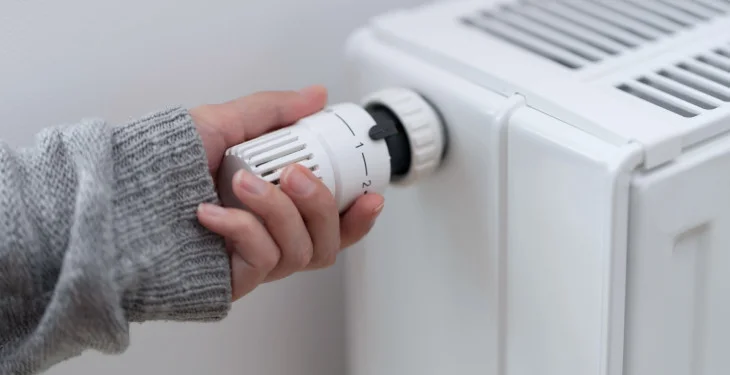
Many people notice a strange pattern in winter: as soon as the heating is turned on, windows begin to fog, metal surfaces feel wet, and small water droplets appear on glass and walls. This feels backward. Heating should make a home drier — not wetter.
Turning on the heating can cause condensation because the warm air holds more moisture in the form of water vapor, which then condenses on cooler surfaces like windows and walls.
Yet condensation when heating is on is extremely common. It happens because heating changes how moisture moves inside a home, often revealing humidity that was already present but invisible before.
Understanding this shift helps explain why moisture appears precisely when warmth returns.
Condensation is a natural process that happens when warm, humid air meets a cold surface such as windows, walls, or floors. As the temperature drops, the air can hold less moisture, so water droplets form on these cold surfaces. When water vapor in the air comes into contact with a cold surface, it turns into liquid, forming condensate on the surface. This is especially common during colder months, when the difference between indoor warmth and outdoor cold is greatest. Poor ventilation can make the problem worse, as moist air becomes trapped inside and has nowhere to escape. Over time, this can lead to damp patches and even damage to building materials. To reduce condensation, it’s important to keep air moving by opening windows regularly, using extractor fans in kitchens and bathrooms, and considering double glazing to keep surfaces warmer. Good insulation and consistent indoor temperatures also help prevent damp and keep your home comfortable throughout the cold weather.
Why Heating Changes Indoor Air Behavior
When heating starts, indoor air warms quickly. Warm air can hold more moisture than cold air.
Before heating, cooler air holds moisture close to surfaces. Once heating begins, this moisture becomes water vapour suspended in the air and spreads throughout the room.
The home does not suddenly become wetter. The moisture simply becomes mobile, which can lead to more condensation appearing on cold surfaces.
The “Hidden Moisture Release” Effect
Many indoor materials store moisture quietly. Walls, furniture, carpets, fabrics, and even books absorb humidity when conditions are cool.
When heating starts, these materials warm up and begin releasing stored moisture back into the air.
This process happens slowly but steadily. Over several hours, humidity rises — even if no new moisture is added.
Heating activates this release.
Why Condensation Appears After Heating Runs for a While
Condensation rarely appears immediately. It usually shows up one to three hours after heating begins.
This delay happens because moisture needs time to accumulate in the air. As warm air circulates, it collects released humidity and carries it to cooler surfaces.
Once those surfaces reach dew point, condensation forms.
This is why moisture appears “later,” not instantly.
Windows Become the First Warning Sign
Windows are usually the coldest surfaces in a heated home. Glass and frames cool quickly and lose heat to the outside. External walls are also common cold surfaces where condensation can form, as they tend to be colder than internal walls and can contribute to dampness issues.
When warm, humid air reaches these cold surfaces, moisture condenses first on windows.
In many homes, windows act as humidity indicators long before other surfaces show signs.
They reveal what is happening in the air.
Heating Creates Temperature Gaps Between Rooms
When heating is on, rooms do not warm evenly. An effective heating system can help heat rooms more evenly, reducing temperature differences between spaces. Some spaces heat quickly, while others remain cooler. If the heating unit is undersized or inefficient, it may work harder to heat all rooms evenly, which can increase condensation risk in cooler areas.
Warm rooms generate moisture-rich air. Cooler rooms attract that moisture.
As air circulates, humidity migrates toward colder areas and condenses there.
This explains why condensation may appear in one room after heating starts. Unevenly heated rooms are more likely to experience condensation.
Why Radiators and Pipes “Sweat”
Heating systems themselves often develop condensation.
Radiators and pipes experience rapid temperature shifts. When warm air meets cooler metal surfaces, moisture condenses easily. Air ducts and ductwork can also accumulate moisture, and if not properly insulated, this condensation can lead to water damage, mold growth, or corrosion of building materials. It is also important to keep drain lines clear and well-maintained to prevent moisture buildup and leaks in heating systems.
This “sweating” does not indicate leaks. It reflects humidity redistribution caused by heating.
However, persistent condensation on pipes and radiators can sometimes lead to water damage if left unchecked.
Nighttime Heating and Morning Condensation
In many homes, heating runs overnight. During sleep, breathing adds moisture to indoor air. Bathrooms, especially after evening showers, release steam and moisture that linger in the air overnight.
By morning, warm air is humid, while windows and walls remain cool.
This creates ideal conditions for heavy condensation at dawn.
The problem builds quietly overnight. Ensuring adequate rest for your home—by maintaining airflow and ventilation overnight—can help reduce condensation buildup. If condensation and mold persist, it can increase the risk of respiratory infections, especially for sensitive individuals.
Why New or Renovated Homes Show It More
New buildings and recently renovated homes are usually well sealed and designed to be energy efficient. Air exchange is limited.
When heating starts in these homes, moisture cannot escape easily. It circulates and accumulates. It is essential to ensure proper ventilation and moisture management in well-sealed homes to prevent condensation and related issues. Consulting local experts can help identify and resolve persistent condensation issues in new or renovated properties.
This makes condensation after heating much more visible than in older, drafty buildings.
The Role of Closed Doors and Furniture
Keeping a door closed restricts air movement and can contribute to condensation buildup. Large furniture blocks airflow near walls.
When heating is on, moisture builds up behind doors, wardrobes, and beds.
These hidden zones cool slowly and dry poorly. Condensation forms there first.
This is why damp spots often appear behind furniture. Hidden condensation in these areas can damage property and create conditions for mildew growth.
When Condensation After Heating Is Normal
Some condensation after heating is normal, especially in winter.
Normal patterns include light window fogging, moisture that clears during the day, and no persistent odors.
These reflect temporary moisture redistribution.
They are part of seasonal adjustment.
When Heating-Related Condensation Becomes a Problem
Condensation deserves attention when it becomes repetitive and long-lasting, leading to condensation problems.
Warning signs include daily wet windows, peeling paint, damp smells, and mold growth.
These indicate that moisture is staying indoors too long.
The issue is accumulation, not heating itself. Preventing condensation is important—using strategies such as proper ventilation, extractor fans, or positive input ventilation (PIV) systems can help stop condensation from becoming a recurring issue. Some of the most effective ways and techniques to fix condensation problems include regular HVAC maintenance, upgrading insulation, monitoring humidity, and using moisture control solutions. These practical solutions and techniques address the root causes and help maintain a healthier indoor environment.
Why Turning Off Heating Does Not Solve It
Some people try reducing heating to prevent condensation, often to lower energy use. However, this can make things worse.
Cooler air holds less moisture and increases condensation risk. Lower temperatures also slow drying.
The problem is moisture balance, not warmth. It’s important to balance energy savings with maintaining a healthy indoor environment and to maintain proper humidity and temperature levels to effectively manage condensation.
Reducing Condensation
Reducing condensation starts with tackling its main causes: cold surfaces, excess moisture, and poor ventilation. Improving insulation, such as adding loft insulation or upgrading windows, helps keep surfaces warmer and less likely to attract water droplets. Using a dehumidifier can be especially helpful in rooms with high humidity, like bathrooms or kitchens, as it lowers humidity levels and removes excess moisture from the air. Avoiding moisture-generating activities, such as drying clothes indoors or improper washing and drying of clothes, can also make a big difference. Washing machines, tumble dryers, and indoor drying all contribute to increased humidity, which can lead to damp and condensation problems. Instead, try to dry clothes outside or use a tumble dryer that vents outside. Make sure to open windows or use trickle vents to allow fresh air in and let moist air escape.
Applying these solutions and techniques—such as improving insulation, enhancing ventilation, and controlling moisture—offers the benefit of reducing condensation, preventing mold, and improving indoor air quality. By combining better insulation, good ventilation, and mindful habits, you can reduce condensation, prevent damp, and create a healthier living space.
Health Risks
Condensation and damp are more than just a nuisance—they can pose real health risks, especially for people with asthma, allergies, or weakened immune systems. When water droplets form on surfaces and are left unchecked, they create the perfect environment for mould growth. Black mould, in particular, can release spores that trigger allergic reactions, worsen respiratory conditions, and even lead to infections. The presence of moisture and damp in your home increases the risk of mould spreading on walls, ceilings, and behind furniture. To protect your health, it’s important to address condensation quickly by improving ventilation, keeping surfaces dry, and regularly checking for signs of mould. Taking these steps not only helps prevent health problems but also keeps your home safer and more comfortable for everyone.
Condensation when heating is on happens because warmth mobilizes hidden moisture, releases it from materials, and redistributes it throughout the entire house. When this humid air meets cooler surfaces, condensation forms.
Heating does not create moisture. It reveals how moisture already exists and moves indoors. Understanding this process explains why condensation often appears right when comfort returns.
Frequently Asked Questions
Why do my windows fog when I turn on heating?
Because warm air releases moisture that condenses on cold glass.
Is this a sign of poor insulation?
Not always — it reflects moisture behavior.
Why does it happen in winter?
Because temperature differences are stronger.
Can heating cause mold?
Only indirectly, if moisture remains trapped.