
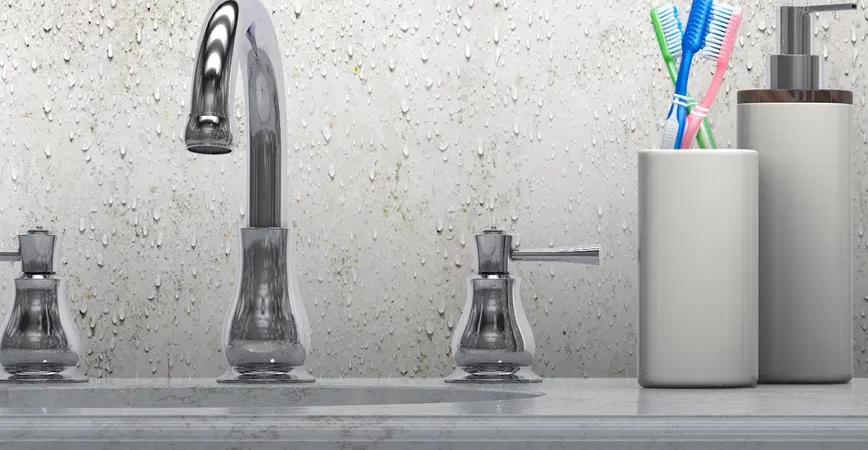
Condensation in the bathroom is one of the most common indoor moisture issues in apartments. Fogged mirrors, water droplets on walls and ceilings, and damp surfaces after showering are familiar sights. Because bathrooms regularly produce steam, condensation here often feels unavoidable—but many people still wonder whether what they see is normal or a sign of a deeper problem.
In most cases, condensation in the bathroom is caused by warm, moist air from showers meeting cooler surfaces. This article explains why bathroom condensation happens, where it usually appears, and how to tell normal, short-term condensation from persistent moisture patterns.
Why Bathrooms Are Prone to Condensation
Bathrooms create ideal conditions for condensation because they combine:
- large amounts of moisture
- warm air from hot water
- cooler walls, ceilings, and mirrors
- limited airflow
Even a short shower can release enough moisture to raise humidity quickly and trigger condensation on cold surfaces.
Steam From Showers and Baths
The main source of bathroom condensation is steam.
During showering or bathing:
- hot water heats the air
- moisture is released rapidly
- humidity rises sharply
When this warm, moist air touches cooler surfaces, condensation forms almost immediately.
Common Places Where Bathroom Condensation Appears
Condensation does not form evenly throughout the bathroom. It usually appears on the coldest or least ventilated surfaces.
Typical spots include:
- mirrors
- tiled walls
- ceilings
- windows and window frames
- corners and grout lines
Ceilings and upper walls often stay damp the longest because warm, moist air rises.
Condensation on Bathroom Ceilings
Bathroom ceilings are especially prone to condensation.
This happens because:
- steam rises upward
- ceilings are often cooler than the air
- airflow near the ceiling is limited
Condensation on bathroom ceilings may not drip but can keep surfaces damp for extended periods.
Condensation on Bathroom Walls
Wall condensation often appears after showers, especially on:
- exterior walls
- tiled surfaces
- walls far from ventilation points
Even when walls feel dry later, condensation may have been present briefly and evaporated.
Bathroom Condensation Without Windows
Bathrooms without windows often experience more noticeable condensation.
This is because:
- moisture has fewer escape paths
- steam lingers longer
- drying relies entirely on ventilation systems
In windowless bathrooms, condensation is often more frequent and slower to clear.
Bathroom Condensation Without Leaks
A common concern is whether condensation indicates a leak. In most cases, bathroom condensation happens without any leaks at all.
It occurs because:
- moisture comes from indoor air
- surfaces are cooler than the air
- steam is produced faster than it can escape
This explains why even new or well-maintained bathrooms can experience condensation.
Bathroom Condensation and Ventilation
Ventilation strongly affects how long condensation remains.
When ventilation is limited:
- steam stays trapped
- surfaces remain damp longer
- condensation returns repeatedly
Even with a fan, condensation can persist if airflow is uneven or moisture production is high.
Normal vs Persistent Bathroom Condensation
Here’s where a table helps clarify patterns clearly:
| Bathroom Condensation Pattern | Usually Normal | Needs Attention |
| Appears during shower | ✅ | |
| Clears within 30–60 minutes | ✅ | |
| Limited to mirrors and tiles | ✅ | |
| Ceiling stays damp for hours | ⚠️ | |
| Appears even without showering | ⚠️ | |
| Happens daily regardless of use | ⚠️ |
This distinction helps separate normal bathroom behavior from recurring moisture imbalance.
Seasonal Differences in Bathroom Condensation
Bathroom condensation often changes with the seasons.
Winter
- colder walls and ceilings
- stronger temperature differences
- condensation clears more slowly
Summer
- higher outdoor humidity
- steam mixes with humid air
- condensation may feel heavier
Seasonal recurrence usually points to condensation rather than structural issues.
Bathroom Condensation vs Bathroom Humidity
These two are closely related but not identical.
- Humidity is moisture in the air after showering
- Condensation is that moisture turning into water on surfaces
A bathroom can feel dry later while condensation has already occurred earlier.
Why Bathroom Condensation Often Goes Unnoticed
Bathroom condensation is sometimes underestimated because:
- it appears briefly
- it evaporates after cleaning
- it is expected after showers
As a result, persistent patterns may go unnoticed until damp smells or surface changes appear.
Bathroom Condensation and Mold Risk
Occasional bathroom condensation does not automatically lead to mold.
However, repeated condensation that keeps surfaces damp—especially on ceilings, grout, and corners—may:
- slow drying
- affect finishes
- contribute to mold over time
This is why bathrooms are often the first place mold appears in apartments.
How Bathroom Condensation Develops Over Time
The typical cycle looks like this:
- shower releases steam
- humidity rises rapidly
- warm air contacts cool surfaces
- condensation forms
- moisture evaporates slowly
If this cycle repeats frequently, moisture can linger longer with each use.
Conclusions
Condensation in the bathroom is a normal and expected result of steam from showers and baths meeting cooler indoor surfaces. Mirrors, walls, ceilings, and windows are the most common condensation points, especially when ventilation is limited. In many cases, bathroom condensation clears naturally and does not indicate leaks or defects.
Condensation becomes more relevant when it is persistent, slow to dry, or appears even without water use. Understanding bathroom condensation as part of a regular moisture cycle—rather than an immediate problem—makes it easier to interpret and manage calmly.
Frequently Asked Questions
Is condensation in the bathroom normal?
Yes. It is very common after showers or baths.
Why does condensation appear on bathroom ceilings?
Because warm, moist air rises and ceilings stay cooler.
Can bathroom condensation happen without leaks?
Yes. It usually comes from steam, not water damage.
Why does condensation last longer in winter?
Cold surfaces slow evaporation.
Does bathroom condensation cause mold?
Only if surfaces stay damp repeatedly over long periods.