
Latest posts
-
Air Purifier Running but VOC Monitor Still Shows High Levels: Why

Here’s what nobody tells you when you buy a VOC monitor and an air purifier together: the monitor reading high doesn’t necessarily mean your air purifier is failing.…
-
Pipes Started Sweating After Having Guests: More People Means More Humidity
You threw a dinner party on Saturday night. By Sunday morning, the cold-water pipes under your kitchen sink are dripping — not from a leak, but from condensation.…
-
Condensation on Copper Pipes Only in Summer: Why It Disappears in Winter
Here’s the thing most people get completely wrong about sweating copper pipes: they assume it’s a plumbing problem. It’s not. Your pipes aren’t leaking, they’re not corroding from…
-
Sweating Pipes and Toilet Bowl at the Same Time: What’s Actually Happening

Here’s what most people get completely wrong: when your pipes and toilet bowl are both sweating at the same time, they assume something is broken. A leaking pipe,…
-
Pipe Insulation Not Stopping Condensation: Why Foam Wrap Fails
Here’s what most people get completely wrong about pipe condensation: foam insulation doesn’t stop sweating pipes because of a flaw in the foam itself — it fails because…
-
How to Stop Pipes From Sweating: Pipe Insulation vs Dehumidifier
Here’s what most people get wrong: sweating pipes aren’t a plumbing problem. They’re a humidity problem wearing a plumbing costume. You can wrap every pipe in your basement…
-
Excessive Condensation on All Windows: How to Find the Real Moisture Source
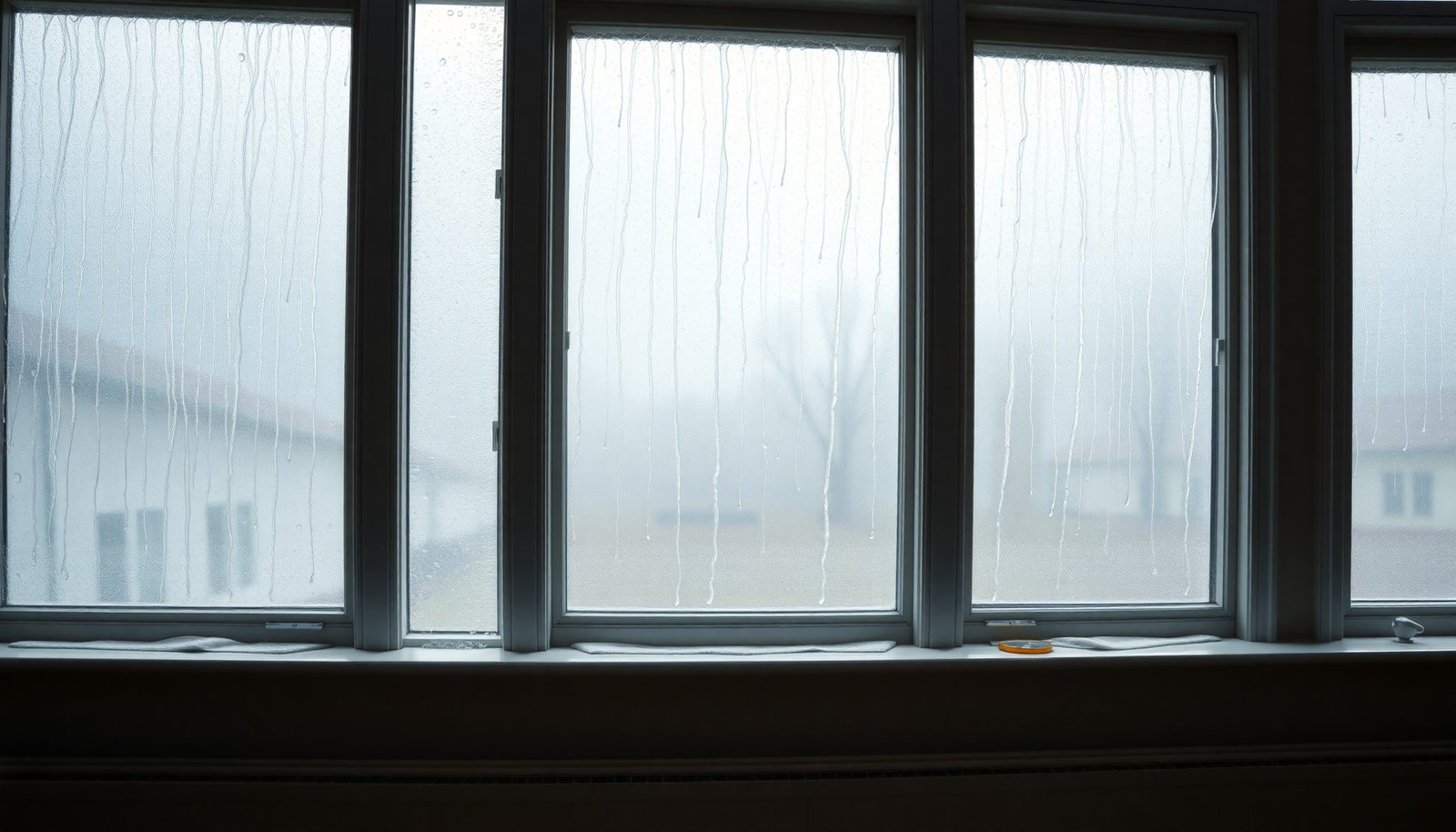
Here’s what almost no one tells you: when every single window in your home is dripping with condensation, the windows are not the problem. They’re a symptom. Most…
-
Window Condensation in New Construction: Why It’s Worse the First Winter

Here’s what almost nobody tells you when you buy a new construction home: that river of condensation streaming down your windows the first winter isn’t a sign that…
-
Condensation on Windows: Is It Bad Insulation or High Humidity? How to Tell
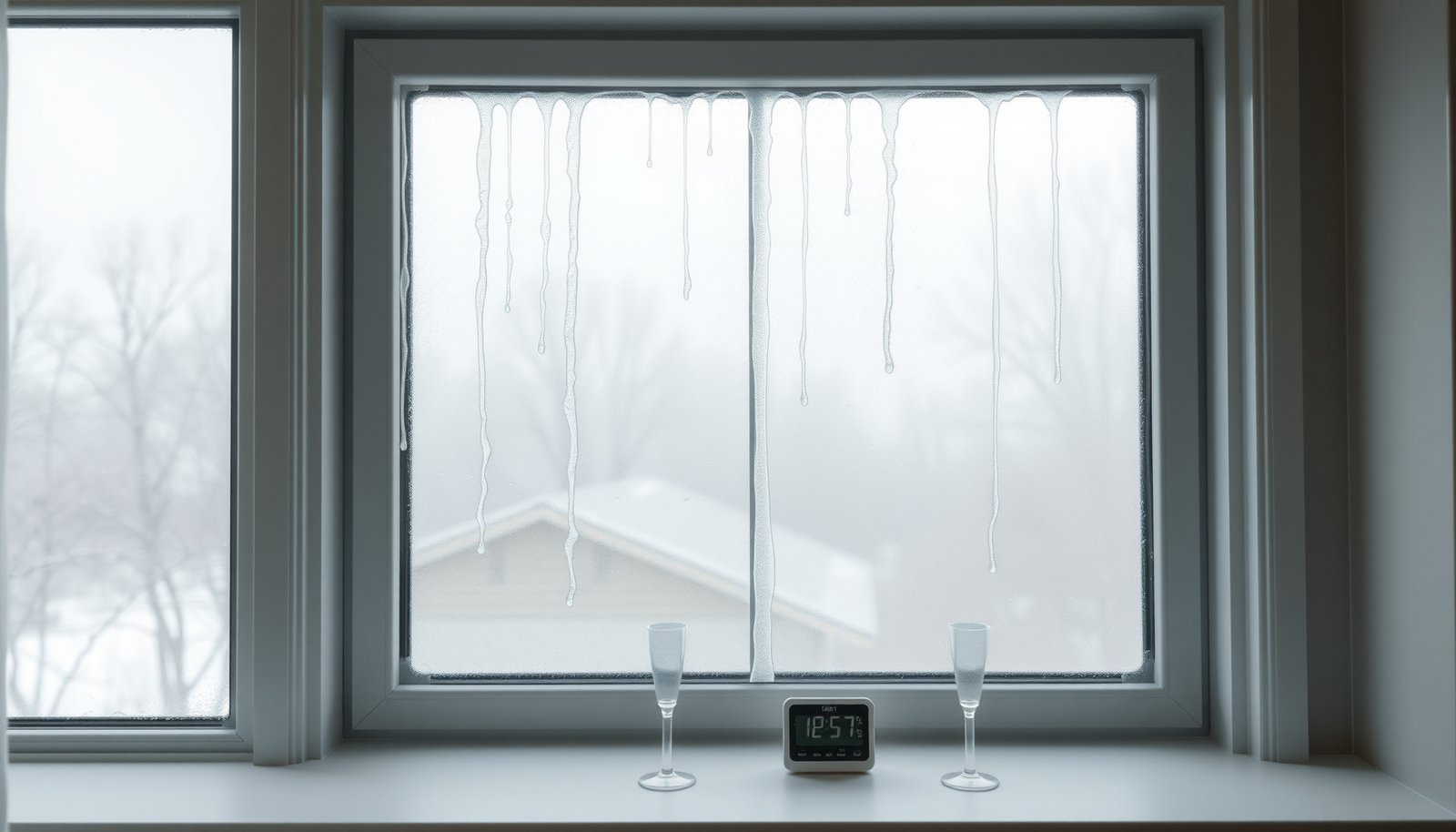
Here’s what most people get wrong: they assume window condensation is either a window problem or a humidity problem — and they go looking for the one guilty…
-
How to Deal With Window Condensation Every Winter Morning: Daily Routine
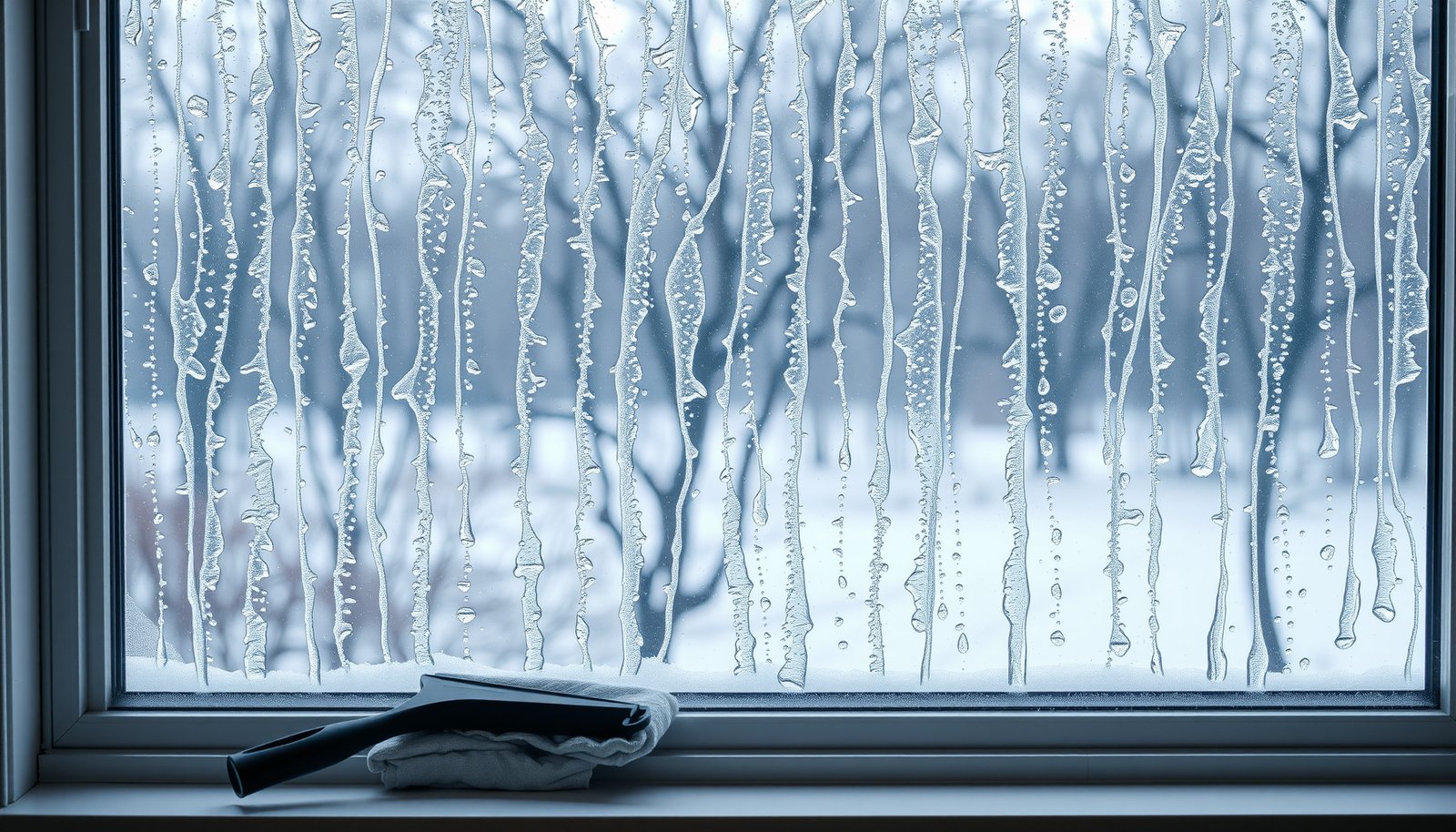
Here’s what almost every article about window condensation gets wrong: they treat it like a window problem. It’s not. That water on your glass every winter morning is…


