
Latest posts
-
What ASHRAE Actually Says About Indoor CO2: The 1,000 ppm Myth Explained
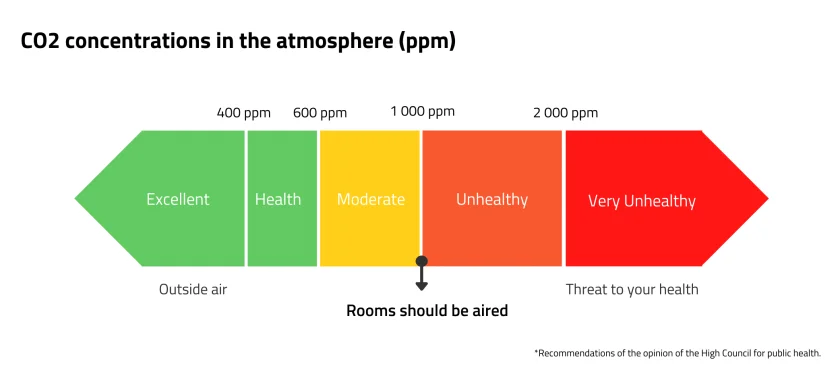
Your CO2 monitor reads 1,200 ppm in your bedroom mid-morning. Is that concerning? The short answer: it indicates marginal ventilation—acceptable by some standards but not optimal. Newsweek Reader’s…
-
Why Airtight Homes Have More Air Quality Problems. The Paradox of Energy Efficiency

Sealing your home tighter doesn’t just trap heat — it traps everything else too. That’s the part the energy-efficiency industry conveniently leaves out of its pitch. Airtight homes…
-
How Fresh Air Exchange Actually Works in Modern Buildings: The Physics of Infiltration, Stack Effect, and Pressure

Here’s something most ventilation guides skip entirely: your home is already exchanging air with the outside constantly — without any fan running, any window open, or any mechanical…
-
Mechanical Ventilation in Apartments: Do You Really Need It?
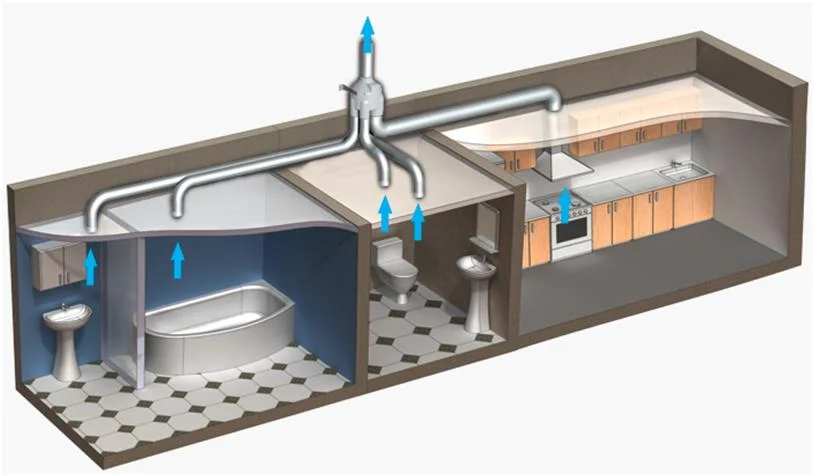
Your landlord installed an exhaust fan running 24/7 in your bathroom. Your upstairs neighbor has a supply ventilator bringing outdoor air into their unit continuously. Your colleague’s older…
-
ERV vs HRV Systems: Which Is Better for Fresh Air?
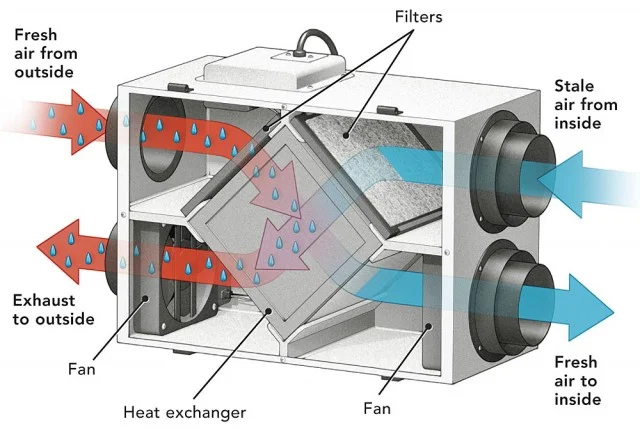
HRV vs ERV: A Quick Side-by-Side for the Key Differences What Does Indoor Air Quality Research Say About Ventilation Rates? The research on this is worth knowing because…
-
Houseplants and Air Quality: What They Actually Do (And the NASA Myth Debunked)
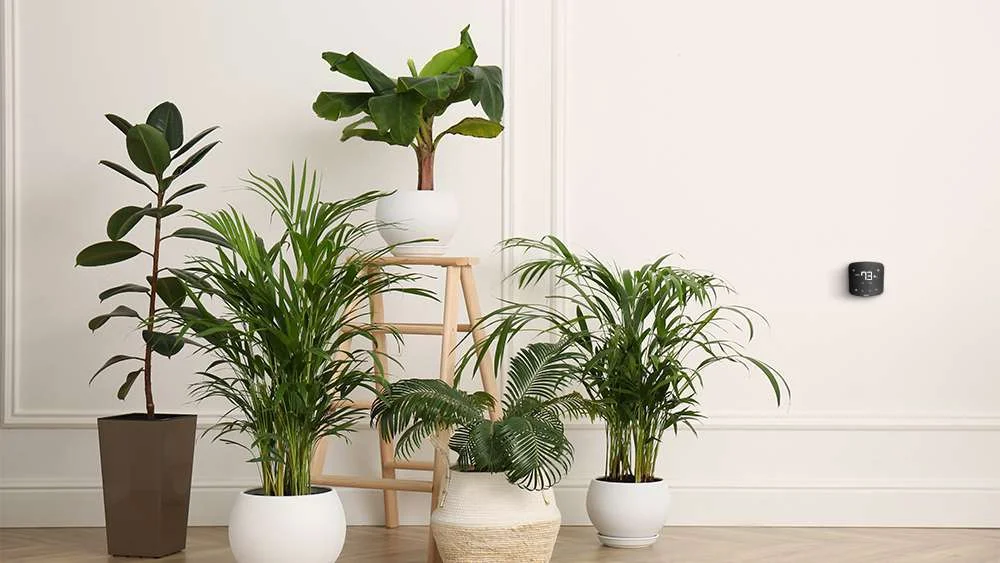
Here’s the uncomfortable truth about houseplants and air quality: they work, just not even close to how you think they do. The popular version of this story —…
-
Pet Dander and Indoor Air: Why It Stays Airborne Longer Than Other Allergens

You vacuum your living room thoroughly. Within two hours, your allergies flare—sneezing, watery eyes, congestion. The pet dander you just stirred up will remain suspended in air for…
-
Managing Pet Allergies in Humid Environments: Why 30-50% Humidity Is Your Sweet Spot

Forty percent of American households have at least one pet — and a significant chunk of those pet owners also have allergies. Here’s what almost nobody talks about:…
-
How High Humidity Increases Dust Mite Populations: The 50% Threshold That Changes Everything
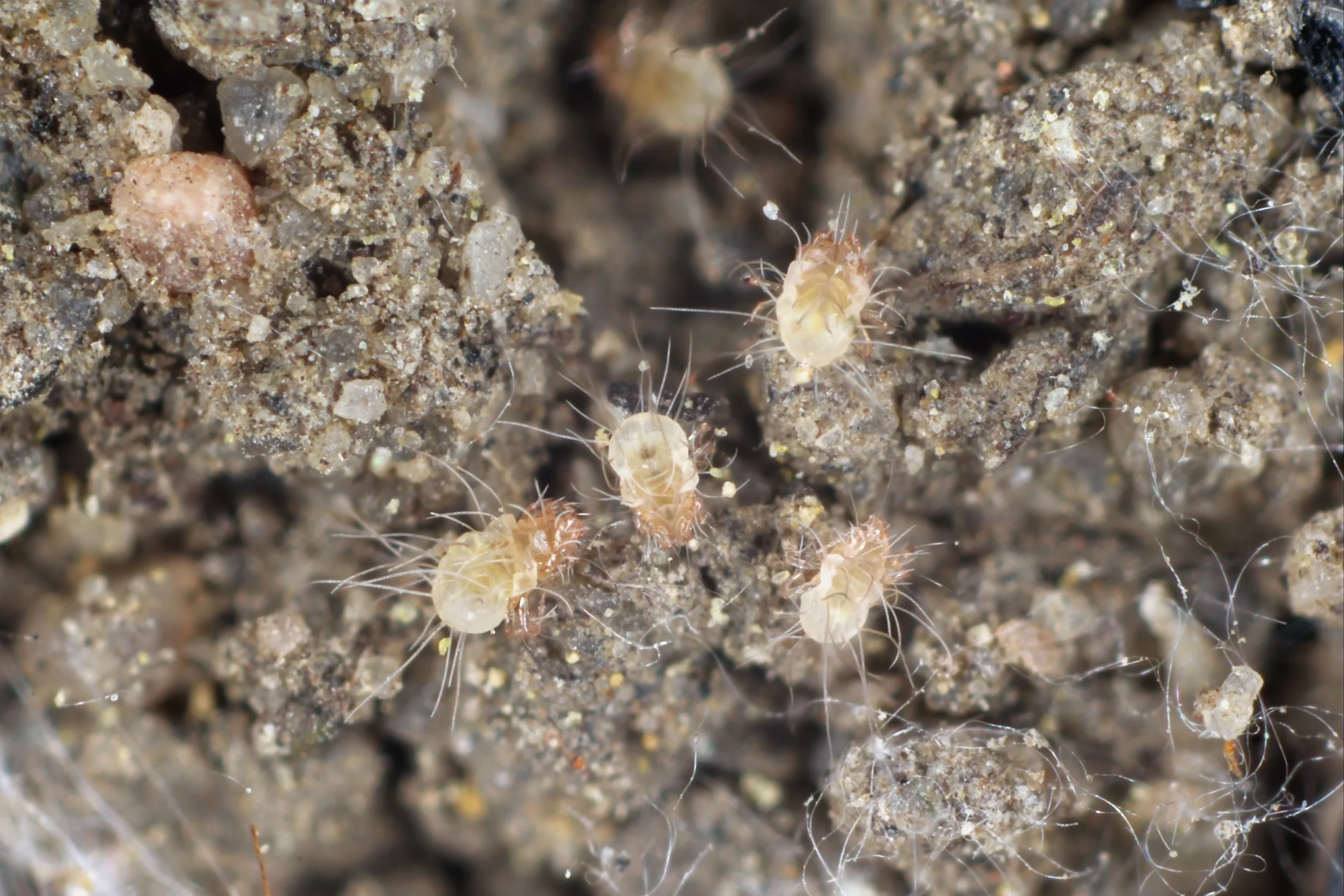
Your bedroom maintains 65% relative humidity. Within months, your mattress harbors millions of dust mites—microscopic arachnids feeding on shed skin cells and producing fecal pellets containing potent allergens…
-
Whole-Home Air Filtration vs Portable Purifiers: The $1,000-8,000 Decision Explained
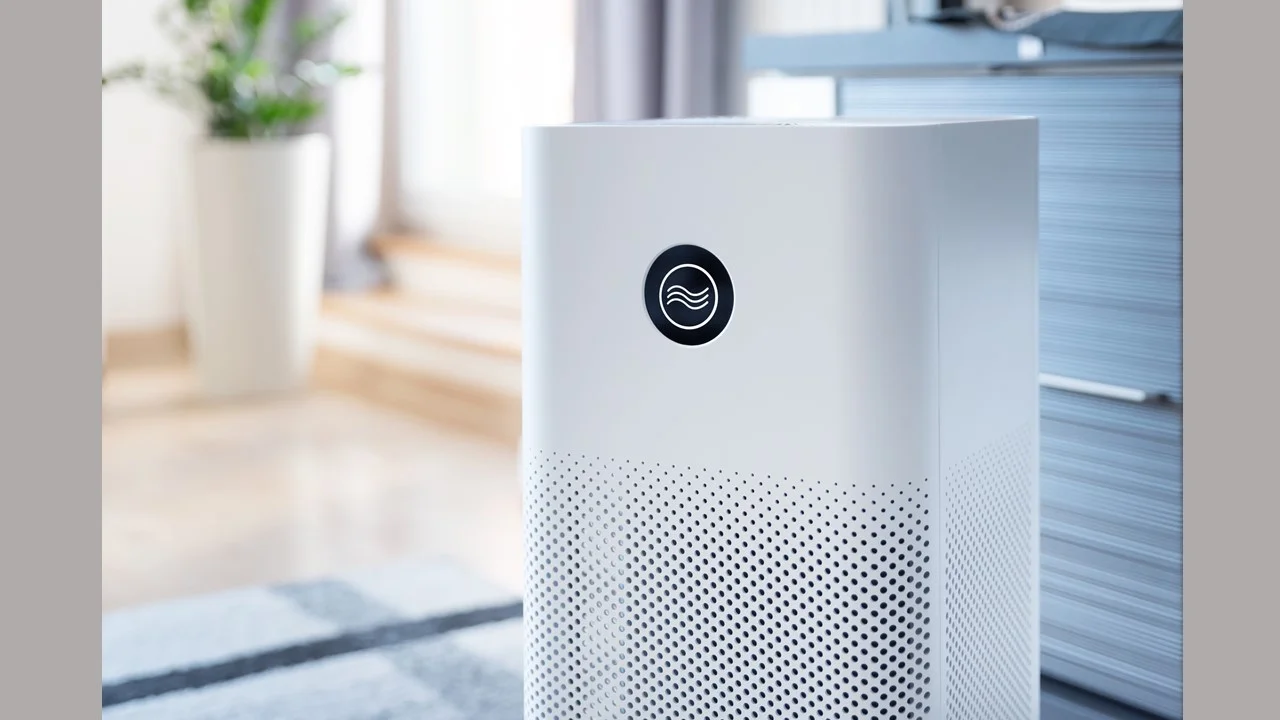
Bottom line for most homes: two or three well-placed portable purifiers will clean your air just as effectively as a whole-home system — and cost a fraction of…