
Latest posts
-
Why Is Black Mold More Common Indoors Than Outdoors? The Science
Here’s what almost every article about indoor black mold gets wrong: they frame it as a humidity problem. Humidity matters, sure — but the real reason black mold…
-
Attic Covered in Black Mold: Causes, Cost and How to Fix It

Here’s the thing most homeowners get completely wrong about attic black mold: they treat it like a cleaning problem. They buy a bottle of bleach, climb up with…
-
Found Heavy Mold Behind Bathroom Wall: How to Assess the Real Damage
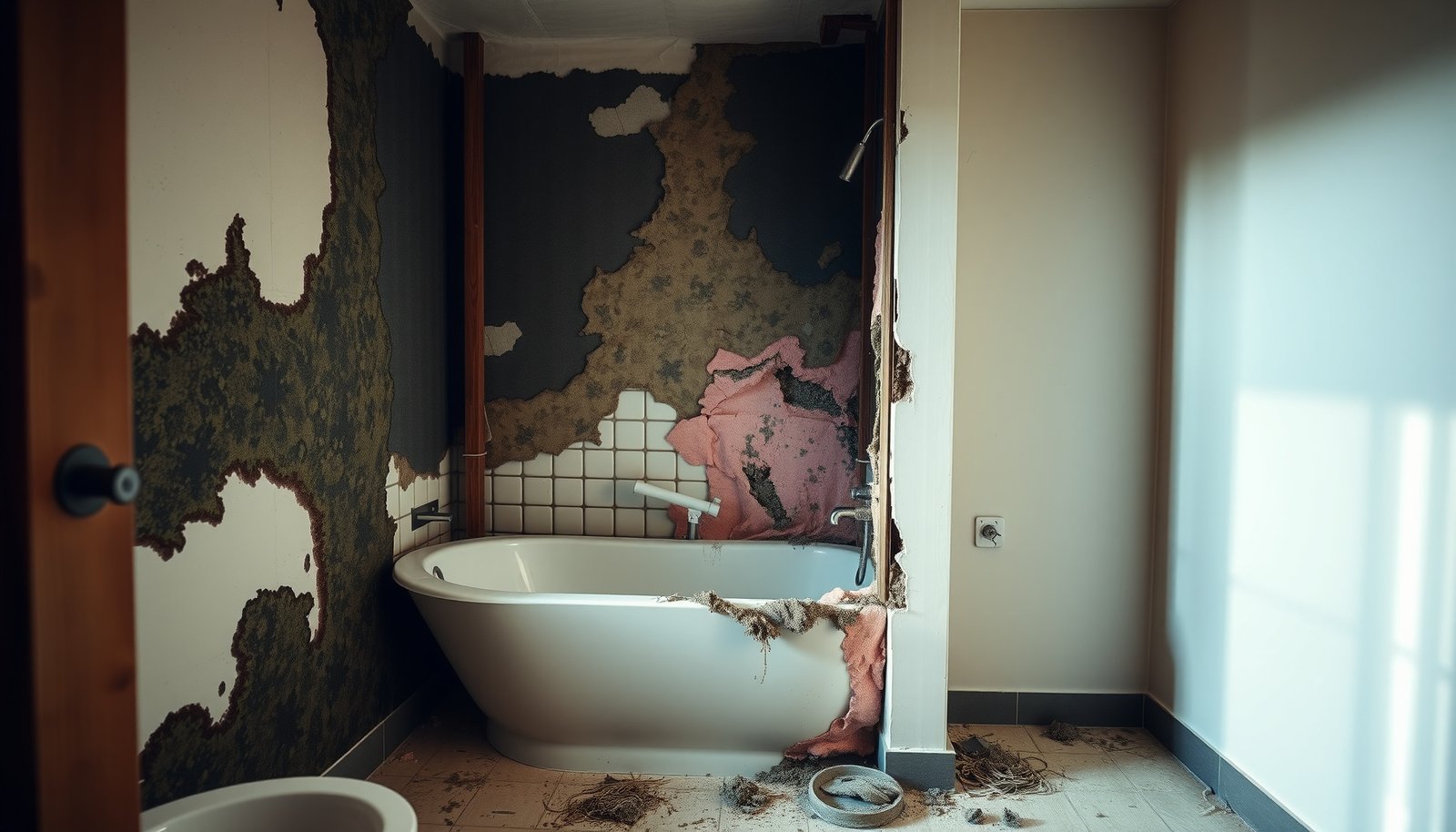
Here’s what most people get wrong the moment they find heavy mold behind a bathroom wall: they immediately ask “how do I clean this?” when the real question…
-
Seller Offering to Remediate Mold Before Closing: Should You Trust It?
Here’s the thing most buyers get completely wrong: when a seller offers to remediate mold before closing, they treat it as a sign of good faith. It isn’t…
-
Black Mold Discovered During Home Inspection: Should You Walk Away?
Here’s what most buyers get wrong: they treat “black mold found at inspection” as a binary walk-away-or-don’t decision, when the real question is almost never about the mold…
-
Found Mold After Closing on a House: Can You Sue the Seller?
Here’s what most people get wrong the moment they find mold after closing on a house: they immediately ask “can I sue?” when the better question is “can…
-
High Humidity Causing Mold in Apartment: The Two-Problem Solution
Here’s what most apartment guides get completely wrong: high humidity causing mold in your apartment isn’t one problem — it’s two separate problems that require two separate fixes.…
-
Mold Behind Shower Tiles: Why Grout Cleaning Doesn’t Fix the Real Problem
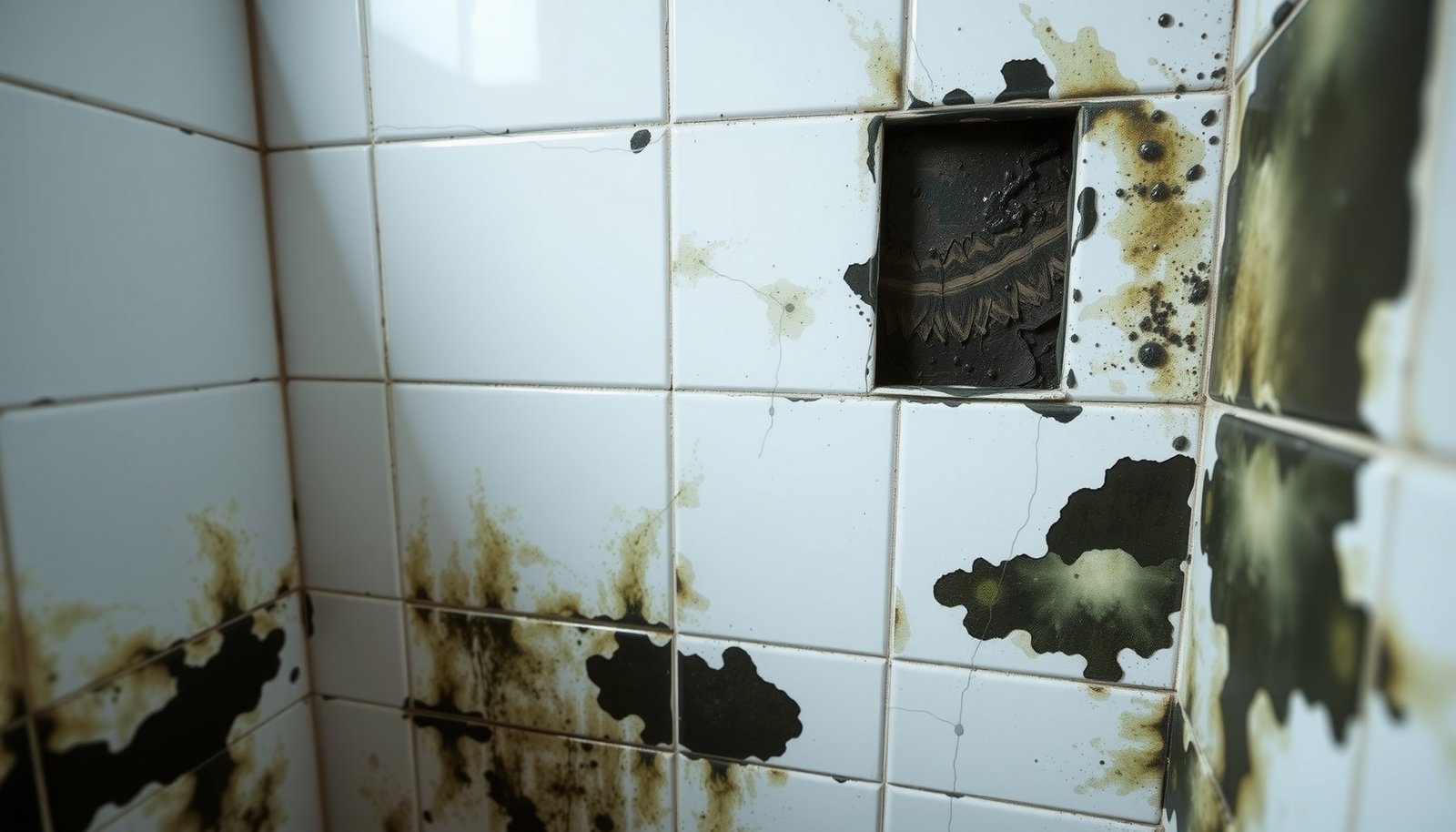
Here’s what nobody tells you when you’re scrubbing grout for the third time this month: the mold you can see on the surface of your shower tiles is…
-
How to Report Mold in Apartment to City Housing Authority
Here’s what most people get wrong about reporting mold to a city housing authority: they think filing the complaint is the finish line. It isn’t. The complaint is…
-
Is Maintenance Crew Mold Cleaning Enough or Do You Need a Pro?
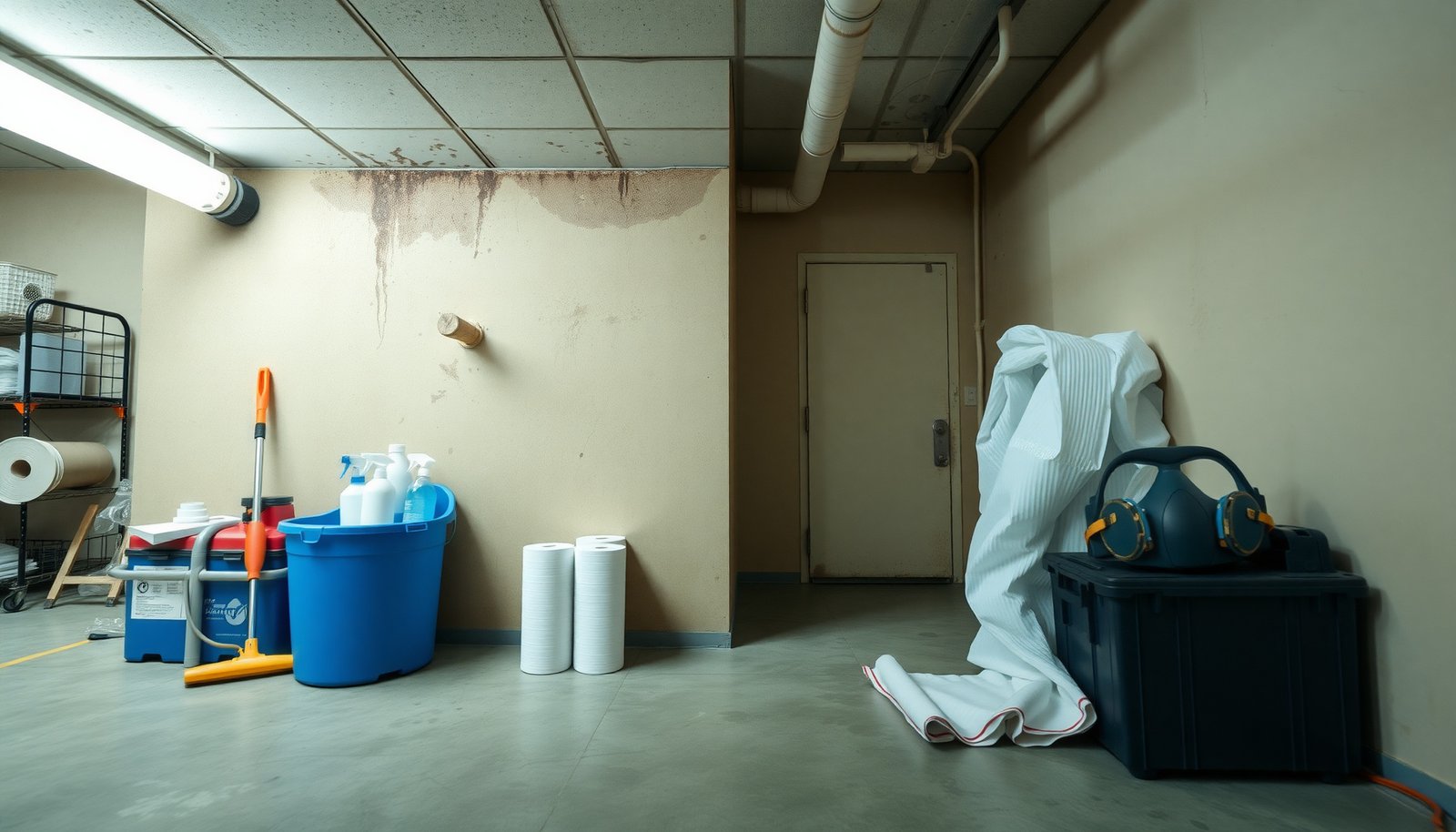
Here’s what most tenants get wrong: they assume the question is whether maintenance can clean mold. The real question is whether what they call “cleaning” actually stops mold…


