Latest posts

  • Can Indoor Humidity Cause Headaches? Why Stuffy Air and Moisture Levels Affect Head Comfort

    Can Indoor Humidity Cause Headaches? Why Stuffy Air and Moisture Levels Affect Head Comfort

    Many people notice that headaches seem to appear more often in certain indoor environments. A room may feel heavy, stuffy, or uncomfortable, and shortly after, pressure or tension in the head begins to develop. When this pattern repeats, it’s natural to wonder whether humidity might be playing a role. Humidity does not directly cause headaches,

    Read more

  • Humidity and Sleep Quality: How Indoor Moisture Affects Nighttime Rest

    Humidity and Sleep Quality: How Indoor Moisture Affects Nighttime Rest

    Many people struggle with poor sleep without realizing that indoor air conditions may be part of the reason. A bedroom may feel warm, heavy, or uncomfortable at night, even when the temperature seems normal. One often overlooked factor behind this experience is indoor humidity. Humidity does not cause sleep disorders, but it can influence how

    Read more

  • Humidity and Respiratory Comfort: How Indoor Moisture Affects Breathing Indoors

    Humidity and Respiratory Comfort: How Indoor Moisture Affects Breathing Indoors

    Many people notice that breathing feels different indoors depending on the air conditions. In some homes, the air may feel heavy, stuffy, or irritating to the nose and throat, even when there is no visible dust or strong запах. One common factor behind this discomfort is indoor humidity. Humidity does not directly cause respiratory diseases,

    Read more

  • Humidity and Allergies: How Indoor Moisture Affects Symptoms and Comfort

    Humidity and Allergies: How Indoor Moisture Affects Symptoms and Comfort

    Many people notice that their allergy symptoms feel worse indoors, even when pollen levels outside are low. Sneezing, nasal congestion, itchy eyes, or a general sense of irritation may appear at home rather than outdoors. One often overlooked factor in this experience is indoor humidity. Humidity does not cause allergies, but it can influence how

    Read more

  • Is Mold Dangerous for Children? Health Risks, Sensitivity, and Indoor Air Quality

    Is Mold Dangerous for Children? Health Risks, Sensitivity, and Indoor Air Quality

    Mold indoors is a concern for many families, especially when children are involved. Parents often notice musty smells, damp walls, or visible mold spots and immediately worry about how these conditions might affect a child’s health. This concern is understandable, as children interact with their environment differently than adults. Is mold dangerous for Children? Mold

    Read more

  • Is High Indoor Humidity Bad for Your Health? Effects on Sleep, Breathing, and Daily Comfort

    Is High Indoor Humidity Bad for Your Health? Effects on Sleep, Breathing, and Daily Comfort

    High indoor humidity is often discussed in terms of comfort and building conditions, but many people also wonder how it affects their health. Rooms may feel heavy, air may seem harder to breathe, and sleep quality may decline — even when there are no visible signs of moisture or mold. High humidity does not automatically

    Read more

  • How to Tell If a Wall Is Damp

    How to Tell If a Wall Is Damp

    It’s not always easy to tell whether a wall is actually damp. In many apartments, walls look perfectly fine—no stains, no peeling paint, no visible water—yet something still feels off. The wall may feel cold, slightly clammy, or give off a faint musty smell, especially at certain times of year. Dampness often develops quietly. Unlike

    Read more

  • Bubbles Under Paint from Humidity: Causes, Warning Signs, and How to Stop Paint Blistering Indoors

    Bubbles Under Paint from Humidity: Causes, Warning Signs, and How to Stop Paint Blistering Indoors

    Bubbles under paint are a common indoor wall problem that often appears without warning. The paint surface may look uneven, swollen, or blistered, as if air is trapped underneath. When pressed, these bubbles may feel soft or hollow. Because the wall usually shows no visible water stains or leaks, the cause is often unclear. In

    Read more

  • Why Paint Peels from Walls: How Moisture, Condensation, and Dampness Cause Flaking Indoors

    Why Paint Peels from Walls: How Moisture, Condensation, and Dampness Cause Flaking Indoors

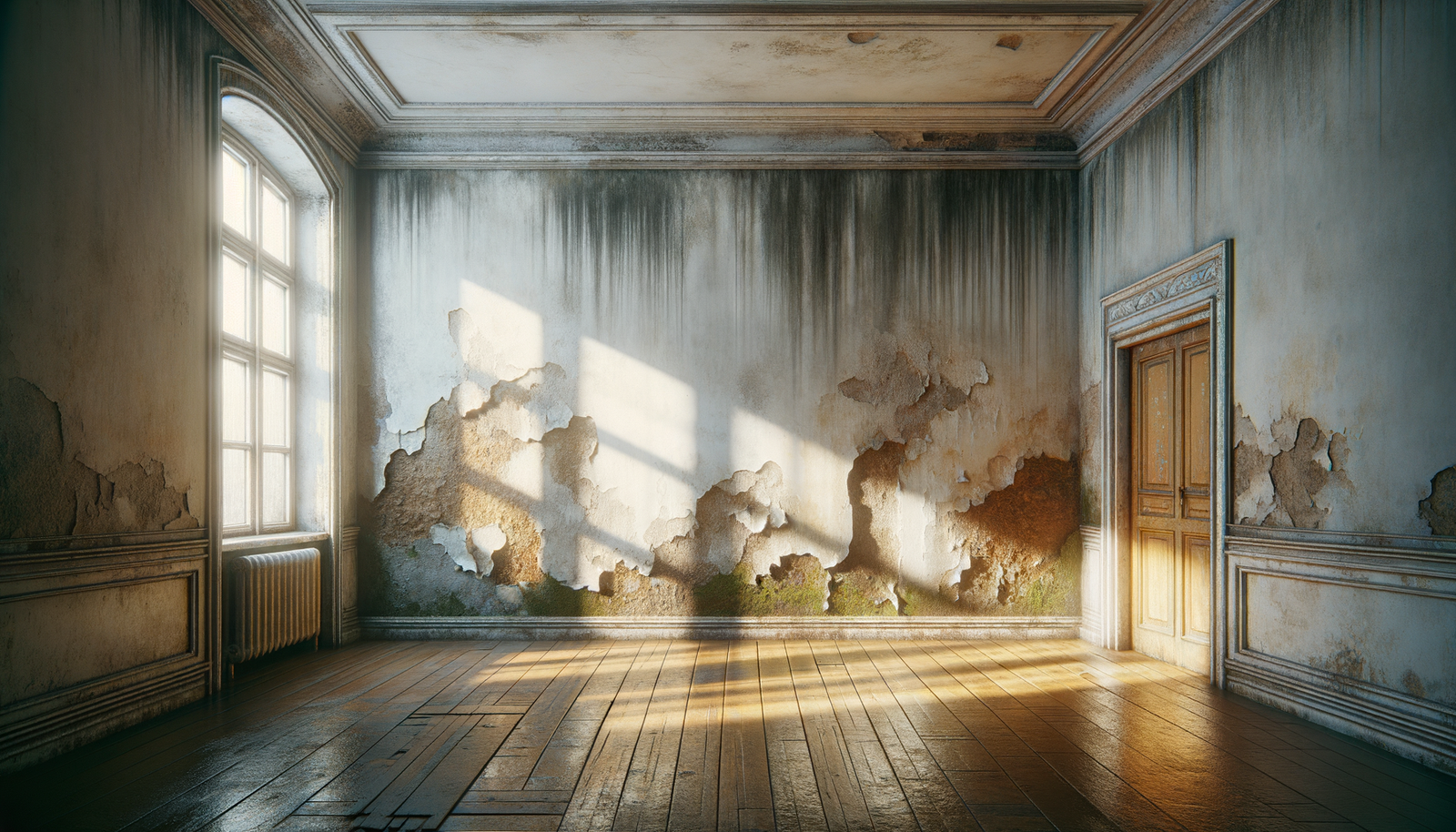
    Peeling paint is one of the clearest signs that moisture is affecting an indoor wall. Paint may lift at the edges, crack in thin lines, or flake away from the surface, sometimes exposing the wall beneath. What makes this frustrating is that peeling often appears even when there are no leaks, no visible water stains,

    Read more