
Latest posts
-
Does Vinegar Really Kill Mold? Science-Based Comparison with Commercial Bleach

Vinegar kills mold on porous surfaces better than bleach does. That’s the short answer — and it’s the opposite of what most people believe. The reason this keeps…
-
How Humidity Affects Smart Home Sensors: Why Your Readings Might Be Wrong

Your smart thermostat claims it’s 72°F and 45% humidity, but your skin feels dry as parchment and static electricity zaps you every time you touch a doorknob. Meanwhile,…
-
Best Time of Day to Ventilate an Apartment

You crack open the living room window at 3 PM on a stuffy afternoon, expecting instant relief. But twenty minutes later, you’re actually feeling more uncomfortable — the…
-
Can Fans Reduce Indoor Humidity?

You’ve probably stood in your stuffy apartment on a humid summer day, cranked up that box fan, and wondered: does this thing actually help with the moisture, or…
-
Hallway Smells Damp: Causes, Hidden Moisture Sources, and Why It Spreads

Your hallway smells like a damp basement. Not overwhelming, but persistent—that earthy, musty scent you notice every time you walk from the living room to bedrooms. You’ve checked…
-
How to Reduce CO2 in an Apartment Without Losing Heat: The Winter Ventilation Solution

Bottom Line Up Front: You don’t have to choose between fresh air and a warm apartment. The real problem isn’t ventilation itself — it’s how most people ventilate.…
-
Why You Feel Tired in a Closed Bedroom: The CO2 Sleep Quality Connection

Sleep eight hours in a closed bedroom and wake up feeling like you only got four — that’s not stress, it’s not your mattress, and it’s probably not…
-
What ASHRAE Actually Says About Indoor CO2: The 1,000 ppm Myth Explained
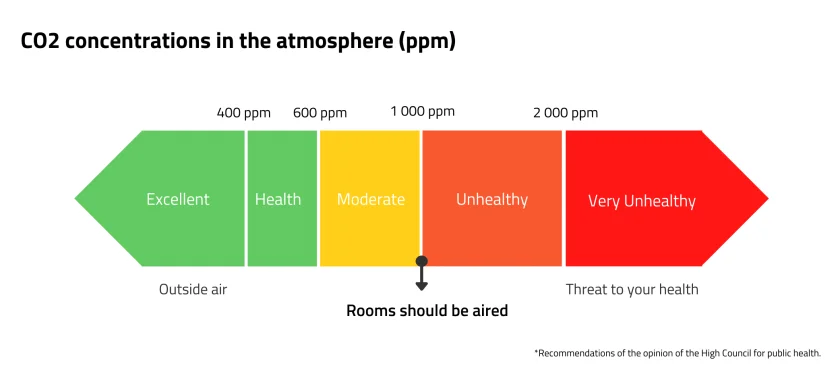
Your CO2 monitor reads 1,200 ppm in your bedroom mid-morning. Is that concerning? The short answer: it indicates marginal ventilation—acceptable by some standards but not optimal. Newsweek Reader’s…
-
Why Airtight Homes Have More Air Quality Problems. The Paradox of Energy Efficiency
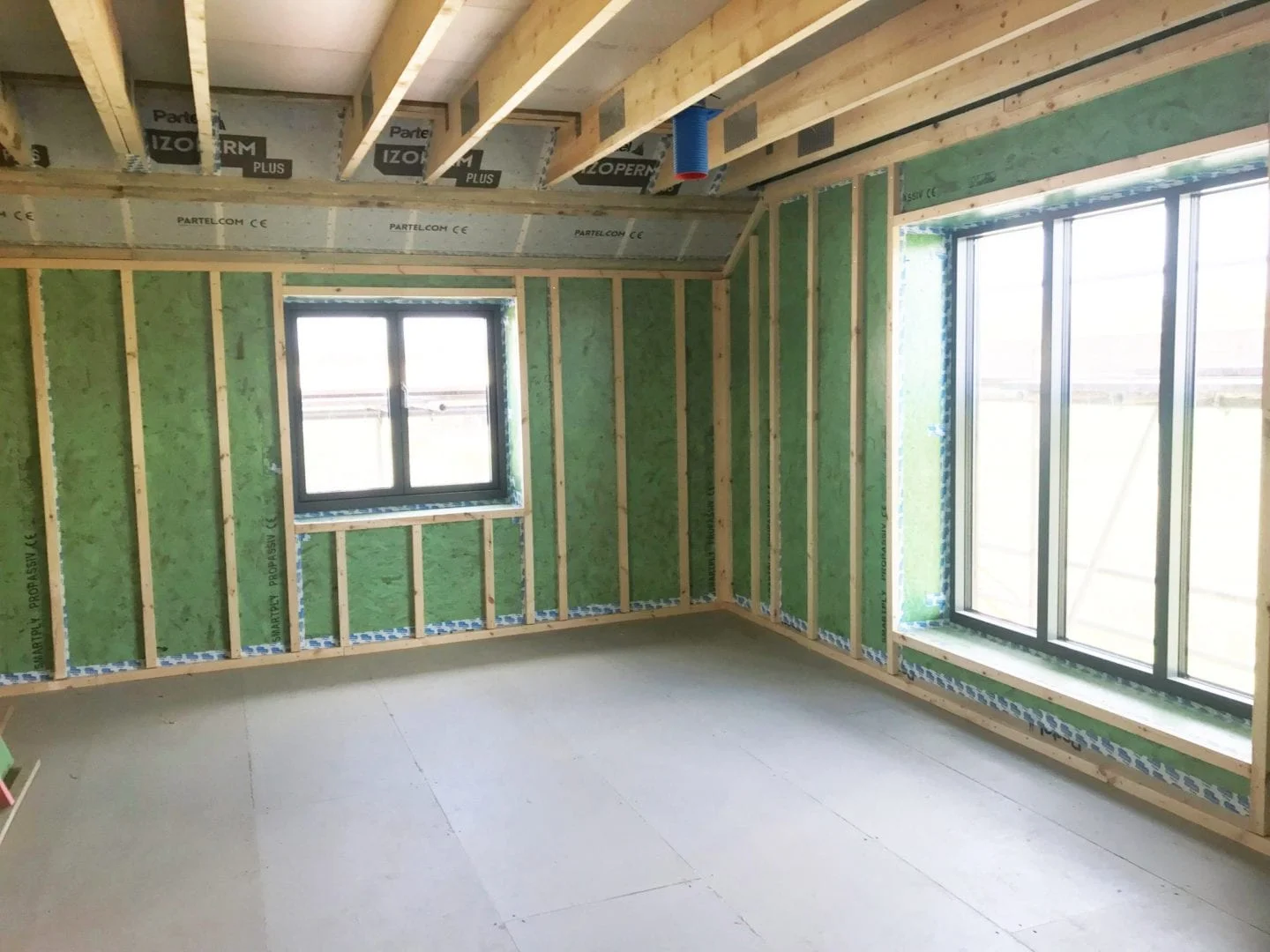
Sealing your home tighter doesn’t just trap heat — it traps everything else too. That’s the part the energy-efficiency industry conveniently leaves out of its pitch. Airtight homes…
-
How Fresh Air Exchange Actually Works in Modern Buildings: The Physics of Infiltration, Stack Effect, and Pressure

Here’s something most ventilation guides skip entirely: your home is already exchanging air with the outside constantly — without any fan running, any window open, or any mechanical…


