
Latest posts
-
Paint Peeling Around Windows From Condensation: How to Fix It Properly
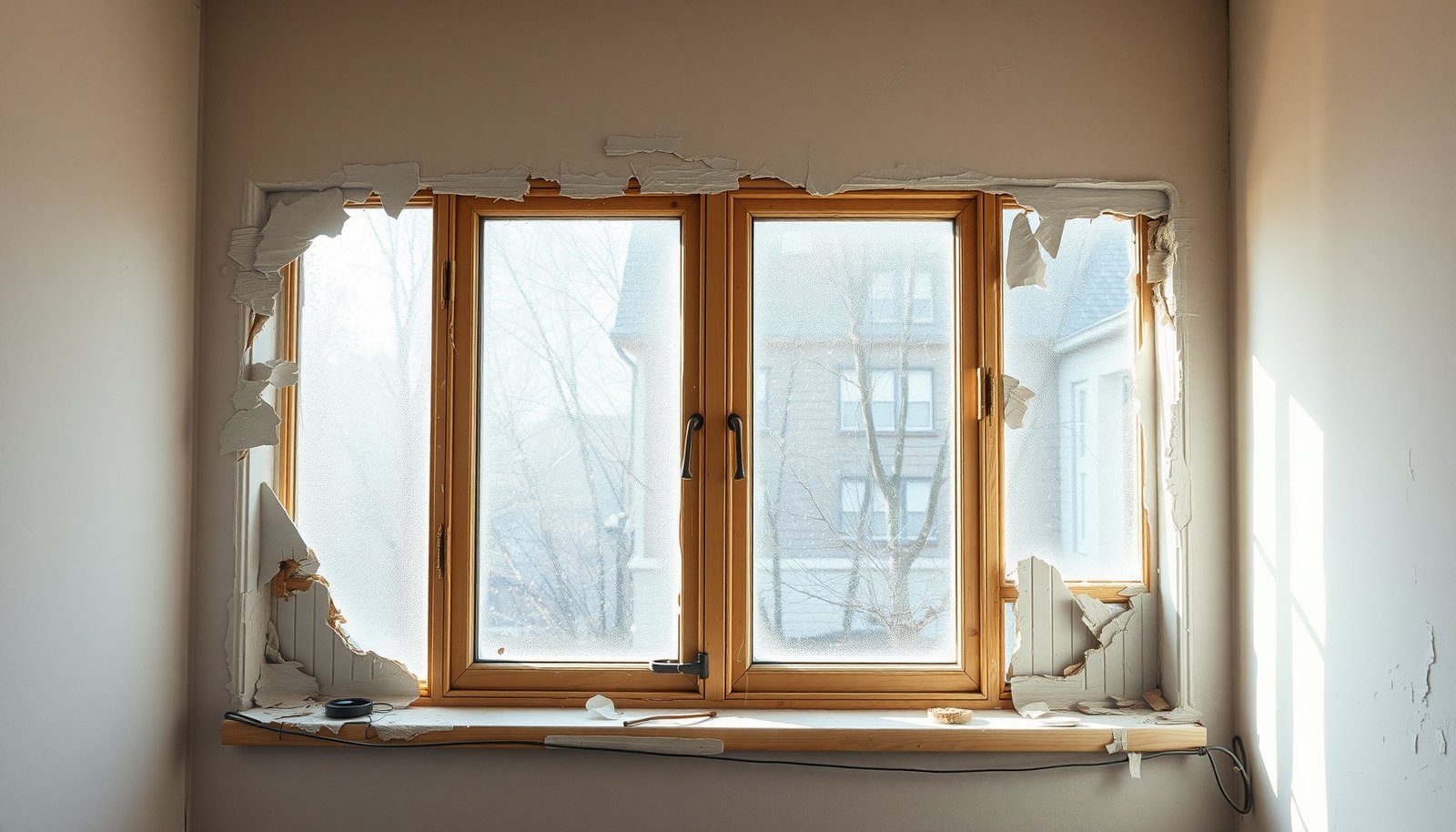
Here’s what most people get wrong: paint peeling around windows from condensation isn’t a paint problem. It’s not even really a window problem. It’s a moisture vapor problem…
-
Brand New Construction With Condensation Everywhere First Winter: Is It Normal?

Here’s what nobody tells you when you move into a brand new home and watch water streak down every window: the condensation isn’t a sign that something’s wrong…
-
Condensation Forming on Inside of Exterior Walls: What It Means
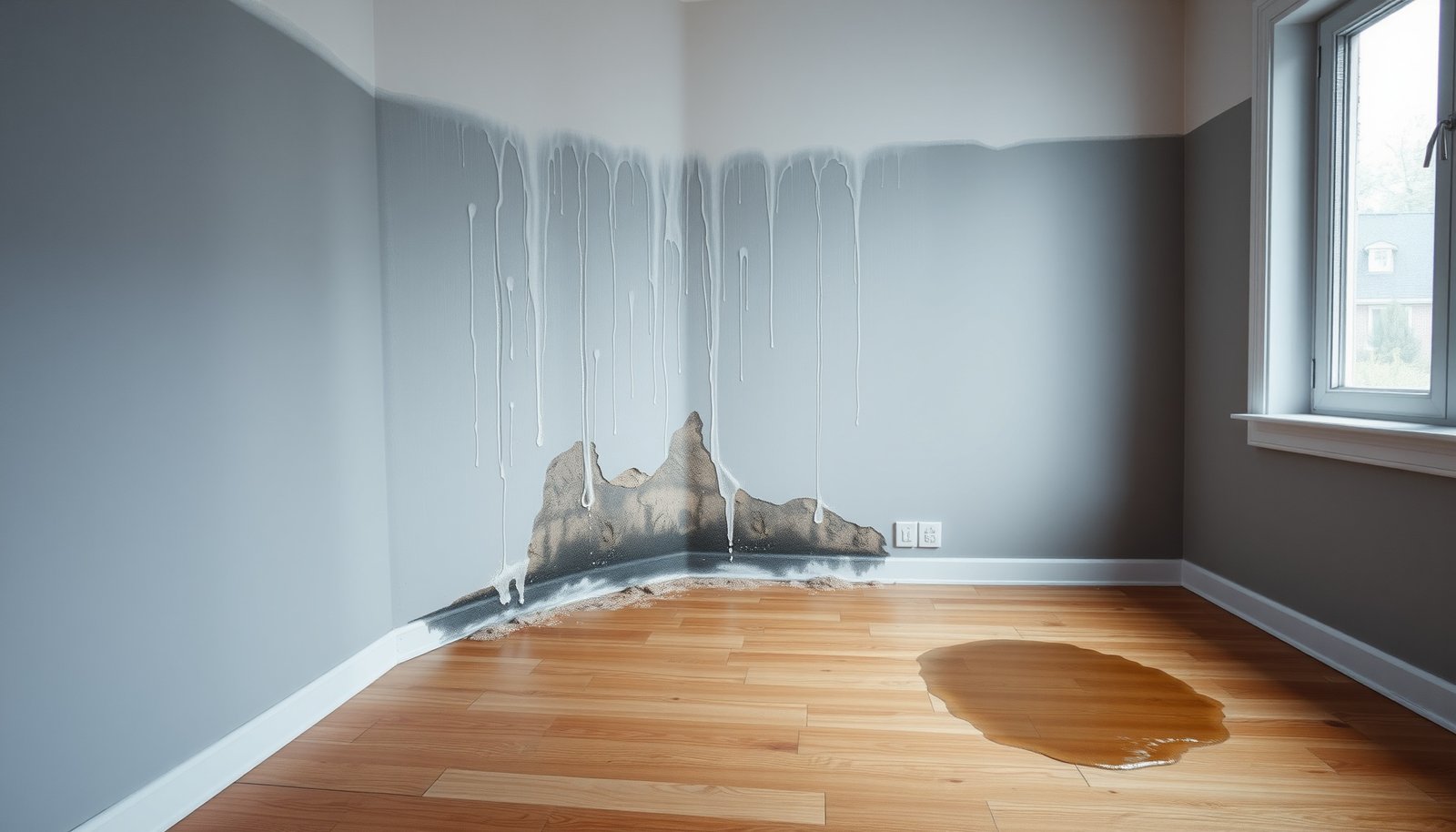
Most people assume that if water is appearing on the inside surface of an exterior wall, they have a leak — a crack in the foundation, a gap…
-
Water Dripping From AC Vents When Humidity Is High: Causes and Fix
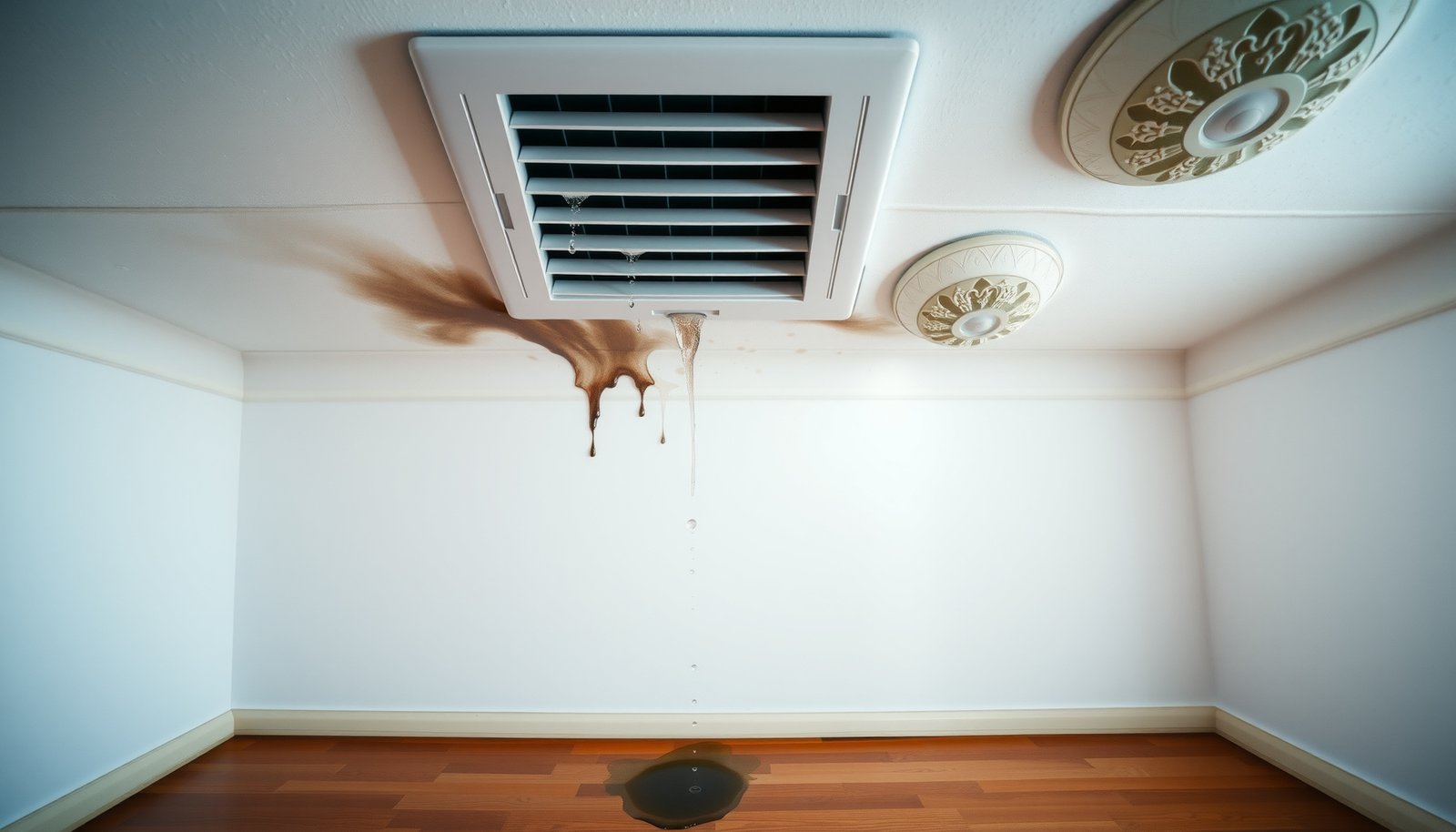
Here’s what most people get wrong: water dripping from AC vents isn’t really an AC problem. It’s a building envelope problem that your AC system is exposing. Your…
-
Windows Dripping Water Every Morning and Rotting the Sill: How to Fix
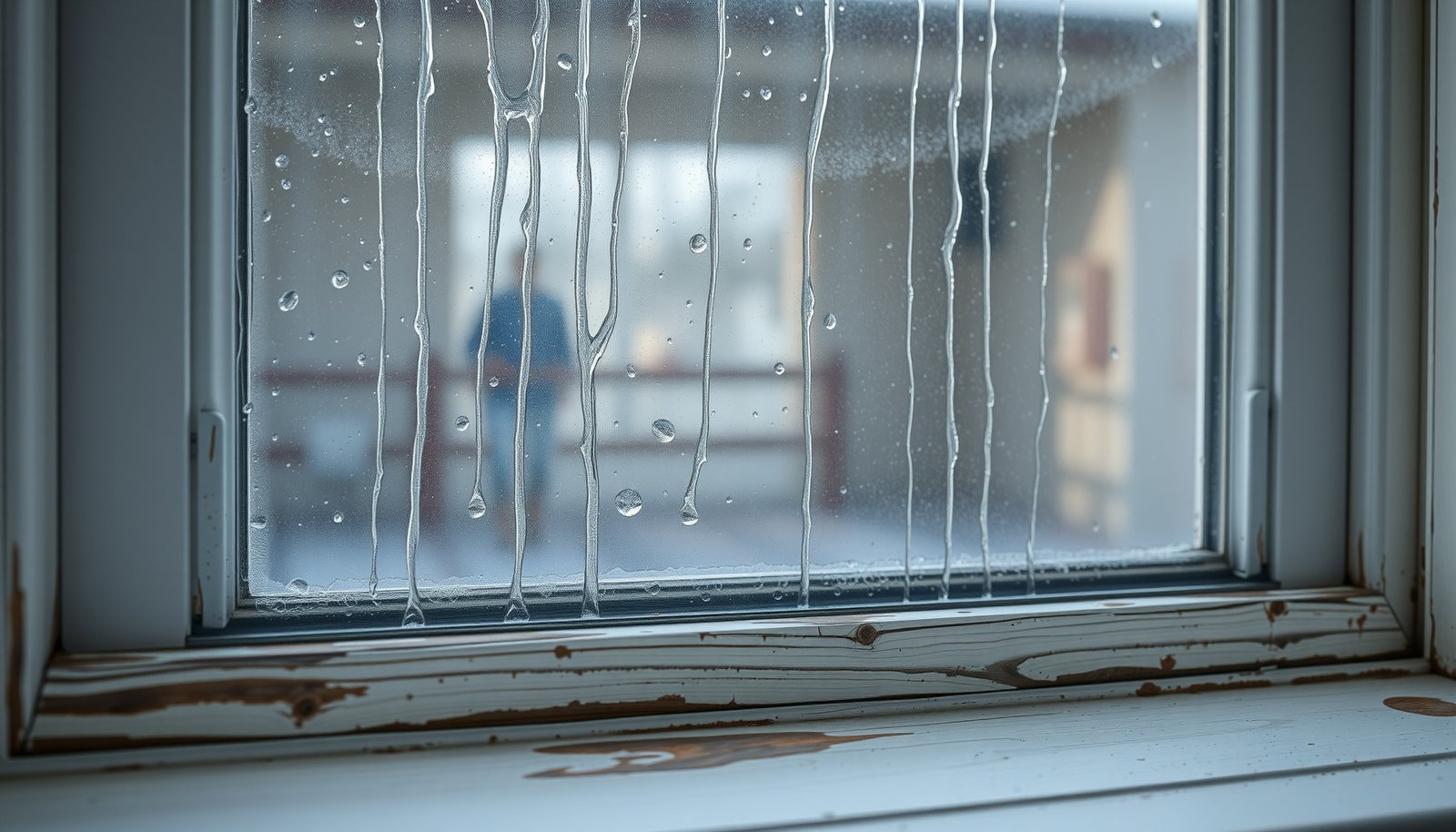
Here’s what almost every article about dripping windows gets wrong: the window isn’t the problem. The window is just where you can see the problem. Your sill is…
-
Condensation on the Inside of Windows in Only One Room: What’s Different There

Here’s what most people get wrong: when condensation shows up on inside of windows in only one room, they assume the windows are the problem. They’re not. The…
-
New Windows Installed but Condensation Got Worse: Why This Happens

You just spent thousands of dollars on new windows. The installer said they’d solve your condensation problem. And now — somehow — the dripping is worse than before.…
-
Condensation Between Double Pane Windows: Should You Repair or Replace?

Here’s what nobody tells you when you discover that foggy haze trapped between your window panes: the condensation itself isn’t your real problem. The failed seal is. And…
-
How to Talk to Your Doctor About Mold Exposure Symptoms

Here’s what most people get wrong: they show up at the doctor’s office saying “I think I have mold,” and then wonder why they walk out with nothing…
-
Mold Around Air Vents: Is It Coming From Inside the Ducts?
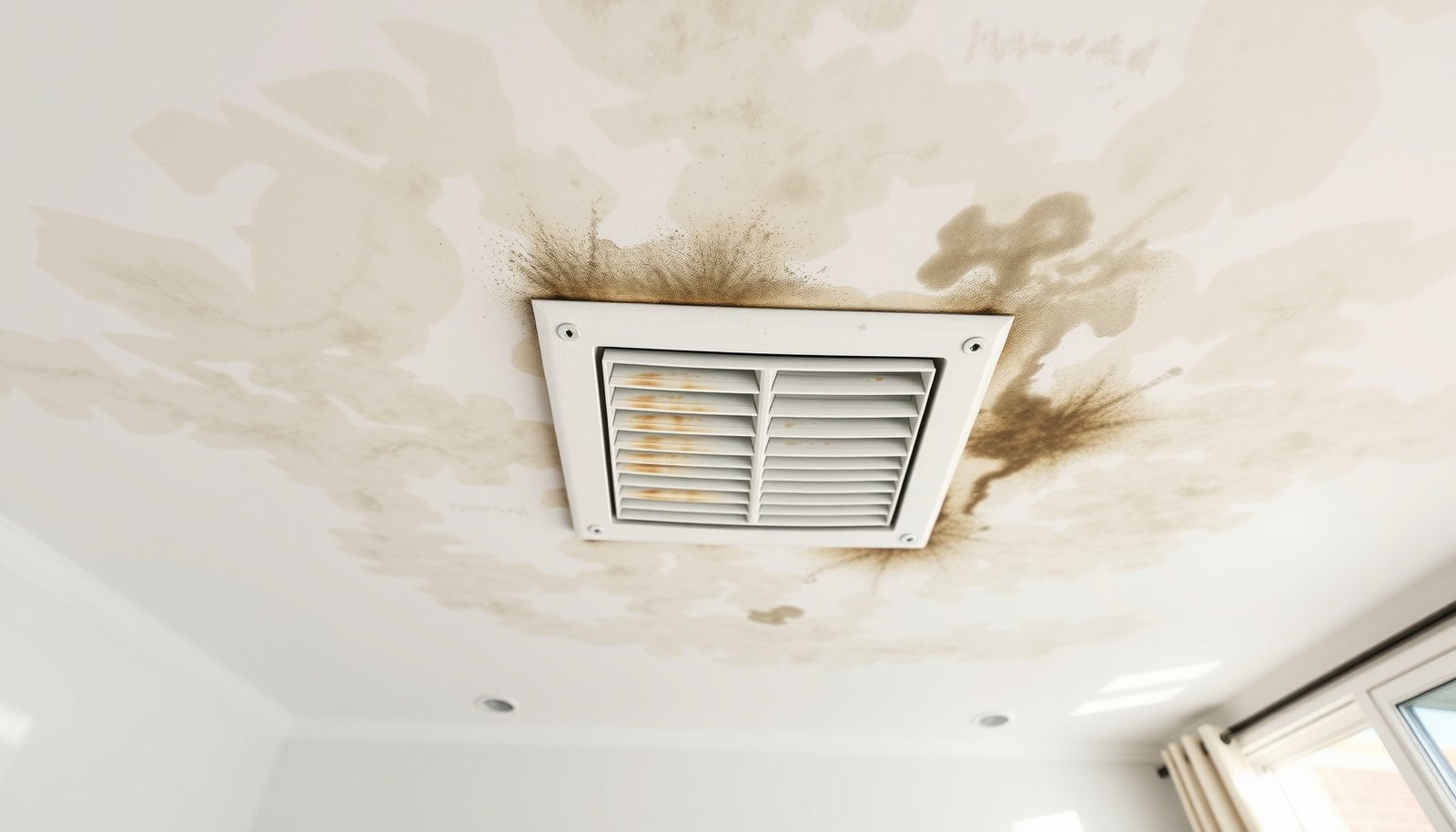
Here’s what most people get completely wrong about mold around air vents: the vent cover is rarely the source. Everyone scrubs the grille, maybe sprays some bleach on…


