Latest posts

  • Can Mold Cause Headaches Without Allergies? The Non-Allergic Truth About Mold-Induced Pain

    Can Mold Cause Headaches Without Allergies? The Non-Allergic Truth About Mold-Induced Pain

    You’ve had the headache for weeks—a dull, persistent throb that Tylenol barely touches. Your doctor ordered allergy tests: negative. No pollen sensitivity, no dust mite reaction, no mold allergies detected. “It’s probably stress,” they conclude, scribbling a prescription for tension headaches. But you know something’s wrong. The headaches worsen at home, particularly in your basement

    Read more

  • Does High Humidity Affect Sleep Quality? The Science Behind Sticky, Sleepless Night

    Does High Humidity Affect Sleep Quality? The Science Behind Sticky, Sleepless Night

    It’s 2:00 AM, and you’re wide awake—again. Your sheets cling to your skin, damp with perspiration despite the air conditioning running full blast. You kick off the covers, but within minutes you’re too cold. You pull them back up, and immediately start sweating again. The cycle repeats endlessly. By morning, you feel like you didn’t

    Read more

  • Damp Walls After Heavy Rain: The Critical 72-Hour Window to Prevent Permanent Damage

    Damp Walls After Heavy Rain: The Critical 72-Hour Window to Prevent Permanent Damage

    The storm finally passed. You survey the damage—fallen branches in the yard, leaves clogging the gutters—nothing unusual for a heavy downpour. But then you notice it: a dark, spreading patch on your living room wall, right below the window. By evening, the patch has grown. You touch it—the drywall feels damp, almost cold. The next

    Read more

  • Condensation Without Visible Mold: The Silent Threat Hiding in Your Walls

    Condensation Without Visible Mold: The Silent Threat Hiding in Your Walls

    You wipe condensation off your bathroom mirror every morning without a second thought. The bedroom windows fog up overnight—annoying, but nothing a quick pass with a towel can’t fix. Your walls feel slightly cool and damp to the touch in certain corners, but you don’t see any mold, so everything must be fine, right? Wrong.

    Read more

  • Damp Walls Near Ceiling: Causes, Risks, and Permanent Solutions

    Damp Walls Near Ceiling: Causes, Risks, and Permanent Solutions

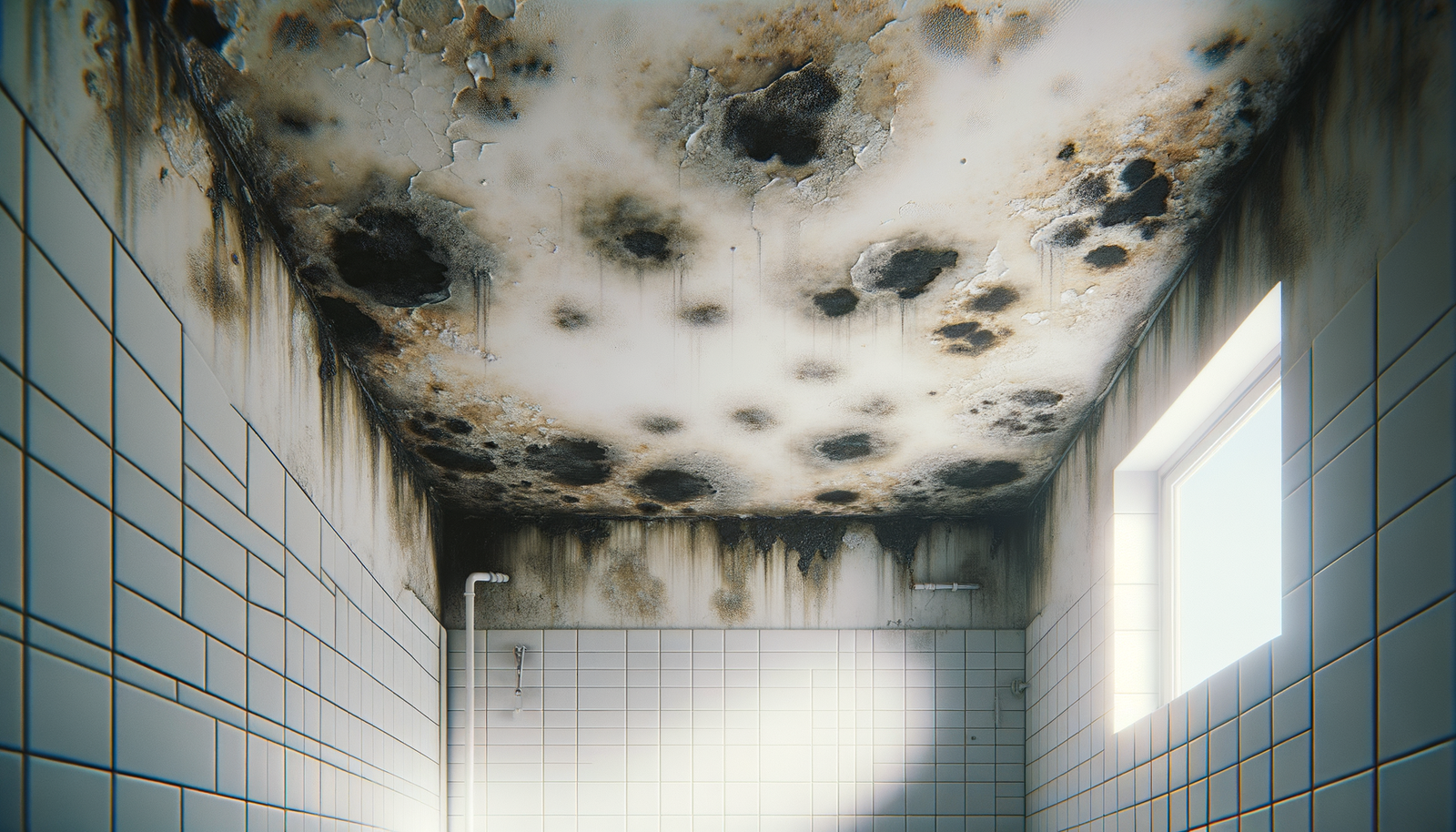
    Have you noticed dark patches, peeling paint, or a heavy damp smell near the top of your walls? Damp walls near the ceiling are more than just an eyesore; they are a warning sign from your home. Damp walls near the ceiling are a common problem in many buildings, especially older ones. Whether it’s a

    Read more

  • How to Stop Condensation in Closets: A Complete Guide to Protecting Your Clothes

    How to Stop Condensation in Closets: A Complete Guide to Protecting Your Clothes

    Have you ever opened your wardrobe only to be greeted by a faint, musty smell or noticed damp patches on the back wall? Condensation in closets is a common but destructive household issue. It’s an invisible enemy that ruined countless leather jackets and expensive suits before homeowners even realized there was a problem. Because closets

    Read more

  • Understanding and Preventing Damp Walls After Insulation

    Understanding and Preventing Damp Walls After Insulation

    Home insulation is designed to improve energy efficiency by creating a thermal barrier that helps regulate indoor temperatures. However, improper insulation can inadvertently lead to moisture retention, resulting in damp walls. This issue can arise particularly when insulation materials are installed without adequate attention to moisture management, ventilation, and existing building conditions, especially in wall

    Read more

  • Condensation When Heating Is On: Why Warm Air Makes Moisture Visible

    Condensation When Heating Is On: Why Warm Air Makes Moisture Visible

    Many people notice a strange pattern in winter: as soon as the heating is turned on, windows begin to fog, metal surfaces feel wet, and small water droplets appear on glass and walls. This feels backward. Heating should make a home drier — not wetter. Turning on the heating can cause condensation because the warm

    Read more

  • How to Increase Humidity: A Practical Guide for Dry Indoor Air

    How to Increase Humidity: A Practical Guide for Dry Indoor Air

    Many people notice a distinct change in their home’s air during the colder months. A scratchy throat in the morning, unexpectedly dry skin, or a sudden spark of static electricity are all common signs. You might even see your houseplants wilting or notice new, fine cracks appearing in your wood furniture. These are not just

    Read more