
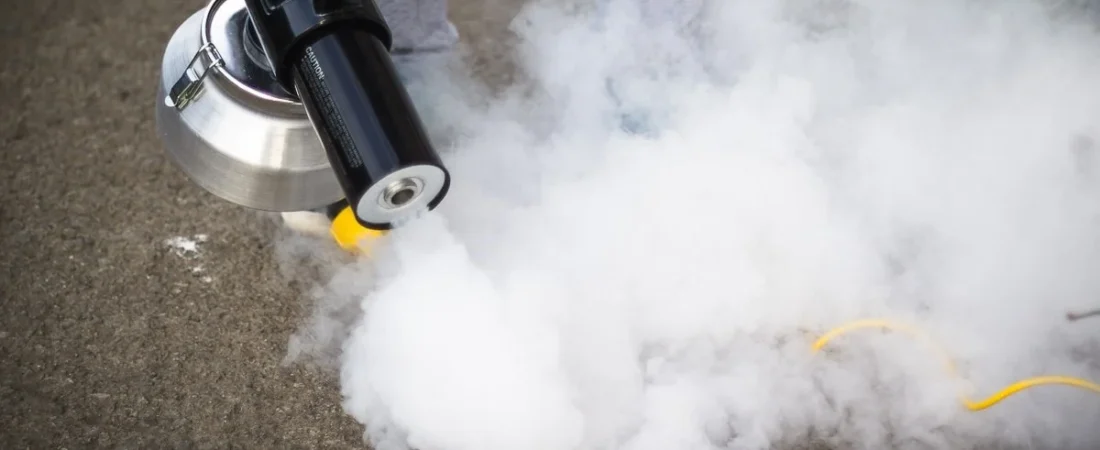
The online advertisement is compelling: “Ozone Generator Kills Mold Naturally! Chemical-Free! Rent for $150—Your Mold Problem Gone in 24 Hours!” You’re desperate. The musty smell in your basement has become unbearable, and quotes from mold remediation companies start at $3,000. An ozone generator seems like the perfect solution—natural, chemical-free, affordable. You rent one, seal your basement, run it overnight as instructed, and return the next morning to…nothing. The smell is gone. Victory! Three weeks later, the musty odor returns, worse than before. The visible mold has spread. You’ve wasted $150, damaged electronics and rubber seals throughout your basement, and you still need professional remediation. Worse, you’ve exposed yourself to ozone concentrations that caused chest pain and respiratory irritation you dismissed as “normal cleaning discomfort.” Here’s what the rental company didn’t tell you: the EPA states unequivocally that “if used at concentrations that do not exceed public health standards, ozone applied to indoor air does not effectively remove viruses, bacteria, mold, or other biological pollutants.” The concentrations required to kill mold—5 to 10 parts per million—are 50 to 100 times higher than the OSHA safety limit of 0.1 ppm for 8-hour occupational exposure.
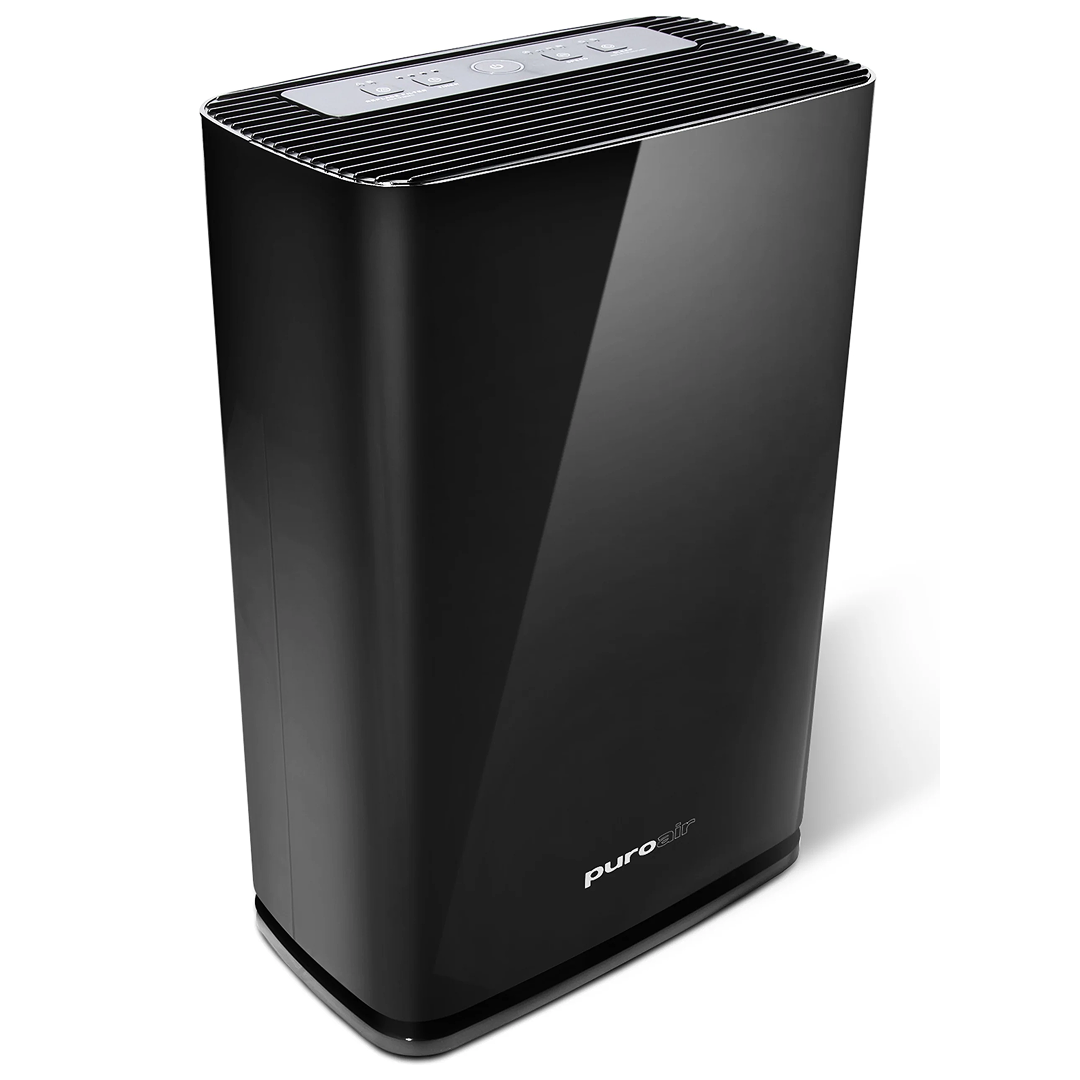
PuroAir 400 — HEPA 14 Air Purifier
- Covers large rooms up to 2,145 sq ft
- World’s first HEPA 14 filter — removes 99.995% of particles
- Auto air quality sensor · whisper-quiet · free shipping
- 100-day money-back guarantee · trusted by 900,000+ customers
We may earn a small commission if you buy through this link — at no extra cost to you.
The fundamental problem with ozone for mold isn’t just ineffectiveness—it’s mathematical impossibility. Research demonstrates that indoor ozone levels attained with ozone generators are not effective as a biocide for bacteria and mold on indoor surfaces, and concentrations required to kill bacteria and mold are far too high—at these concentrations, ozone poses immediate health risks including lung damage, respiratory distress, and oxidative cellular injury. Professional standards from the Institute of Inspection, Cleaning and Restoration Certification (IICRC) explicitly state: “The use of treatments, such as encapsulants, sealants, ozone or ultraviolet light as a substitute for removal and detailed cleaning is generally not recommended.” This comprehensive guide examines exactly why ozone cleaning is unsafe and ineffective for mold removal, explains the deceptive marketing behind ozone generators, reveals the actual health risks from ozone exposure, and provides evidence-based alternatives that genuinely eliminate mold rather than temporarily masking symptoms while creating new hazards.
What Is Ozone and How Do Ozone Generators Work?
Ozone (O₃) is a molecule composed of three oxygen atoms, unlike the stable O₂ we breathe. That third oxygen atom makes ozone highly unstable and reactive—it readily breaks apart and oxidizes (damages) other molecules it contacts.

PuroAir 240 — HEPA Air Purifier
- Ideal for bedrooms and rooms up to 240 sq ft
- Captures 99.9% of airborne pollutants including mold spores
- Whisper-quiet sleep mode — won’t disturb your rest
- 100-day money-back guarantee · trusted by 900,000+ customers
We may earn a small commission if you buy through this link — at no extra cost to you.
Ozone in Nature vs. Artificial Generation
Stratospheric ozone (good): High in Earth’s atmosphere, ozone protects against UV radiation. This is the “ozone layer” we want to preserve.
Ground-level ozone (bad): At breathing level, ozone is a pollutant. It’s a primary component of smog, causing respiratory distress and environmental damage.
Artificially generated ozone: Ozone generators create O₃ through:
- Corona discharge: Electrical arcs split O₂ molecules, which recombine into O₃
- UV light: Specific wavelengths break O₂ bonds, creating O₃
Why Ozone Damages Organic Materials
Ozone’s reactivity means it attacks organic molecules (carbon-based compounds), including:
- Biological organisms (bacteria, viruses, mold spores)
- Human lung tissue (you’re made of organic molecules)
- Rubber, plastics, electronics, artwork
- Odor-causing molecules
Critical understanding: The same property that makes ozone potentially antimicrobial (oxidative damage to cells) also makes it harmful to human respiratory systems. You cannot separate the “good” oxidation (killing microbes) from “bad” oxidation (damaging your lungs)—they’re the same chemical process.
The EPA’s Verdict: Why Ozone Doesn’t Kill Mold at Safe Levels
The Environmental Protection Agency has studied ozone generators extensively and issued clear, science-based warnings that are ignored by most ozone marketing.
The Core Problem: Safe Concentrations Are Ineffective
EPA’s definitive statement:“If used at concentrations that do not exceed public health standards, ozone applied to indoor air does not effectively remove viruses, bacteria, mold, or other biological pollutants.”
Translation: At ozone levels safe enough to breathe (<0.1 ppm), ozone doesn’t kill mold. At levels that kill mold (5-10+ ppm), the concentrations are 50 to 100 times higher than safe exposure limits.
The Research Evidence
Foarde et al. (1997) study:
- Exposed fungi on various building materials to 9 ppm ozone for 23 hours
- Result: Ozone was ineffective at decontaminating fungi
- Context: 9 ppm is:
- 90 times the OSHA Permissible Exposure Limit (0.1 ppm)
- Nearly twice NIOSH’s “Immediately Dangerous to Life and Health” level (5 ppm)
- Far beyond what any human should breathe
Interpretation: Even at concentrations dangerous enough to be immediately life-threatening, ozone STILL didn’t effectively kill mold on building materials.
Why Surface-Only Testing Misleads
Some studies show ozone kills mold spores on agar plates in laboratories. Ozone generator marketers cite these studies as “proof” of effectiveness.
The problem:“The study was conducted by exposing mold to agar plates where the mold was growing. It is not surprising the mold was killed, since the agar acts like an aqueous environment. One should not expect ozone to kill mold on building materials, and even if it did the dead microbial residue would continue to pose a potential allergic or toxicogenic hazard if left in place.” —Eugene Cole, DrPH, Professor of Environmental Health, Brigham Young University
Real-world difference: Mold on moist agar ≠ mold embedded in drywall, wood, insulation, or carpet. Ozone cannot penetrate porous materials where mold actually colonizes buildings.
The Fatal Flaw: Dead Mold Is Still Allergenic and Toxic
Even if ozone could safely kill mold spores (which it can’t), this solves almost nothing.
Mold Allergies Come from Proteins, Not Living Spores
Biological reality: Allergic reactions to mold are triggered by proteins in mold spores and fragments. These proteins remain allergenic whether the mold is alive or dead.
EPA’s critical statement:“The purpose of mold remediation is to remove the mold to prevent human exposure and damage to building materials and furnishings. It is necessary to clean up mold contamination, not just to kill the mold. Dead mold is still allergenic, and some dead molds are potentially toxic.”
Mycotoxins Persist After Death
Some molds produce mycotoxins—toxic compounds that cause health effects independent of allergic responses. Mycotoxins:
- Remain in dead mold
- Don’t break down from ozone exposure
- Continue causing health effects until physically removed
Examples:
- Stachybotrys (black mold): Produces trichothecenes (neurotoxic)
- Aspergillus: Produces aflatoxins (carcinogenic)
- Penicillium: Produces ochratoxins (kidney toxic)
Killing the mold doesn’t eliminate mycotoxins. Physical removal is mandatory.
Structural Damage Continues
Mold doesn’t just sit on surfaces—it grows INTO materials:
- Hyphae (root-like structures) penetrate wood, drywall, insulation
- These structures weaken materials structurally
- Dead mold leaves structural compromise intact
Proper remediation: Remove damaged materials, not just surface-treat them.
Health Risks of Ozone Exposure: What You’re Actually Breathing
Ozone isn’t just ineffective against mold—it’s a potent lung toxin that the EPA, OSHA, FDA, and multiple state agencies warn against.
Immediate Health Effects (Minutes to Hours)
Even short exposure to elevated ozone causes:
- Coughing and throat irritation
- Chest pain and tightness
- Shortness of breath
- Wheezing
- Eye irritation
- Headaches
Mechanism: Ozone oxidizes cells lining respiratory tract, causing inflammation and damage analogous to “sunburn on your lungs.”
Effects Vary by Susceptibility
Some people are particularly vulnerable:
- Children (developing respiratory systems, higher breathing rates)
- Elderly
- Individuals with asthma, COPD, or other respiratory conditions
- Those with cardiovascular disease
Variable sensitivity: Some people experience severe symptoms at 0.1 ppm (the safety limit), while others tolerate slightly higher levels before symptoms. Nobody should be exposed to 5-10 ppm required for antimicrobial effects.
Long-Term and Chronic Effects
Repeated ozone exposure causes:
- Permanent lung function reduction
- Increased susceptibility to respiratory infections
- Accelerated aging of lung tissue
- Worsening of asthma and chronic lung diseases
Occupational studies: Workers chronically exposed to ozone show measurable decrements in lung function.
Ozone Dulls Smell Perception
Dangerous side effect: Ozone damages olfactory receptors, temporarily reducing ability to smell.
Why this matters: Some of ozone’s “deodorizing” effect is altered odor perception rather than actual odor removal. You think the smell is gone because you can’t smell it anymore—but the underlying mold problem persists.
Why Temporary Odor Reduction Creates False Security
The most dangerous aspect of ozone treatment isn’t immediate health effects—it’s the illusion of success that delays proper remediation.
The Typical Homeowner Experience
Week 1: Rent ozone generator, run overnight, musty smell dramatically reduced. Success!
Week 2-3: Smell begins returning. Assume you need another treatment.
Week 4-6: Smell fully returned, often worse. Visible mold growth expanded.
Week 8+: Finally call professional remediation, discovering extensive hidden mold.
What Actually Happened
Surface spore killing: Ozone killed some surface spores directly exposed to ozone flow.
Temporary odor masking: Ozone reacted with volatile organic compounds (MVOCs) causing musty smell, temporarily reducing odor.
Hidden mold untouched: Mold colonizing inside walls, under flooring, in insulation, HVAC ducts—completely unaffected.
Continued growth: Moisture source (the actual cause) never addressed. Hidden mold continues spreading.
Delayed proper treatment: Every week spent believing ozone “worked” is a week of continued mold amplification, increasing final remediation cost.
Financial Consequence
Scenario 1: Immediate professional remediation: $3,000-5,000
Scenario 2: Delay from ozone attempts:
- 3 ozone rentals @ $150 each: $450
- 6 weeks additional mold growth
- Expanded contamination area
- Professional remediation now: $6,000-10,000
Total cost: $6,450-10,450 and double the remediation expense from delay.
Ozone Cannot Penetrate Where Mold Actually Grows
Understanding mold biology reveals why gas-phase treatment fundamentally cannot work.
How Mold Colonizes Buildings
Surface growth (minor problem): Visible mold on painted drywall, tile, or non-porous surfaces. Relatively easy to clean.
Subsurface growth (major problem): Mold penetrates porous materials:
- Drywall paper backing (behind paint)
- Wood studs and framing
- Insulation (fiberglass, cellulose)
- Carpet backing and padding
- Subflooring
Hyphae penetration: Mold produces hyphae (microscopic root-like structures) that grow into materials, not just on surfaces. These hyphae can penetrate inches deep.
Why Ozone Fails Against Subsurface Mold
Ozone is a gas: Gases cannot effectively penetrate solid or porous materials beyond surface layers.
Rapid decomposition: Ozone decomposes quickly (half-life minutes to hours). By the time it diffuses into material surfaces, concentration drops below antimicrobial levels.
Research confirmation: Studies exposing surfaces to ozone show limited killing. Mold inside materials remains completely untouched.
Real-world implication: Even if ozone killed 100% of surface mold (which it doesn’t), subsurface colonization—where the vast majority of mold biomass exists—remains intact and continues growing.
The Moisture Problem Ozone Doesn’t Address
Fundamental fact: Mold grows because moisture is present. Mold spores exist everywhere—they only germinate and colonize where moisture exceeds ~60% relative humidity for sustained periods.
Ozone generators: Do nothing to address moisture sources—leaks, condensation, poor ventilation, high humidity.
Result: Even if ozone killed all existing mold (impossible), new spores germinate within days/weeks once ozone dissipates because the moisture condition enabling growth remains unchanged.

PuroAir HVAC Mega Filter — MERV 13
- Captures dust mites, mold spores and allergens
- MERV 13 + activated carbon — dual filtration
- Designed for optimal airflow · fits any HVAC system
- Free shipping always · easy DIY installation
We may earn a small commission if you buy through this link — at no extra cost to you.
Material Damage: What Ozone Destroys in Your Home
While failing to kill mold effectively, ozone efficiently damages materials and belongings.
Electrical and Electronic Damage
Ozone attacks:
- Rubber and plastic insulation on wiring
- Circuit boards
- Electronic components
- Computer and TV internal components
Consequences:
- Electrical safety hazards from compromised insulation
- Shortened electronics lifespan
- Potential fire hazards
IICRC warning:“Ozone may be responsible for electrical safety hazards, since it can destroy some types of electrical insulation and damage other materials.”
Rubber Deterioration
Ozone causes rapid rubber degradation:
- Rubber door seals (refrigerators, dishwashers, washing machines)
- Rubber hoses and gaskets
- Rubber-backed rugs
- Weatherstripping
Visible effect: Cracking, brittleness, loss of elasticity, premature failure.
Artwork and Valuable Items
Ozone damages:
- Paintings (oil and acrylic)
- Photographs
- Antiques
- Fabrics and textiles
Mechanism: Oxidation of pigments, dyes, and organic materials causes fading, discoloration, and accelerated aging.
Increased Indoor Air Pollutants
Dangerous chemical reactions:“Other studies have demonstrated that ozone can actually increase the levels of formaldehyde and other chemicals when used in buildings.”
How this happens: Ozone reacts with building materials, furnishings, and existing VOCs, creating:
- Formaldehyde (carcinogenic)
- Aldehydes (respiratory irritants)
- Ultrafine particles (deep lung penetration)
- Other toxic byproducts
Result: Attempting to “clean” air with ozone actually pollutes indoor air with newly created toxins.
Regulatory Warnings: EPA, OSHA, FDA, and CARB
Multiple federal and state agencies independently warn against ozone generators. When government regulators across different domains reach identical conclusions, consumers should pay attention.
Environmental Protection Agency (EPA)
Position: Ozone generators are ineffective and potentially harmful.
Key statements:
- “At concentrations that do not exceed public health standards, ozone has little potential to remove indoor air contaminants”
- “Ozone does not effectively remove viruses, bacteria, mold, or other biological pollutants” at safe levels
- Warns that ozone reactions can create harmful byproducts
Recommendation: Avoid using ozone generators for air cleaning.
Occupational Safety and Health Administration (OSHA)
Safety limits:
- Permissible Exposure Limit (PEL): 0.1 ppm for 8-hour workday
- Short-term exposure: 0.3 ppm for 15 minutes maximum
Context: Levels used in “mold killing” (5-10 ppm) are 50-100 times higher than worker safety limits.
Food and Drug Administration (FDA)
Medical device limits: Ozone output of indoor medical devices limited to 0.05 ppm—far below levels claimed necessary for mold remediation.
Medical use distinction: FDA-approved medical ozone therapy (blood ozonation, wound treatment) is completely different from indoor air ozone generation and does NOT validate home ozone generators.
California Air Resources Board (CARB)
Position: Strongly advises against ozone generators in occupied spaces.
Action: Maintains a list of potentially hazardous ozone-generating devices.
Research findings: Confirms ozone ineffectiveness at safe concentrations and documents creation of toxic byproducts.
National Institute for Occupational Safety and Health (NIOSH)
IDLH (Immediately Dangerous to Life or Health):5 ppm
Meaning: At 5 ppm, ozone poses immediate threat of death or irreversible health effects.
Implication: “Effective” mold-killing concentrations (5-10 ppm) fall within or exceed this life-threatening range.
The Marketing Deception: “EPA Establishment Number” Explained
Ozone generator advertisements frequently display “EPA Establishment Number” or “EPA Registered” to suggest government endorsement.
What These Numbers Actually Mean
EPA Establishment Number: Identifies the facility where the device was manufactured. It does NOT mean:
- EPA endorses the product
- EPA tested and approved effectiveness
- EPA confirms safety
EPA Registration (pesticide devices): Some ozone generators registered as “pesticide devices.” This means EPA allows sale, not that EPA recommends use or confirms it works safely.
EPA’s Explicit Clarification
“The EPA does not certify or endorse any air cleaning devices or recommend air cleaning devices or manufacturers.”
Translation: An EPA number on ozone generator packaging is NOT an endorsement. It’s a manufacturing facility identifier or permission to sell—nothing more.
Misleading Marketing Claims
Common deceptive claims:
- “EPA Approved” (False—EPA doesn’t approve consumer products)
- “EPA Tested” (False—EPA testing showed ineffectiveness and danger)
- “EPA Registered Kills Mold” (Misleading—registration ≠ effectiveness validation)
Consumer action: Ignore “EPA” references in ozone marketing. They’re designed to mislead.
What Actually Works: Evidence-Based Mold Remediation
Since ozone doesn’t work, what does? Professional remediation following established protocols.
The IICRC S520 Standard
Institute of Inspection, Cleaning and Restoration Certification (IICRC) publishes the professional standard for mold remediation: S520 Standard and Reference Guide.
Core principles:
- Identify and correct moisture source (leaks, condensation, humidity)
- Contain affected area (prevent spore dispersal during work)
- Remove contaminated materials (water-damaged drywall, insulation, carpet)
- Clean salvageable materials (HEPA vacuum, antimicrobial cleaning)
- Dry affected areas (dehumidifiers, air movers)
- Verify remediation success (post-remediation testing)
Critical quote:“The use of treatments, such as encapsulants, sealants, ozone or ultraviolet light as a substitute for removal and detailed cleaning is generally not recommended.”
Professional Mold Remediation Steps
Step 1: Assessment
- Visual inspection identifying all affected areas
- Moisture mapping (thermal imaging, moisture meters)
- Air and surface sampling (determines mold species and spore concentrations)
Step 2: Containment
- Seal affected area with plastic sheeting
- Negative air pressure (prevents spore migration to clean areas)
- HEPA air filtration running during work
Step 3: Material Removal
- Remove porous materials with heavy contamination (drywall, insulation, carpet)
- Discard in sealed bags to prevent spore release
- HEPA vacuum all surfaces
Step 4: Cleaning
- Clean salvageable surfaces with antimicrobial solutions
- HEPA vacuum and damp-wipe all surfaces
- May use physical abrasion (wire brushing, media blasting) for hard surfaces
Step 5: Drying
- Deploy commercial dehumidifiers and air movers
- Reduce moisture to <15% in wood, <1% in drywall
- Verify with moisture meters
Step 6: Prevention
- Fix moisture source (repair leaks, improve ventilation, control humidity)
- May apply encapsulants to remaining surfaces (AFTER cleaning, not instead of)
Step 7: Verification
- Post-remediation air testing confirms spore levels returned to normal
- Visual inspection verifies all mold removed
- Clearance testing before reconstruction
DIY Mold Cleaning (Small Areas Only)
Suitable for: <10 square feet surface mold on non-porous materials (tile, glass, metal)
NOT suitable for: Mold on porous materials, hidden mold, extensive growth, moldy HVAC systems
DIY protocol:
- Wear N95 respirator, gloves, eye protection
- Contain area (close doors, open window for ventilation OUT)
- Clean with detergent and water OR commercial antimicrobial
- HEPA vacuum after drying
- Discard cleaning materials in sealed bags
- Fix moisture source
When to call professionals:
- Mold >10 sq ft
- Mold in HVAC system or ductwork
- Mold from sewage backup
- Mold in wall cavities, under flooring
- Mold returns after cleaning
- Individuals with respiratory conditions or compromised immunity in home
When Professionals Use Ozone (Rarely and Carefully)
Legitimate professional ozone use is extremely limited and differs entirely from consumer ozone generator marketing.
Post-Remediation Odor Control Only
Context: AFTER complete physical mold removal and cleaning, lingering odors may persist from residual VOCs (Microbial Volatile Organic Compounds).
Professional ozone protocol:
- Complete mold remediation (removal, cleaning, drying)
- Verify all contamination removed
- Evacuate building (humans, pets, plants)
- Seal space
- Deploy commercial ozone equipment (controlled output)
- Run for specified duration
- Ventilate thoroughly (12-24 hours air exchange)
- Verify safe ozone levels before re-entry
Critical differences from consumer use:
- Used AFTER remediation, NEVER as substitute
- Professional equipment with calibrated output
- Complete evacuation during treatment
- Extended ventilation before occupancy
- Used for odor control, not mold killing
Frequency: Professionals use ozone in <5% of mold jobs—only when odors persist after successful remediation.
Comparison Table: Ozone vs. Proper Remediation
| Factor | Ozone Generators | Professional Mold Remediation |
|---|---|---|
| Effectiveness Against Mold | Ineffective at safe levels (<0.1 ppm); dangerous at “effective” levels (5-10 ppm) | Highly effective—physically removes mold and contaminated materials |
| Addresses Root Cause | No—doesn’t fix moisture source | Yes—identifies and corrects moisture problems |
| Dead Mold Removal | No—leaves allergenic dead mold in place | Yes—physically removes all mold (dead and alive) |
| Penetrates Porous Materials | No—gas cannot reach subsurface mold | Yes—removes contaminated materials entirely |
| Health Safety | Dangerous—respiratory irritation, lung damage, creates toxic byproducts | Safe—proper PPE, containment prevents exposure |
| Material Protection | Damages electronics, rubber, artwork, creates formaldehyde | Protects salvageable materials; removes only contaminated items |
| Regulatory Support | EPA, OSHA, FDA, CARB warn against | IICRC S520 professional standard; industry best practices |
| Long-Term Success | Temporary—mold returns within weeks | Permanent—when moisture source addressed |
| Cost | $150-300 rental (short-term); repeat needed; eventual professional remediation still required | $1,500-10,000+ depending on extent; one-time comprehensive solution |
| Time to Results | Hours to run; weeks until mold returns | Days to weeks for complete remediation; permanent results |
| Best Use Case | None for mold remediation; limited post-remediation odor control by professionals only | All mold problems requiring intervention |
PuroAir 240
HEPA Air Purifier
Best for
Bedrooms, nurseries, small offices
PuroAir 400
HEPA 14 Air Purifier
Best for
Living rooms, mold & allergy sufferers
We may earn a small commission if you buy through these links — at no extra cost to you.
Don’t Gamble Your Health on Ineffective Technology
Ozone generators marketed for mold removal aren’t just ineffective—they’re dangerous distractions from proper remediation, creating false security while mold continues spreading and ozone damages your lungs and belongings. The EPA’s position is unambiguous: at safe concentrations, ozone doesn’t kill mold; at concentrations that kill mold, ozone is too dangerous for human exposure. This isn’t a gray area requiring personal judgment—it’s settled science confirmed by EPA, OSHA, FDA, CARB, and professional remediation standards. When multiple federal agencies and industry experts independently reach identical conclusions warning against a technology, continuing to use that technology isn’t brave—it’s denial of overwhelming evidence.
The temporary musty smell reduction that convinces homeowners ozone “worked” is the most dangerous aspect of these devices. Surface spore killing and temporary MVOC oxidation mask the problem for 2-4 weeks while subsurface mold—the actual threat—continues colonizing building materials unreachable by gas-phase treatment. Every week spent believing ozone solved the problem is a week of continued mold amplification, moisture damage, and structural compromise, transforming a $3,000 remediation into a $6,000-10,000 disaster.
Your action framework rejects ozone completely: If you have mold contamination exceeding 10 square feet, visible growth on porous materials, or suspect hidden mold, hire IICRC-certified professionals following S520 standards. If you have small surface mold on non-porous materials, clean it yourself with proper PPE and antimicrobials—but never with ozone. Most importantly, identify and fix the moisture source enabling mold growth—leaking pipes, roof damage, condensation, high humidity, poor ventilation. No treatment, ozone or otherwise, succeeds without moisture control.
The ozone generator rental company profits from your desperation and ignorance. Professional remediators profit from solving your problem permanently through evidence-based methods. The EPA, OSHA, FDA, and CARB—agencies with no financial stake—unanimously warn you against ozone. Trust the science, not the marketing. Your lungs and your home deserve better than ineffective technology that damages both while failing to address the actual problem.
Take action today—the right action. If you have mold, call certified professionals. If you already rented an ozone generator, return it and request a refund. If the smell temporarily disappeared after ozone treatment, don’t assume success—schedule professional assessment before hidden mold causes structural damage requiring tens of thousands in repairs. Ozone isn’t a shortcut to mold remediation; it’s a detour delaying proper treatment while creating new health hazards. Your family’s respiratory health and your home’s structural integrity are worth more than $150 saved on ineffective rental equipment.
Frequently Asked Questions
Does ozone kill mold spores in the air?
At safe levels (<0.1 ppm), no. At dangerous levels (5-10 ppm), ozone may kill some airborne spores but cannot penetrate porous materials where mold actually grows. Even if it killed all spores (impossible), dead mold remains allergenic and toxic—the EPA states “it is necessary to clean up mold contamination, not just to kill the mold.” Physical removal is mandatory regardless.
Can I use an ozone generator if I leave the house during treatment?
Evacuation doesn’t make ozone safe or effective. Ozone still fails to kill subsurface mold, leaves dead allergenic mold in place, creates toxic byproducts (formaldehyde), damages electronics and rubber, and dulls your smell perception creating false security. Professional standards explicitly recommend against ozone as a mold treatment substitute, occupied or not.
Is ozone safe for removing mold smells from cars or small spaces?
No. The same problems apply: ineffective at safe levels, dangerous at “effective” levels, doesn’t remove mold (just temporarily masks smell), damages car interior rubber/electronics, and creates false security. For vehicle mold odors, proper detailing with HEPA vacuuming, antimicrobial cleaning, and addressing moisture sources (leaking seals, wet carpets) actually works.
What should I do if I already used an ozone generator for mold?
Ventilate thoroughly (24 hours with windows open), verify no ozone smell remains, then hire IICRC-certified professionals for proper assessment. The temporary smell reduction doesn’t mean mold is gone—subsurface colonization remains. Get professional inspection, moisture mapping, and comprehensive remediation before mold spreads further. Document ozone use dates for insurance claims if applicable.
Why do some mold remediation companies use ozone?
Legitimate professionals rarely use ozone (<5% of jobs), and only AFTER complete physical remediation for lingering odor control—never as primary treatment. Companies offering “ozone mold killing” as main service either don’t follow IICRC S520 standards or are misleadingly marketing odor control as “mold removal.” Always verify contractors follow professional standards requiring physical removal.