
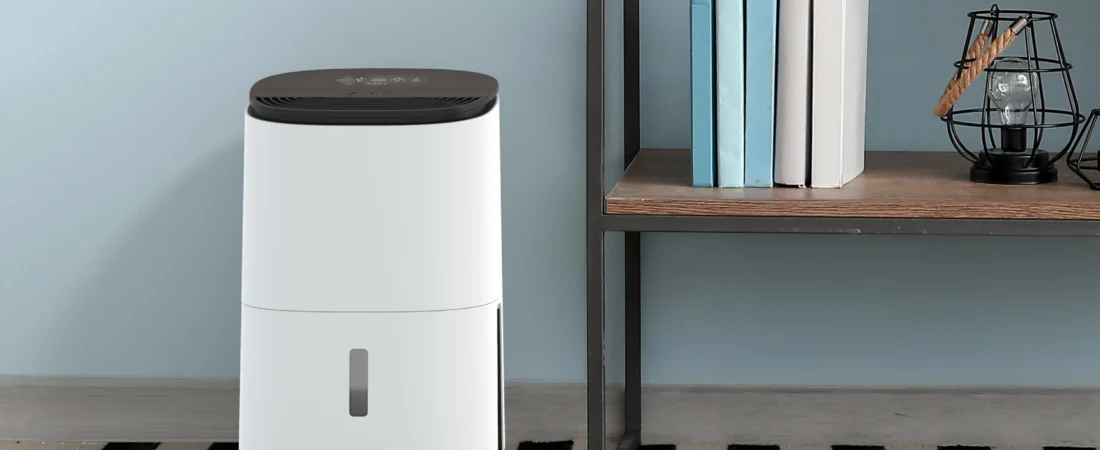
Buying a dehumidifier is only half the battle against excess moisture. The location you choose can make the difference between dramatic improvement and disappointing results. Many homeowners place their unit in the most convenient spot, then wonder why humidity levels barely budge after weeks of operation.
PuroAir 400 — HEPA 14 Air Purifier
- Covers large rooms up to 2,145 sq ft
- World’s first HEPA 14 filter — removes 99.995% of particles
- Auto air quality sensor · whisper-quiet · free shipping
- 100-day money-back guarantee · trusted by 900,000+ customers
We may earn a small commission if you buy through this link — at no extra cost to you.
A dehumidifier doesn’t magically pull moisture from every corner of your home. It only processes the air that actually reaches its intake fan. Understanding how humid air moves through your space – and where it tends to accumulate – determines whether your investment pays off or sits there wasting electricity.
Why Placement Trumps Power Every Time
Even a 70-pint powerhouse can feel useless if positioned incorrectly. The unit removes moisture from air that passes through its coils – no air circulation means no moisture removal. It’s that simple.
Humidity isn’t evenly distributed throughout homes. It clusters in specific zones where airflow stagnates or moisture sources create localized problems. Your dehumidifier needs to intercept this humid air where it actually exists, not where it’s most convenient to plug in.

PuroAir 240 — HEPA Air Purifier
- Ideal for bedrooms and rooms up to 240 sq ft
- Captures 99.9% of airborne pollutants including mold spores
- Whisper-quiet sleep mode — won’t disturb your rest
- 100-day money-back guarantee · trusted by 900,000+ customers
We may earn a small commission if you buy through this link — at no extra cost to you.
How Moisture Behaves in Indoor Spaces
Humid air behaves differently than dry air. It’s heavier, tends to settle near moisture sources, and often gets trapped in areas with poor ventilation. Bathrooms after showers, bedrooms during sleep, and basement corners all become moisture pockets.
Air doesn’t flow in neat, predictable patterns from room to room. Furniture placement, wall configurations, and door positions create complex circulation patterns. A dehumidifier placed without considering these airflow realities might only treat a fraction of your space.
| Room Type | Moisture Level | Best Placement Strategy |
|---|---|---|
| Bedroom | High overnight | Away from bed, near air return |
| Bathroom | Extreme spikes | Just outside door for lingering moisture |
| Basement | Consistently high | Center area with 18+ inch clearance |
| Living room | Moderate | Near airflow paths, not corners |
Target the Worst Area First
The most effective strategy focuses on your biggest problem area. This might be the bedroom where you wake up to condensation on windows, or the basement that always smells musty. Treating the worst zone first creates a ripple effect that gradually improves conditions in adjacent areas.
Look for obvious signs: persistent dampness, slow-drying laundry, or that heavy feeling in the air. These symptoms tell you where moisture actually accumulates, not just where you think it might be a problem.
Bedroom Placement: High Impact, High Stakes
Bedrooms generate surprising amounts of moisture overnight. Two people can release nearly a pint of water vapor through breathing and perspiration during eight hours of sleep. Poor overnight ventilation traps this moisture, creating that stuffy morning feeling.
Position your dehumidifier where it can process air freely without blowing directly on sleeping areas. The goal is gentle air circulation, not a wind tunnel effect. Placing it near a dresser or in a corner opposite the bed often works well.
“Proper dehumidifier placement can reduce bedroom humidity by 15-20% more effectively than random positioning. The key is allowing unrestricted airflow while avoiding direct air currents on occupants.”
Michael Chen, Indoor Air Quality Specialist
Bathroom Strategy: Timing Matters
Bathrooms create massive humidity spikes that overwhelm most residential dehumidifiers. A hot shower can push humidity from 40% to 90% in minutes. Your dehumidifier isn’t designed to handle these extreme, short-term events.
Instead, focus on lingering moisture that remains after ventilation fans stop running. Placing the unit just outside the bathroom door often captures this residual humidity more effectively than cramming it into the bathroom itself, where space constraints limit airflow.

PuroAir HVAC Mega Filter — MERV 13
- Captures dust mites, mold spores and allergens
- MERV 13 + activated carbon — dual filtration
- Designed for optimal airflow · fits any HVAC system
- Free shipping always · easy DIY installation
We may earn a small commission if you buy through this link — at no extra cost to you.
Critical Placement Rules
- Maintain 18-24 inches clearance on all sides – walls and furniture block airflow more than most people realize
- Avoid corners and dead zones where air circulation stagnates naturally
- Keep the unit on floor level where heavier humid air tends to settle
- Position near natural airflow patterns, not against them
- Consider door positions – closed doors isolate treatment to single rooms
Common Mistakes That Kill Performance
Most placement complaints stem from predictable errors. Understanding these mistakes can immediately improve your results without changing any settings or buying new equipment.
- Tucking the unit behind furniture “to hide it” – this blocks essential airflow
- Placing it directly against walls – reduces air intake by up to 40%
- Choosing locations based on convenience rather than air circulation
- Expecting one unit to handle multiple closed-off rooms effectively
- Ignoring noise concerns, then moving it to ineffective quiet spots
Moving Between Rooms: A Flexible Approach
In larger homes, relocating your dehumidifier can be more effective than buying multiple units. Start with the most problematic room for 2-3 weeks, then move to the next priority area. This approach requires patience but often delivers better results than permanent placement in a central location.
Track your progress by monitoring how quickly moisture levels drop in each location. Some rooms respond within days, while others need weeks of treatment. This information helps you develop a rotation schedule that addresses each area’s specific needs.
PuroAir 240
HEPA Air Purifier
Best for
Bedrooms, nurseries, small offices
PuroAir 400
HEPA 14 Air Purifier
Best for
Living rooms, mold & allergy sufferers
We may earn a small commission if you buy through these links — at no extra cost to you.
Placement Affects Operating Costs
Poor placement forces your dehumidifier to work harder for less result. When the unit can’t access humid air efficiently, it runs longer cycles while collecting minimal moisture. This wastes electricity and shortens the equipment’s lifespan.
Optimal placement can reduce runtime by 25-30% while improving moisture removal. The unit reaches target humidity levels faster, cycles less frequently, and maintains conditions more efficiently. This translates to lower electric bills and less wear on components.
Frequently Asked Questions
Where is the best place to put a dehumidifier?
Place your dehumidifier in the room where humidity problems are most noticeable, with adequate airflow around the unit. This means at least 18 inches of clearance from walls and furniture, avoiding corners where air circulation is poor. Target areas with obvious moisture issues like persistent dampness, condensation, or musty odors rather than choosing locations based solely on convenience.
Can I place a dehumidifier in a corner?
Corner placement is usually less effective because corners are natural dead zones for air circulation. Humid air may never reach the dehumidifier’s intake when it’s trapped in stagnant corner air. Position the unit slightly away from corners, ideally 18-24 inches from walls on all sides, to allow proper airflow and maximize moisture removal efficiency.
Should doors be open or closed?
Door position depends on your humidity control goals – closed doors isolate treatment to single rooms while open doors allow broader coverage. If you’re targeting one specific problem room, keep doors closed to concentrate the dehumidifier’s effect. For whole-home humidity control, leave interior doors open to promote air circulation between spaces.
Can I move a dehumidifier between rooms?
Moving a dehumidifier between rooms can be highly effective, especially in larger homes where one unit can’t treat all areas simultaneously. Start with your most humid room for 2-3 weeks, then relocate to the next priority area. This rotation approach often works better than permanent central placement and costs less than buying multiple units.
Strategic placement transforms an average dehumidifier into a powerful moisture control tool. Focus on airflow, target your worst problem areas, and give your unit the space it needs to work efficiently. The difference between random placement and thoughtful positioning often determines whether you get relief or frustration from your investment.