
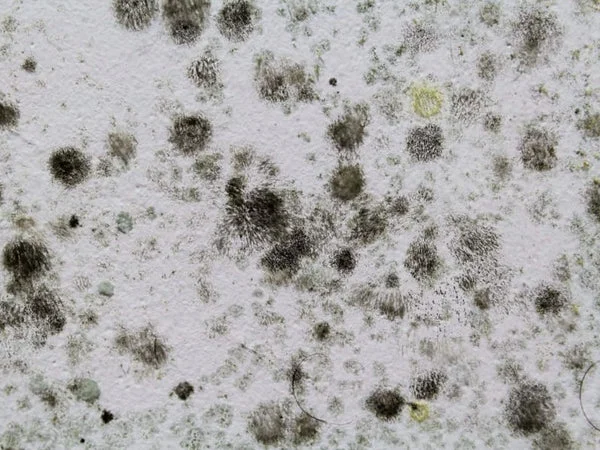
Bottom line up front: Black mold: is it dangerous? Yes — but almost certainly not in the way you’ve been led to believe. The fear around black mold has been so thoroughly exaggerated that most people are panicking about the wrong thing entirely, while missing the real risks hiding in plain sight.
Here’s what actually happens: the term “black mold” gets used as a catch-all bogeyman, when in reality it refers to one specific species — Stachybotrys chartarum — that’s far less common indoors than the mold panic industry would have you believe. Meanwhile, several other mold species that don’t look dramatic or black are causing genuine health problems in homes every single day, and nobody’s writing sensational headlines about those.
This article is going to cut through the mythology, give you the actual science on what mold does to human health, and help you figure out whether what’s growing behind your bathroom tiles deserves a calm cleaning session or a serious remediation call.
What Is Black Mold and Why Does Everyone Fear It?
Stachybotrys chartarum earned its fearsome reputation partly from a cluster of cases in the mid-1990s involving infants in Cleveland who developed pulmonary hemorrhage — bleeding in the lungs. Investigators initially linked the cases to Stachybotrys, and the media ran wild with “toxic black mold” as a phrase. The CDC later reviewed the evidence and found the link inconclusive, but the panic was already baked into public consciousness.
Here’s the thing that most mold articles skip entirely: Stachybotrys chartarum actually requires very specific, persistently wet conditions to grow — we’re talking materials that have been soaking wet for at least 7 to 10 consecutive days, not just damp. It loves cellulose-rich materials like drywall paper, ceiling tiles, and rotting wood. So while it’s possible to find in a flooded basement that sat untreated for two weeks, it’s not what’s typically growing on the grout between your shower tiles.
That distinction matters enormously, because it changes how you respond. Treating every dark spot in your bathroom as a life-threatening emergency isn’t just emotionally exhausting — it leads people to ignore legitimate mold problems because they assume if it’s not the scary black variety, it’s fine. It’s not always fine.
Black Mold Health Risks: What the Science Actually Says
The real mechanism of mold-related illness isn’t some mysterious toxin seeping through your walls at night. Mold causes health problems primarily through three pathways: allergenic reactions, irritant effects from spores and fragments, and in rare cases, mycotoxin exposure. Understanding which pathway applies to your situation is what determines how seriously you should take the problem.
Stachybotrys does produce mycotoxins — specifically trichothecenes — which are genuinely toxic compounds. However, the key question researchers have wrestled with for decades is whether indoor mold colonies produce enough mycotoxin in airborne concentrations to cause the severe neurological symptoms that circulate in online forums. The honest answer is: for most people in most indoor environments, no. The documented cases of serious mycotoxin illness tend to involve agricultural workers handling massive quantities of contaminated grain, not homeowners with a patch of mold behind the refrigerator.
That said, dismissing mold entirely is equally wrong. Allergic responses to mold spores are well-documented and can be serious, particularly in people with asthma. Studies have found that children living in moldy homes have a 40% higher risk of developing asthma, and adults with existing respiratory conditions consistently show worse outcomes in high-mold environments. Those are real numbers that deserve real attention.
“The public conversation about black mold conflates two very different problems — allergenic mold exposure, which is genuinely common and clinically significant, and mycotoxin poisoning, which is rare in residential settings. When we lump them together, patients either dismiss real symptoms or catastrophize manageable situations. Clinically, we’re much better served by testing the individual’s immune response than by relying on the mold’s color as a proxy for danger.”
Dr. Patricia Fennell, Environmental Medicine Specialist, Center for Complex Infectious Diseases
What Are the Symptoms of Black Mold Exposure?
Symptoms of mold exposure fall into a frustratingly wide range, which is part of why diagnosis is genuinely difficult. The overlap between mold-related symptoms and common conditions like seasonal allergies, the common cold, or even anxiety means mold often goes unidentified as the cause for months — sometimes years.
Here’s what repeated, significant exposure to indoor mold — including but not limited to Stachybotrys — can actually produce in real people:
- Chronic nasal congestion and sinus pressure that doesn’t fully resolve between “colds” and tends to improve when you leave home for several days
- Persistent coughing or wheezing, particularly worse in the morning after sleeping in a moldy environment all night
- Eye irritation — redness, watering, itchiness — that tracks with time spent in specific rooms of your home
- Skin rashes or hives in people with mold-specific IgE antibodies, indicating a true allergic sensitization
- Fatigue and cognitive fog — real, but disputed in terms of mechanism, and more commonly associated with poor sleep from nighttime respiratory symptoms than direct neurotoxic effects
- Asthma exacerbations, sometimes severe, in the estimated 4.6 million asthma cases in the U.S. that are attributable to dampness and mold exposure
One pattern that’s genuinely useful diagnostically: if your symptoms consistently improve when you travel away from home for more than 48 hours, and worsen within a day or two of returning, that’s a meaningful signal. It doesn’t prove mold is the cause, but it narrows the field considerably and makes professional air quality testing a reasonable next step.
Who Is Actually at Risk from Indoor Mold Exposure?
Healthy adults with no underlying respiratory or immune conditions can tolerate brief, moderate mold exposure with minimal symptoms beyond some irritation. That’s not dismissiveness — it’s physiology. The human respiratory tract has sophisticated filtration and immune surveillance systems designed to handle environmental particulates, including fungal spores.
The populations where indoor mold moves from “unpleasant” to “medically serious” are more specific than most articles acknowledge. Vulnerability correlates directly with immune system status, respiratory baseline, and length of exposure — not just with whether the mold is technically Stachybotrys or something else.
| Population Group | Primary Risk | Relative Severity |
|---|---|---|
| Infants and young children | Asthma development, respiratory infections | High — developing immune systems are more reactive |
| People with asthma or COPD | Exacerbations, bronchospasm, hospitalization | High — mold is a well-established trigger |
| Immunocompromised individuals | Invasive fungal infection (rare but serious) | Very High — some molds can cause systemic infection |
| Healthy adults | Allergic rhinitis, irritation | Low to Moderate — dependent on exposure intensity |
The immunocompromised category deserves special attention because it’s underrepresented in mainstream mold articles. For people undergoing chemotherapy, organ transplant recipients, or those with HIV/AIDS, certain mold species — including Aspergillus, not Stachybotrys — can cause invasive fungal infections that colonize lung tissue. That’s not a hypothetical. It’s a documented clinical reality that changes the calculus on mold tolerance entirely for those individuals.
The Mold Colors You Should Actually Worry About Indoors
Here’s the counterintuitive fact that most people never hear: the color of mold tells you very little about how dangerous it is. Color is determined by pigmentation in spores, which varies not just by species but by growth stage, the surface it’s growing on, and environmental conditions. Aspergillus niger, one of the more problematic species for immunocompromised people, can appear black. Cladosporium, which is extremely common and primarily allergenic, can appear dark green to black. Meanwhile, some strains of Stachybotrys can appear greenish or grayish, not the dramatic inky black you might expect.
The molds that cause the broadest allergenic illness in residential settings are actually Cladosporium, Penicillium, and Aspergillus species — none of which are reliably identified by their color alone. These three genera account for the majority of mold-related allergy and asthma cases because they’re ubiquitous, they produce spores in enormous quantities, and they grow readily at normal indoor humidity levels above 60%.
Obsessing over whether your mold is “the black kind” while ignoring a large colony of greenish-gray Penicillium spreading across your bedroom wall is a category error. Any significant mold growth — meaning a patch larger than about 10 square feet according to EPA guidelines — warrants professional assessment and remediation regardless of color.
How Does Black Mold Actually Get Into Your Home?
Mold doesn’t appear out of nowhere. Every indoor mold colony started with spores — which are literally everywhere, floating in outdoor air at concentrations of hundreds to thousands per cubic meter depending on season and location. Those spores enter homes through windows, HVAC systems, on clothing, on pets, and on building materials. The spores themselves sitting dormant on a dry surface don’t constitute a problem. The problem starts when moisture enters the equation.
Stachybotrys specifically requires a water activity level above 0.9, which translates to materials that are genuinely, persistently saturated — not just humid. This is why you find it after roof leaks that weren’t caught for weeks, after floods, or behind walls where a slow pipe leak has been saturating drywall undetected. The scenario that produces real Stachybotrys growth isn’t bathroom condensation — it’s a hidden water source that’s been feeding a colony for weeks or months.
Think about a real-world situation: a family notices a musty smell in a finished basement after a particularly wet spring. They can’t see any visible mold. Months later, a family member develops persistent sinus infections. When they finally pull back the drywall around the perimeter of the basement, they find a dark, slimy colony on the paper facing of the insulation — exactly the kind of cellulose-based material Stachybotrys loves. The water source turned out to be a barely-weeping crack in the foundation that had been slowly wicking moisture for nearly a year. That’s how this actually happens.
How to Test for Black Mold in Your Home Without Wasting Money
Home mold test kits — the kind you buy at a hardware store and mail to a lab — are almost universally not worth the money. They typically confirm the presence of mold spores (which are present in virtually every home) without telling you species, concentration, or whether the levels are abnormal for your region. You’ll end up with a result that says “yes, mold exists in your home” and nothing actionable beyond that.
Professional air quality testing is meaningfully different, though it’s also imperfect. A certified industrial hygienist will take both outdoor and indoor air samples, compare the species and concentrations, and look for indoor amplification — meaning indoor spore counts significantly higher than outdoor baseline, which indicates active indoor mold growth rather than normal background spore levels. That comparison is the critical piece that consumer kits simply can’t provide.
If you’re trying to determine whether visible mold growth is Stachybotrys specifically, surface sampling — tape lifts or bulk samples sent to a certified mycology lab — is more definitive than air testing alone. Stachybotrys spores are heavy and sticky, which means they don’t aerosolize easily and can be underrepresented in air samples even when a significant colony exists. This is one reason it’s hard to detect and easy to miss during routine air testing.
Pro-Tip: Before spending money on professional mold testing, do a simple home smell check: close up all windows and HVAC systems for 30 minutes, then walk slowly through each room with fresh nostrils (try going outside for 5 minutes first). A persistently musty, earthy, or “wet cardboard” smell that concentrates in specific areas — especially in closets, under sinks, or along exterior walls — is a more reliable early indicator of hidden mold than most visual checks alone.
How to Remove Black Mold Safely and When to Call a Professional
Small areas of mold — under 10 square feet — can typically be addressed by a careful, healthy adult using appropriate protective gear. The key word is “healthy.” If you have asthma, significant allergies, or any immune compromise, let someone else handle even small mold removal jobs. The act of disturbing a mold colony releases concentrated spores directly into breathing air, and inhaling a dense bolus of spores during cleanup is exactly the kind of exposure most likely to trigger symptoms.
For DIY remediation of small areas, here’s what the process actually looks like done correctly:
- Gear up properly — N95 respirator minimum (not a dust mask), safety goggles without ventilation holes, and disposable gloves. For any suspected Stachybotrys or large colonies, upgrade to a P100 half-face respirator.
- Seal off the area — Close HVAC vents in the room and cover doorways with plastic sheeting taped at the edges. You don’t want spores disturbed during cleaning spreading through your entire home’s air system.
- Don’t dry-brush or vacuum without a HEPA filter — Dry mechanical disturbance of mold is one of the worst things you can do. It aerosolizes spores without killing them. Dampen the area first with your cleaning solution before any scrubbing.
- Use an appropriate solution — For non-porous surfaces, diluted bleach (1 cup per gallon of water) is effective. However, bleach does not penetrate porous materials like drywall or unsealed grout, and applying it to those surfaces addresses only surface growth while leaving the colony intact underneath.
- Remove and bag porous materials — Drywall, insulation, ceiling tiles, and similar materials that have mold growth should be cut out, double-bagged in heavy plastic, and disposed of — not cleaned. The colony is inside the material, not just on the surface.
- Fix the moisture source first — This is non-negotiable. Cleaning mold without addressing the water source is painting over rust. It comes back within weeks, and often worse because the underlying conditions are still ideal for growth.
Professional remediation is the right call when: the affected area exceeds 10 square feet, mold is present in your HVAC system, you’ve found mold inside wall cavities or structural materials, or anyone in the household is symptomatic. Certified mold remediators follow IICRC S520 standards, which include containment, air scrubbing with HEPA filtration, and post-remediation verification testing to confirm the area is clear.
Can Indoor Humidity Control Actually Prevent Black Mold?
Humidity control is the single most effective preventive measure available, and it works because mold — all mold, including Stachybotrys — cannot complete its growth cycle without adequate moisture. Most problematic mold species require a relative humidity above 60% at the surface level to germinate and grow. Keep your indoor humidity consistently below 50%, and you’ve dramatically reduced the conditions that allow any colony to establish.
The honest nuance here is that surface humidity and air humidity aren’t always the same thing. You can have 45% relative humidity in the center of a room while the interior surface of an exterior wall — especially in a poorly insulated home — sits at 70%+ because cold surfaces cause moisture to condense. That’s why you can have mold problems even in climates where outdoor humidity is moderate, if your insulation is inadequate and your walls are cold. Humidity monitoring in the middle of the room doesn’t necessarily tell you what’s happening at the walls.
Practical humidity management in a real home means running exhaust fans in bathrooms for at least 20 minutes after showering, using a properly sized dehumidifier in basements (targeting 45-50% RH), ensuring dryer venting exhausts outside rather than into a crawlspace, and sealing around windows and pipes where outdoor air infiltration can introduce moisture. None of this is glamorous, but it’s genuinely what prevents the conditions that lead to serious mold growth.
Does Bleach Kill Black Mold or Just Bleach It White?
This is one of the most persistent misconceptions in home mold care, and it’s worth addressing directly. Bleach is sodium hypochlorite dissolved in water. The water component absorbs readily into porous materials like drywall and grout; the sodium hypochlorite, however, is a larger molecule that largely stays at the surface. This means that on a porous surface with active mold growth, bleach kills the surface layer of the colony and bleaches the melanin pigment — making the mold appear gone — while the fungal hyphae (root-like structures) extending into the material remain alive and ready to regrow.
On genuinely non-porous surfaces — glass, glazed ceramic tile, sealed metal — bleach is legitimately effective at killing mold. The confusion arises because bleach actually does work on your shower glass and on the smooth surface of a porcelain tub, which reinforces the belief that it works everywhere. It doesn’t. Unsealed grout lines, drywall, wood, and concrete are all porous enough that bleach provides only cosmetic improvement on mold, not actual remediation.
For porous surfaces, hydrogen peroxide (3%), white vinegar at undiluted concentration, or commercial enzyme-based mold treatments penetrate better and are more genuinely effective, though none are substitutes for removing and replacing heavily colonized porous materials. The EPA’s own guidance is clear on this: porous materials with mold growth should generally be discarded.
Black Mold and Indoor Air Quality: The Long-Term Picture
Extended exposure to moldy indoor environments — even at levels that don’t produce dramatic acute symptoms — appears to have real long-term effects on respiratory health. The most compelling evidence comes from longitudinal studies following children in high-mold housing over several years, showing persistent differences in lung function development compared to children in low-mold homes. The effect size is meaningful: roughly comparable to growing up in a moderately smoking household in terms of impact on respiratory development.
For adults, the picture is less conclusive but still concerning in aggregate. Multiple studies have found associations between long-term residence in water-damaged buildings and increased rates of new-onset asthma, chronic rhinosinusitis, and hypersensitivity pneumonitis — a form of lung inflammation that can become chronic if the trigger exposure isn’t removed. The mechanism involves repeated immune system sensitization, where each exposure triggers a slightly more aggressive inflammatory response than the last.
What this means practically: the bar for action shouldn’t be “am I having acute symptoms right now?” If you know you have a persistent mold problem in your home, the absence of dramatic current symptoms isn’t a reason to delay remediation. Sensitization can happen quietly over months, and by the time symptoms are obvious, the immune response is already established.
There’s something worth sitting with in all of this: the homes most likely to have serious mold problems are often the ones where people have the least financial ability to address them quickly. Rental housing, older construction, and lower-income neighborhoods have
Frequently Asked Questions
Is black mold always toxic?
No. Many molds appear black, and color alone does not indicate toxicity.
Can black mold grow without leaks?
Yes. High humidity and condensation are common causes.
Is black mold worse than other mold?
Not necessarily. Risk depends on conditions and extent, not color.
Why does black mold keep coming back?
Because moisture and airflow issues often remain after cleaning.
Should black mold always cause alarm?
No. Small or localized growth often reflects common indoor moisture problems.
Disclaimer: This article is for informational purposes only and isn’t a substitute for professional mold inspection or remediation advice. Mold problems vary a lot depending on the material affected, the extent of growth, and your specific health situation. Always follow product label instructions when using cleaning chemicals, ensure proper ventilation, and consider consulting a certified mold remediation professional for anything beyond a small, surface-level patch. If you have respiratory conditions, allergies, or a compromised immune system, talk to a doctor before starting any DIY mold removal.