

You crack open the living room window at 3 PM on a stuffy afternoon, expecting instant relief. But twenty minutes later, you’re actually feeling more uncomfortable — the air seems heavier, not fresher. Here’s what most people don’t realize: timing your apartment ventilation isn’t just about when you remember to do it. The outdoor air conditions, indoor activities, and natural atmospheric cycles all determine whether opening those windows will actually improve your indoor environment or make humidity and air quality worse. Understanding these timing patterns can reduce your indoor humidity by 15-25% more effectively than random ventilation.
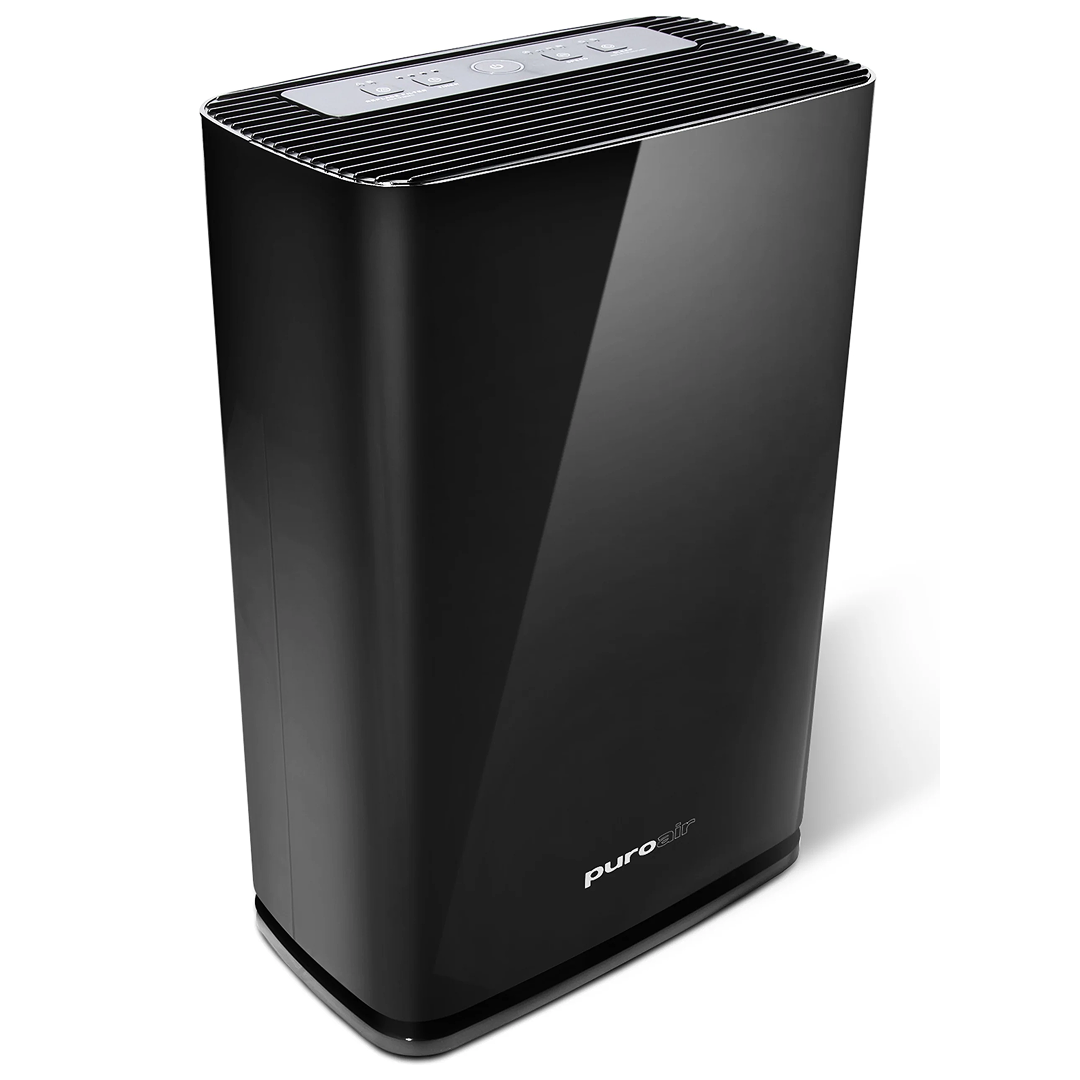
PuroAir 400 — HEPA 14 Air Purifier
- Covers large rooms up to 2,145 sq ft
- World’s first HEPA 14 filter — removes 99.995% of particles
- Auto air quality sensor · whisper-quiet · free shipping
- 100-day money-back guarantee · trusted by 900,000+ customers
We may earn a small commission if you buy through this link — at no extra cost to you.
Morning Hours: The Sweet Spot for Fresh Air Exchange
Early morning, specifically between 6 AM and 9 AM, typically offers the most favorable conditions for apartment ventilation. Outdoor humidity levels are often at their lowest point of the day during these hours, even though you might see dew on grass or cars. That’s because dew forms when air reaches 100% relative humidity at the surface temperature, but the actual moisture content (absolute humidity) in the air is usually lower than it will be later in the day.
During morning ventilation, you’re also catching your apartment before internal humidity sources ramp up. Overnight, your indoor relative humidity typically rises by 5-15% due to breathing, reduced air movement, and cooler temperatures. Opening windows during these morning hours allows you to exhaust this accumulated moisture while bringing in drier outdoor air. Most apartments will achieve optimal air exchange within 15-30 minutes of cross-ventilation during morning hours, compared to 45-60 minutes needed during less favorable times.

PuroAir 240 — HEPA Air Purifier
- Ideal for bedrooms and rooms up to 240 sq ft
- Captures 99.9% of airborne pollutants including mold spores
- Whisper-quiet sleep mode — won’t disturb your rest
- 100-day money-back guarantee · trusted by 900,000+ customers
We may earn a small commission if you buy through this link — at no extra cost to you.
Why Afternoon Ventilation Often Backfires
Afternoon ventilation between 1 PM and 5 PM frequently increases indoor humidity rather than reducing it. As temperatures rise throughout the day, the atmosphere’s capacity to hold moisture increases exponentially — about 7% more water vapor for every 1.8°F temperature increase. This means that even if the relative humidity reads the same as morning (say, 65%), the actual amount of moisture in each cubic foot of air is significantly higher.
Here’s where it gets tricky: when you bring this moisture-laden afternoon air into your cooler apartment, the relative humidity spikes as the air temperature drops to match your indoor conditions. I’ve seen apartments jump from 55% to 75% relative humidity within an hour of afternoon ventilation, especially during summer months. The optimal afternoon strategy depends heavily on your specific climate, but generally, if outdoor temperatures are more than 10°F higher than your indoor temperature, afternoon ventilation will likely increase moisture levels.
- Check outdoor dew point before opening windows — if it’s above 60°F, afternoon ventilation will add moisture to most apartments
- Monitor indoor temperature differential — avoid ventilating when outdoor temperatures exceed indoor by more than 8-10°F
- Use bathroom and kitchen exhaust fans during peak humidity hours instead of opening windows
- Consider brief 5-10 minute ventilation bursts rather than extended afternoon window opening
- Focus afternoon ventilation on north-facing windows which receive less direct solar heating
Evening Ventilation: Timing the Temperature Drop
Evening hours between 7 PM and 10 PM often provide a second optimal window for apartment ventilation, but the timing is more nuanced than morning ventilation. As outdoor temperatures begin dropping, the air’s moisture-holding capacity decreases, effectively lowering the absolute humidity even if relative humidity readings appear stable. The key is catching this transition period before overnight cooling creates condensation risks.
Evening ventilation works particularly well for apartments that have accumulated heat and humidity throughout the day from cooking, showering, or solar gain. However, you’ll want to close windows before outdoor temperatures drop within 5-8°F of your indoor dew point. This prevents the incoming air from becoming saturated as it cools further indoors, which could actually trigger condensation on walls or windows. Most people miss this detail and end up with moisture problems from well-intentioned evening ventilation.

PuroAir HVAC Mega Filter — MERV 13
- Captures dust mites, mold spores and allergens
- MERV 13 + activated carbon — dual filtration
- Designed for optimal airflow · fits any HVAC system
- Free shipping always · easy DIY installation
We may earn a small commission if you buy through this link — at no extra cost to you.
Seasonal and Weather-Based Timing Adjustments
Your ventilation timing needs to shift significantly based on seasonal patterns and immediate weather conditions. During winter months, the optimal ventilation window narrows considerably — often just 30-60 minutes in mid-morning when any solar heating has begun but before indoor heating systems create large temperature differentials. Summer timing extends the favorable morning window but requires more caution during afternoon and evening hours.
Weather patterns add another layer of complexity that many apartment dwellers overlook. The 24-48 hours following rain often create challenging ventilation conditions because outdoor humidity remains elevated even as temperatures normalize. Conversely, high-pressure systems typically provide excellent ventilation opportunities throughout more of the day. Windy conditions above 15 mph can enhance ventilation effectiveness but may require shorter ventilation periods to avoid over-exchanging air.
| Season | Optimal Time | Duration | Key Considerations |
|---|---|---|---|
| Spring | 7-10 AM, 6-8 PM | 20-40 minutes | Watch for pollen, variable weather |
| Summer | 6-8 AM, 8-10 PM | 15-30 minutes | Avoid midday heat, check dew point |
| Fall | 8-11 AM, 5-7 PM | 30-45 minutes | Longer windows, stable conditions |
| Winter | 9-11 AM only | 10-20 minutes | Brief periods, avoid heat loss |
PuroAir 240
HEPA Air Purifier
Best for
Bedrooms, nurseries, small offices
PuroAir 400
HEPA 14 Air Purifier
Best for
Living rooms, mold & allergy sufferers
We may earn a small commission if you buy through these links — at no extra cost to you.
Activity-Based Ventilation Timing
The best time to ventilate your apartment also depends heavily on your daily activities and their moisture output. Cooking generates 2-4 pounds of water vapor per meal, showering adds another 0.5-1.5 pounds, and even breathing contributes about 1-2 pounds per person daily. Timing your ventilation to occur just after these high-moisture activities maximizes the humidity reduction benefit while the indoor air still contains elevated moisture levels.
Strategic activity-based timing means ventilating within 30-60 minutes after cooking or showering, when indoor humidity spikes are still present but before the moisture has had time to absorb into building materials or furnishings. This approach can be more effective than scheduled ventilation because you’re targeting actual moisture loads rather than relying on general timing principles.
- Ventilate immediately after long showers or baths while steam is still visible
- Open windows within 1-2 hours after cooking meals that involve boiling, steaming, or frying
- Time ventilation for 30 minutes after doing laundry, especially if drying indoors
- Coordinate morning ventilation with getting dressed to remove overnight humidity accumulation
- Ventilate before going to bed if your bedroom tends to feel stuffy or humid overnight
Pro-Tip: Use a simple indoor/outdoor thermometer with humidity readings to identify your apartment’s specific optimal ventilation windows — they can vary by 2-3 hours from general guidelines depending on your building’s orientation, insulation, and local microclimate.
“Most people ventilate based on comfort rather than atmospheric conditions, which often means they’re inadvertently making their humidity problems worse. The difference between morning and afternoon air moisture content can be 40-60% even at identical relative humidity readings.”
Dr. Michael Torres, Building Science Researcher
Effective apartment ventilation timing revolves around understanding when outdoor air contains less absolute moisture than your indoor air, regardless of relative humidity readings. Morning hours typically offer the most reliable ventilation opportunities, while afternoon timing requires careful attention to temperature and dew point differentials. Start with 15-30 minutes of cross-ventilation during early morning hours and adjust based on your specific results — you should notice improved air freshness without increased stuffiness or condensation. Master this timing, and you’ll transform your apartment’s air quality while avoiding the humidity traps that catch most well-meaning ventilation efforts.
Frequently Asked Questions
What’s the best time to ventilate apartment in summer?
Early morning between 6-8 AM and late evening after 8 PM are ideal for summer ventilation. During these cooler hours, you’ll bring in fresh air without heating up your apartment. Avoid midday ventilation when outdoor temperatures peak above 80°F.
How long should you ventilate an apartment each day?
Ventilate your apartment for 15-30 minutes at least twice daily to maintain healthy indoor air quality. Open windows wide rather than just cracking them – this creates better cross-ventilation and exchanges stale air more effectively. In winter, 5-10 minutes per session is usually enough to prevent heat loss.
Should you ventilate apartment in winter morning or evening?
Morning ventilation works best in winter, ideally between 10 AM-2 PM when outdoor temperatures are warmest. You’ll lose less heat while still getting fresh air circulation. Evening ventilation in winter can make your heating system work harder overnight.
When should you not ventilate your apartment?
Don’t ventilate during peak pollen hours (typically 10 AM-3 PM) if you have allergies, or when air quality index exceeds 100. Also avoid ventilating during heavy rain, strong winds above 25 mph, or when outdoor pollution is visible. Rush hour traffic periods can bring in more exhaust fumes.
What’s the best time to ventilate apartment for humidity control?
Ventilate when outdoor humidity is lower than indoor levels – typically mid-morning to early afternoon when the sun has dried morning dew. If your indoor humidity exceeds 60%, open windows when outdoor humidity drops below 50%. Use a hygrometer to track both indoor and outdoor moisture levels.